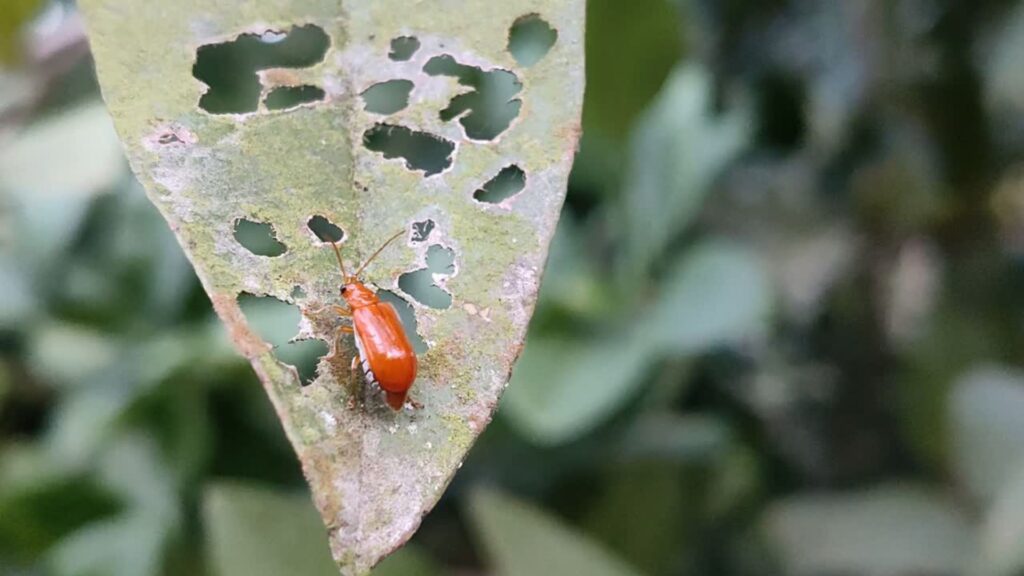
Pest identification is crucial for maintaining a healthy living environment, as early detection can prevent a small problem from escalating into a major infestation. Recognizing infestation signs, such as unusual droppings, gnaw marks, or nests, is the first step toward effective pest management. For instance, droppings can vary in size and shape depending on the pest, providing valuable clues for identification. By understanding these indicators, homeowners can act swiftly to protect their property and well-being, thereby minimizing potential damage and health risks.
In this article, we will delve into the common signs of pest infestations and discuss practical intervention methods to address them. Furthermore, we will explore various strategies for effective pest identification, allowing you to distinguish between harmless critters and those that pose significant risks. Additionally, we will highlight the importance of regular inspections and preventive measures. By the end, you will be equipped with the knowledge to tackle any pest-related challenges that may arise, ensuring your space remains safe and pest-free.
Understanding Pest Identification: The First Step in Prevention
Understanding pest identification is essential for any homeowner aiming to maintain a comfortable and safe environment. By recognizing common pests and their specific characteristics, you can intervene before a minor issue escalates into a full-blown infestation. Early detection hinges on your ability to spot infestation signs, which may include unusual noises, droppings, or nests in and around your home. For example, the presence of small, dark droppings could indicate a rodent problem, while the discovery of tiny holes in food packaging might suggest pantry pests. Thus, taking the time to learn about these pests can save you time, money, and stress in the long run, ultimately contributing to a healthier living space.
Moreover, understanding the behavior and habits of pests can further enhance your ability to identify them. For instance, knowing that certain pests are more active during specific times of the day can help you monitor your home effectively. Additionally, familiarizing yourself with the seasonal patterns of pests can prepare you for potential invasions. Consequently, being proactive in pest identification not only aids in early intervention but also empowers homeowners to implement preventive measures that can deter pests from entering their homes in the first place.
Common Household Pests
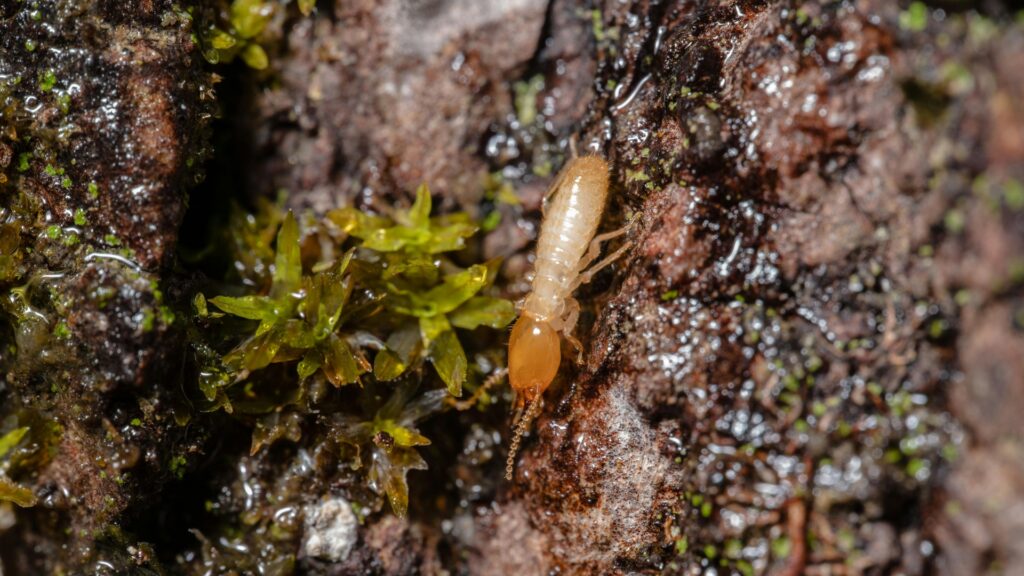
Numerous household pests can invade your living space, each with unique characteristics. For instance, ants often march in a line, searching for food, while cockroaches might scurry away when exposed to light. Rodents like mice and rats can cause significant damage, often leaving gnaw marks or shredded materials in their wake. Similarly, termites can silently destroy wooden structures, making early detection vital. Each of these pests has distinct traits that can aid in their identification. Therefore, familiarize yourself with these characteristics, such as the size, shape, and color of common pests, to effectively manage potential infestations.
Signs of Pest Infestation
Recognizing infestation signs is a crucial step in pest identification. Look for droppings, which can vary in size and shape depending on the pest; for example, mouse droppings are small and pellet-like, while rat droppings are larger and pointed at the ends. Additionally, check for gnaw marks on food packaging and wooden surfaces. Unusual sounds, such as scratching or scurrying, particularly at night, can also indicate a problem. If you notice any of these signs, take immediate action, as timely intervention can prevent further damage. Furthermore, consider inspecting hidden areas, such as attics and basements, where pests often hide. For more in-depth information, refer to this comprehensive guide on identifying garden pests.
Lastly, for those looking for research-backed strategies in pest management, consider checking out Pest Identification | Colorado State University Extension. By staying informed and vigilant, you can protect your home from unwanted pests effectively.
Signs of Pest Infestation: What to Look For
Recognizing the signs of pest infestation is essential for effective pest management. Early detection enables homeowners to address potential problems before they escalate into significant issues. By identifying both visual and behavioral signs of common pests, you can take timely action to protect your property. For instance, observing droppings or unusual markings can alert you to a rodent problem, while the presence of discarded wings might indicate a termite issue. Understanding these indicators not only aids in immediate intervention but also helps prevent future infestations.
Visual Indicators of Infestation
Visual signs are often the most noticeable indicators of pest infestations. These signs can include droppings, gnaw marks, and physical evidence such as nests and shed skins. For example, ants may leave visible trails, whereas cockroaches can be spotted during the day or by their egg cases. Moreover, the destruction of food packaging or furniture can signify the presence of pests like mice or termites. Paying attention to these visual clues is vital, as they provide direct evidence of an infestation. Therefore, it’s crucial to regularly inspect your home for these indicators to facilitate early detection.
Behavioral Signs to Watch For
Behavioral signs can also indicate pest activity and often accompany visual indicators. For example, you may hear scratching noises in the walls, suggesting that rodents are on the move. Additionally, if you notice an unusual increase in nighttime activity, it could be a sign of nocturnal pests like raccoons or certain insects. Pests may also exhibit specific behaviors, such as frequent visits to food sources or unusual nesting patterns. By observing these behavioral signs alongside visual clues, you can gain a clearer picture of the situation. Consequently, this dual approach aids in the timely identification and management of pest problems.
| Pest Type | Visual Signs | Behavioral Signs |
|---|---|---|
| Rodents | Droppings, gnaw marks | Nocturnal activity, scratching noises |
| Cockroaches | Egg cases, dead bodies | Fast movement, hiding in dark areas |
| Ants | Visible trails, nests | Collective foraging behavior |
| Termites | Mud tubes, damaged wood | Swarming behavior in spring |
By understanding both visual and behavioral signs, you can enhance your ability to spot infestation signs early. If you suspect pest damage, consider consulting the guide on pest damage identification for more information. This proactive approach can save you from costly repairs and health risks associated with pest infestations.
Effective Intervention Methods for Pest Control
Effective intervention methods for pest control are essential for maintaining a safe and healthy living environment. When faced with a pest problem, homeowners can choose from various strategies that are both effective and practical. This section will cover DIY pest control techniques and introduce natural pest deterrents that can help manage common infestations. By employing these methods, you can take control of your pest issues, ensuring your home remains a comfortable space.
DIY Pest Control Techniques
Many homeowners prefer DIY pest control techniques due to their accessibility and cost-effectiveness. For instance, traps can be set for rodents using simple materials like peanut butter to lure them in. Additionally, sealing entry points, such as cracks and gaps in walls, can significantly reduce the chances of pests entering your home. Likewise, maintaining cleanliness by regularly cleaning food spills and storing food in sealed containers can deter pests. To illustrate, a clean kitchen is less likely to attract ants and cockroaches, making it a simple yet effective intervention method.
Furthermore, using homemade sprays made from water and vinegar can help repel insects like spiders and ants. This natural solution is particularly appealing because it is safe for both children and pets. However, it is essential to note that while DIY methods can be effective, they may not eliminate larger infestations entirely. Therefore, continuous monitoring and adjustments might be necessary for optimal results.
Natural Pest Deterrents
Natural pest deterrents offer an eco-friendly alternative to chemical solutions, appealing to those concerned about environmental impact. Essential oils, such as peppermint or tea tree oil, are particularly effective for repelling common pests. For example, a mixture of water and a few drops of peppermint oil can deter spiders and mosquitoes. Furthermore, planting herbs like basil and lavender around your home can naturally repel insects, thus enhancing your garden’s beauty while serving a dual purpose.
Moreover, using diatomaceous earth around entry points can create a barrier against crawling insects. This natural powder is safe for humans and pets, yet lethal to insects due to its abrasive properties. Consequently, utilizing natural pest deterrents not only helps in controlling pests but also promotes a healthier living environment. For additional information on pest life stages and identification, check out Pest Identification – insect – Extension Entomology – Purdue University. By combining these methods, you can effectively manage pest problems while maintaining a commitment to natural and sustainable practices.
Preventive Measures: Keeping Pests at Bay
Preventive measures play a vital role in effective pest management. By implementing strategies that deter pests before they become a problem, homeowners can save time, money, and stress. First, it’s essential to maintain a clean environment, as clutter and food residue attract pests. Regularly cleaning kitchen surfaces, sealing food in airtight containers, and taking out the trash frequently can significantly reduce the likelihood of an infestation. For example, a clean kitchen not only keeps pests away but also promotes better hygiene. Additionally, ensuring that outdoor areas are tidy, such as trimming overgrown vegetation and removing standing water, can further minimize pest attraction.
Moreover, the use of proper storage techniques can also be a game changer. Storing food in sealed containers and keeping pantry items elevated off the ground can deter pests from accessing these food sources. Similarly, regularly checking and maintaining your home’s exterior can help prevent pests from finding entry points.
Routine Inspections
Conducting routine inspections is another crucial preventive measure. By regularly checking your home for signs of pests, you can identify potential problems early. Look for cracks in walls, gaps around windows, and signs of water leakage, as these can serve as entry points for pests. Furthermore, inspect areas like basements, attics, and garages where pests may take shelter. If you notice any signs of infestation, such as droppings or nests, address the issue immediately to prevent further spread. Therefore, proactive inspections can save you from a larger, more costly problem down the line. Additionally, consider enlisting the help of a pest control professional for thorough inspections, especially in hard-to-reach areas.
Home Remedies for Pest Prevention
In addition to cleaning and inspections, consider using home remedies for pest prevention. Many natural solutions can deter pests without the use of harsh chemicals. For instance, a mixture of vinegar and water can be an effective cleaner that repels ants and other insects. Similarly, planting herbs like mint or rosemary in your garden can serve as a natural deterrent. Moreover, essential oils like peppermint or tea tree oil can be mixed with water and sprayed around entry points to keep pests at bay. To illustrate, using diatomaceous earth in your garden can help control pests like slugs and beetles. Implementing these home remedies not only supports pest management but also creates a healthier environment for you and your family. Furthermore, educating yourself about seasonal pest trends can help you prepare and take preventive action before infestations occur.
Case Studies on Successful Pest Management Strategies
Case studies offer valuable insights into successful pest management strategies, illustrating how various intervention methods can effectively control pest populations in different environments. By analyzing real-life scenarios, we can learn from the experiences of others and apply these lessons to our pest control efforts. This section will explore two distinct case studies: one focusing on urban pest control and the other on rural pest management. Understanding these strategies can help homeowners and pest control professionals alike develop tailored approaches that address specific pest issues while promoting sustainable practices. By examining these cases, we can identify effective techniques and best practices that can be replicated in similar situations.
Case Study 1: Urban Pest Control
In urban areas, pest management often faces unique challenges due to high population density and limited space. One successful case involved a multi-story apartment complex that struggled with a persistent cockroach infestation. The management team implemented an integrated pest management (IPM) approach, which included thorough inspections, targeted baiting, and community awareness initiatives. Additionally, they organized workshops to educate residents about sanitation practices that could minimize attractants. Consequently, the infestation was significantly reduced within months, leading to a healthier living environment for residents. This case underscores the importance of community involvement and consistent monitoring in urban settings, as well as the need for ongoing education to sustain pest control efforts.
Case Study 2: Rural Pest Management
Rural areas present different pest management challenges, particularly due to agricultural activities. One notable case involved a family-owned farm facing severe issues with aphids damaging crops. The farm adopted a combination of biological control methods, such as introducing ladybugs to consume aphids, and organic pesticides that were safe for the environment. Furthermore, they implemented crop rotation and intercropping strategies to disrupt aphid life cycles. As a result, the farm saw a remarkable recovery in crop health and yield. This strategy not only mitigated the pest problem but also aligned with the farm’s commitment to sustainable practices, demonstrating the effectiveness of eco-friendly intervention methods. This case illustrates how integrating multiple strategies can lead to long-term success in pest management.
The table below summarizes key findings from these case studies, highlighting the effectiveness of various intervention methods in different settings.
| Case Study | Intervention Methods | Key Outcomes |
|---|---|---|
| Urban Pest Control | Integrated Pest Management (IPM) | Significant reduction in cockroach population; increased resident satisfaction |
| Rural Pest Management | Biological control & organic pesticides | Improved crop health and yield; sustainable farming practices adopted |
These case studies illustrate that successful pest management strategies can vary widely based on the environment and the specific pest involved. For urban settings, community engagement and IPM stand out as crucial factors. In contrast, rural pest management benefits from combining biological and organic methods, providing an effective way to protect crops while maintaining ecological balance. Thus, understanding these diverse approaches can enhance our pest management efforts in any context.
Moreover, the lessons learned from these case studies can be applied to various other situations, encouraging adaptability and innovation in pest control strategies. By fostering a culture of collaboration among residents in urban areas and promoting sustainable agricultural practices in rural settings, we can create a more effective and environmentally friendly approach to pest management. For further insights into pest identification and resources, consider exploring Pest Identification – Resources & Guidance from USDA APHIS. This resource provides valuable information that can aid in recognizing pests effectively, contributing to more successful management strategies in both urban and rural settings.
Bringing It All Together: Your Action Plan Against Pests
Ultimately, your action plan against pests hinges on effective pest identification and proactive infestation prevention strategies. Recognizing the signs of an infestation early—such as droppings, nests, or unusual noises—empowers you to take swift action before a minor issue escalates into a significant problem. For instance, the presence of droppings can indicate specific pests, while nests may reveal their breeding grounds. By educating yourself on common household pests, you can differentiate between benign creatures and those that threaten your home’s integrity, thus allowing for timely interventions.
Moreover, adopting a systematic approach will enhance your pest management efforts. Regular inspections, maintaining cleanliness, and sealing entry points can significantly reduce the likelihood of an infestation. For example, ensuring that food is stored in airtight containers can deter pantry pests, while caulking gaps around windows and doors can prevent rodents from entering. Therefore, integrating these practices into your routine will not only safeguard your living environment but also provide peace of mind.
Finally, stay vigilant and proactive. Make pest identification a priority, and don’t hesitate to seek professional help if needed. Regularly updating your knowledge about pest behaviors and seasonal trends can further enhance your preparedness. By taking these steps, you ensure a healthier, pest-free home for you and your family. Embrace this action plan and empower yourself to tackle any pest-related challenges that may arise with confidence, knowing that you are equipped to maintain a safe and comfortable living space.