Routine care plays a crucial role in effective pest prevention and disease prevention, ensuring that your environment remains healthy and thriving. By implementing systematic maintenance practices, you can significantly reduce the likelihood of infestations and outbreaks, which can cause both damage and distress. This proactive approach not only protects your home or garden but also promotes a sustainable ecosystem, making it a win-win for both you and the environment. For instance, regular inspections can help identify potential issues before they escalate, allowing for timely interventions.
In this comprehensive guide, we will explore various strategies for routine care that contribute to pest and disease prevention. Furthermore, we will delve into specific techniques, tips, and best practices that can be easily integrated into your daily or seasonal maintenance routines. Additionally, you will discover the benefits of being proactive, including cost savings and peace of mind, as well as how a little effort can go a long way in safeguarding your space. By the end of this guide, you will be well-equipped with the knowledge necessary to create a pest-free and healthy environment, ensuring that your efforts lead to long-lasting results.
Understanding Pest Prevention: Effective Strategies
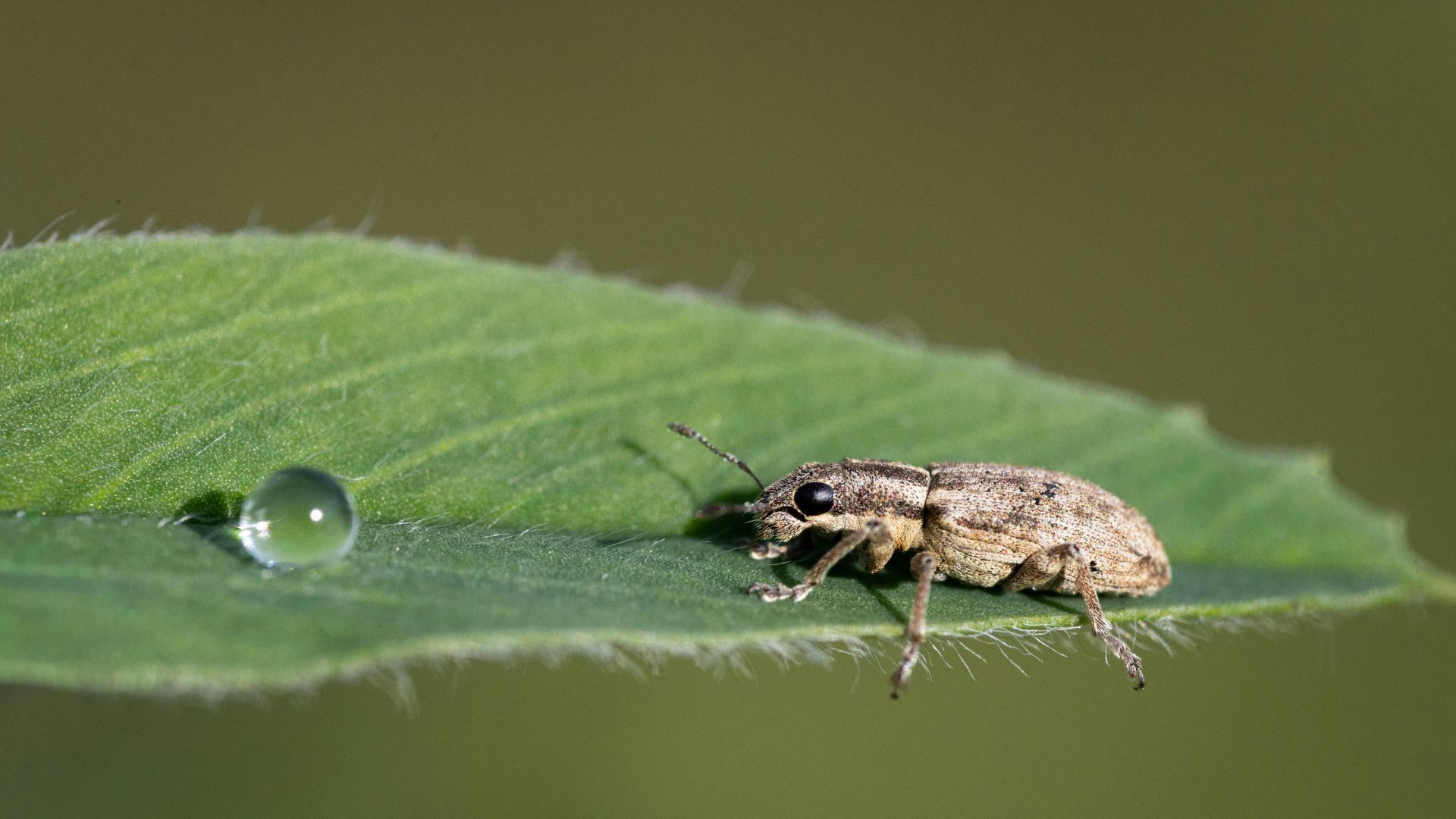
Understanding pest prevention is essential for maintaining a healthy garden. By recognizing common pests and implementing effective strategies, you can protect your plants from potential damage. First, it’s important to identify the pests that frequently invade gardens. For example, aphids, spider mites, and whiteflies are notorious for damaging plants by sucking their sap. Additionally, slugs and snails can cause significant harm by feeding on leaves and stems. Therefore, knowing these pests and their behaviors allows you to take proactive measures. Moreover, understanding the life cycles of these pests can further enhance your prevention strategies, as it enables you to target them at their most vulnerable stages.
Common pests can have a profound impact on your garden’s health. Aphids can reproduce rapidly and weaken plants, while spider mites can cause leaf discoloration and even plant death. Furthermore, slugs and snails tend to feed at night, leaving behind telltale slime trails. Consequently, identifying these pests early is crucial for effective pest prevention. With awareness, you can monitor your garden closely and respond swiftly to any signs of infestation. Additionally, employing companion planting techniques can deter pests naturally, as certain plants repel specific insects, thus enhancing your garden’s resilience.
Common Pests and Their Impact
Common pests can have a profound impact on your garden’s health. Aphids can reproduce rapidly and weaken plants, while spider mites can cause leaf discoloration and even plant death. Furthermore, slugs and snails tend to feed at night, leaving behind telltale slime trails. Consequently, identifying these pests early is crucial for effective pest prevention. With awareness, you can monitor your garden closely and respond swiftly to any signs of infestation. Additionally, employing companion planting techniques can deter pests naturally, as certain plants repel specific insects, thus enhancing your garden’s resilience.
Effective Organic Pest Control Methods
Organic pest control methods provide a sustainable approach to managing pests without harmful chemicals. For instance, introducing beneficial insects like ladybugs can naturally reduce aphid populations. Additionally, using neem oil is effective in repelling various pests while being safe for plants. To illustrate, you can create homemade sprays with ingredients like garlic or chili peppers that deter unwanted visitors. Moreover, maintaining healthy soil and diverse plant life fosters a balanced ecosystem, which can help control pest populations. Furthermore, regular crop rotation can disrupt pest life cycles, making it harder for them to establish themselves. For more details on implementing these techniques, check out natural pest prevention strategies.
Incorporating these organic methods not only helps in pest prevention but also contributes to the overall health of your garden. According to 6 Smart Ways to Prevent Pests & Disease, maintaining cleanliness and monitoring for early signs of pests are crucial steps. Consequently, with diligence and the right strategies, you can create a thriving garden free from harmful pests. By integrating these practices into your routine care, you not only safeguard your plants but also contribute to a healthier ecosystem overall.
Routine Care Checklist for Disease Prevention
Routine care is vital for disease prevention, and having a clear checklist can streamline your efforts. By distinguishing between weekly and monthly tasks, you can effectively manage your maintenance routine without feeling overwhelmed. This proactive approach not only helps in preventing diseases but also ensures a thriving environment for your plants or home. A well-structured routine fosters a sense of responsibility and awareness, allowing you to stay ahead of potential issues before they escalate into serious problems.
To assist you in your routine care, we’ve compiled a table that outlines the essential weekly and monthly tasks. These tasks are designed to keep your space healthy and mitigate risks associated with pest infestations and disease outbreaks. By staying consistent with these practices, you’re more likely to create a robust defense against potential threats. Furthermore, integrating these tasks into your schedule can lead to a more enjoyable gardening or home maintenance experience, as you will witness the positive effects of your efforts over time.
Weekly Maintenance Tasks
Weekly tasks are crucial for immediate disease prevention. They focus on monitoring your environment closely, allowing you to catch issues early. For instance, regularly inspecting plants for signs of pests or disease can help you take action promptly. Moreover, cleaning up debris and fallen leaves not only beautifies your space but also removes potential breeding grounds for pests. Additionally, maintaining proper watering schedules ensures your plants remain healthy and resilient against disease. To illustrate, overwatering can lead to root rot, while underwatering can stress plants, making them more susceptible to diseases. Therefore, striking a balance is essential for optimal plant health.
Monthly Maintenance Tasks
On a monthly basis, you can focus on more comprehensive preventative measures. This includes deep cleaning areas prone to pest activity and conducting thorough inspections of plants or structures. Additionally, you might want to rotate crops or plants in your garden to prevent soil depletion and reduce disease risk. Furthermore, applying organic fertilizers and pest deterrents can enhance the overall health of your plants, promoting resilience against diseases. Consequently, these monthly tasks play a significant role in long-term disease prevention. For example, rotating crops not only helps maintain soil nutrients but also disrupts pest life cycles, making it harder for them to establish themselves.
| Task Type | Weekly Tasks | Monthly Tasks |
|---|---|---|
| Inspection | Check plants for pests and disease signs | Conduct a deep inspection of all plants |
| Cleaning | Remove debris and fallen leaves | Clean gutters and drainage areas |
| Watering | Maintain regular watering schedule | Assess soil health and adjust nutrients |
| Crop Rotation | Not applicable | Rotate crops to maintain soil health |
By adhering to this checklist, you can effectively implement effective disease prevention techniques in your routine care. This structured approach not only protects your plants but also fosters a healthy ecosystem, ensuring long-term success in disease prevention. Ultimately, a consistent routine not only safeguards your environment but also enhances your overall gardening experience, making it more rewarding and fulfilling.
Seasonal Maintenance for Pest Control
Seasonal maintenance is crucial in pest control, as it allows homeowners to take proactive steps to minimize pest infestations throughout the year. By adapting your strategies to the changing seasons, you can effectively safeguard your home and garden against unwanted visitors. Each season presents unique challenges and opportunities for pest management, making it essential to align your maintenance practices accordingly. For example, understanding the life cycles of various pests can help you anticipate their behavior and implement timely interventions. This proactive approach not only protects your living space but also contributes to a healthier environment.
Spring and Summer Strategies
During spring and summer, pests become more active, necessitating vigilant pest control measures. First, inspect your home’s exterior for cracks and gaps, which can serve as entry points for insects and rodents. Additionally, consider planting pest-resistant varieties in your garden, such as marigolds or basil, which can deter common pests. Furthermore, regularly maintain your landscaping by trimming overgrown plants and removing debris that can provide hiding spots for pests. To illustrate, you might set traps for ants and monitor their activity, allowing you to address any potential infestations early on. Moreover, consider implementing natural repellents, such as diatomaceous earth, which can be sprinkled in areas where pests are likely to enter. This not only helps in controlling the pest population but also minimizes the use of chemical pesticides, making it a safer option for your family and pets.
Fall and Winter Preparations
As temperatures drop in fall and winter, pests often seek shelter indoors, making this a vital time for preventative measures. Consequently, seal any openings around windows, doors, and vents to keep pests out. Additionally, clean gutters and downspouts to prevent standing water, which attracts mosquitoes and other unwanted insects. You should also store firewood away from your home to reduce the risk of attracting termites and rodents. Moreover, consider scheduling a professional pest control inspection to identify potential issues before they escalate. This is particularly important as some pests, like rodents, can reproduce quickly, leading to larger infestations if not addressed promptly. For more details, check out Everyday Pest Prevention Tips – PestWorld.org for additional insights into maintaining a pest-free environment during these colder months.
By implementing these seasonal strategies, you can create a more effective pest control plan, ensuring your living space remains comfortable and protected all year long. Additionally, staying informed about the specific pests that thrive during each season can further enhance your prevention efforts, allowing you to adapt your strategies as needed.
Comparing Pest and Disease Management Techniques
When it comes to managing pests and diseases, choosing the right technique is crucial. Both traditional and organic methods offer distinct advantages and disadvantages, impacting disease management and pest prevention strategies. Understanding these differences can help you make informed decisions tailored to your specific needs. Moreover, the choice between these methods can significantly influence not only the immediate results but also the long-term health of your garden or home environment. Let’s explore the two approaches and see how they stack up against each other.
Traditional vs. Organic Methods
Traditional pest management techniques typically involve synthetic pesticides and fungicides to control pests and diseases. These methods can provide quick results, effectively eliminating infestations and outbreaks. However, they often come with environmental concerns, such as soil and water contamination, and potential health risks for humans and beneficial organisms. For instance, the use of certain chemicals can lead to the decline of pollinator populations, which are essential for plant reproduction. On the other hand, organic methods utilize natural solutions such as beneficial insects, plant extracts, and biological controls. While these techniques may require more time and patience to see results, they generally promote a healthier ecosystem and reduce chemical exposure. Additionally, organic practices often enhance soil health and biodiversity, contributing to a more resilient environment.
| Management Technique | Advantages | Disadvantages |
|---|---|---|
| Traditional | Quick results; effective control | Environmental concerns; health risks |
| Organic | Eco-friendly; promotes biodiversity | Slower results; potential for higher costs |
Evaluating Effectiveness
Evaluating the effectiveness of each method depends on several factors, including the severity of the pest problem, the type of plants involved, and the specific environment. Traditional methods may be more effective in severe infestations where immediate action is necessary. For example, in cases of widespread aphid infestations, a quick application of a synthetic pesticide may be warranted. Conversely, organic practices excel in long-term sustainability and enhancing the natural balance of the ecosystem. They often involve integrated pest management (IPM) strategies, which combine cultural, mechanical, and biological controls to minimize pest impacts. Therefore, integrating both approaches could yield the best results for pest prevention and disease management, allowing for immediate control while fostering long-term ecological health.
In summary, selecting the appropriate pest and disease management technique requires careful consideration of your goals, environmental impact, and effectiveness. By understanding the pros and cons of traditional versus organic methods, you can create a tailored strategy that supports both immediate and long-term health for your garden or home. Ultimately, the best approach may involve a combination of both techniques, leveraging the strengths of each to create a comprehensive pest and disease management plan that aligns with your values and environmental considerations.
Success Stories: Effective Pest Management in Action
Effective pest management can lead to stunning success stories in both gardening and agricultural settings. These real-life examples showcase how strategic techniques can significantly reduce pest-related issues while promoting healthy plant growth. By employing routine care practices, individuals and organizations can achieve remarkable outcomes, demonstrating the power of proactive approaches in pest control. Furthermore, these success stories not only highlight effective methods but also inspire others to adopt similar practices, reinforcing the idea that sustainable pest management is within reach for everyone.
Case Study 1: Organic Gardening Success
One inspiring example is a community garden in Portland, Oregon, where organic gardening techniques effectively managed pests. The gardeners implemented companion planting, pairing marigolds with vegetables to deter aphids and other harmful insects. Moreover, they introduced beneficial insects like ladybugs to naturally control aphid populations. As a result, they experienced a dramatic decrease in pest infestations, leading to healthier plants and a bountiful harvest. This success story highlights how simple, natural methods can thrive when routine care is prioritized. Additionally, the community’s commitment to organic practices fostered a sense of camaraderie, as members shared tips and celebrated their collective achievements, further enhancing the garden’s resilience against pests.
Case Study 2: Integrated Pest Management
Another impressive case comes from a commercial farm in California that adopted integrated pest management (IPM) strategies. The farm began monitoring pest populations regularly, allowing them to apply targeted treatments only when necessary. For example, they utilized pheromone traps to assess pest levels and deployed eco-friendly pesticides when thresholds were reached. Consequently, the farm reduced chemical usage by 50%, leading to healthier crops and a more sustainable operation. This case illustrates the effectiveness of combining routine care with scientifically-driven pest control measures. Furthermore, the farm’s commitment to IPM not only improved crop yields but also enhanced the local ecosystem, as beneficial insects flourished alongside the crops.
In both cases, the emphasis on routine care was pivotal in achieving successful pest management. By being proactive and employing a mix of natural and targeted strategies, these gardeners and farmers not only protected their plants but also contributed to a healthier ecosystem. The lessons learned from these success stories serve as a powerful reminder that with the right approach, effective pest control is entirely attainable. For more insights on integrated pest management strategies, you can learn more from Managing Pests & Disease. Ultimately, these narratives inspire others to adopt similar practices, reinforcing the importance of routine care in pest prevention and promoting a sustainable future for gardening and agriculture.
Bringing It All Together: Your Pest and Disease Prevention Plan
To summarize, effective pest prevention hinges on the implementation of a consistent routine care plan. By prioritizing maintenance, you not only reduce the risk of pest infestations and disease outbreaks but also foster a healthier environment around your home or garden. Remember, proactive measures like regular inspections, proper sanitation, and strategic planting can make all the difference. These practices not only deter pests but also promote the growth of healthy plants, creating a balanced ecosystem.
Moreover, this guide has equipped you with practical strategies and tips designed to seamlessly fit into your daily or seasonal routines. By adopting these practices, you can enjoy both cost savings and peace of mind, knowing that you’re taking significant steps toward safeguarding your space. Clearly, a little effort goes a long way in pest prevention. For instance, setting up a regular schedule for checking plants and cleaning garden tools can prevent the introduction of pests.
Consequently, I encourage you to take action today. Start implementing routine care practices that will bolster your pest and disease prevention efforts. Additionally, consider involving family members in these tasks, as it can foster a sense of community and shared responsibility. Lastly, as you cultivate this proactive mindset, you’ll not only protect your environment but also contribute positively to the ecosystem. Embrace these strategies, and watch your garden flourish without the threat of unwanted pests, ultimately leading to a vibrant and thriving outdoor space.