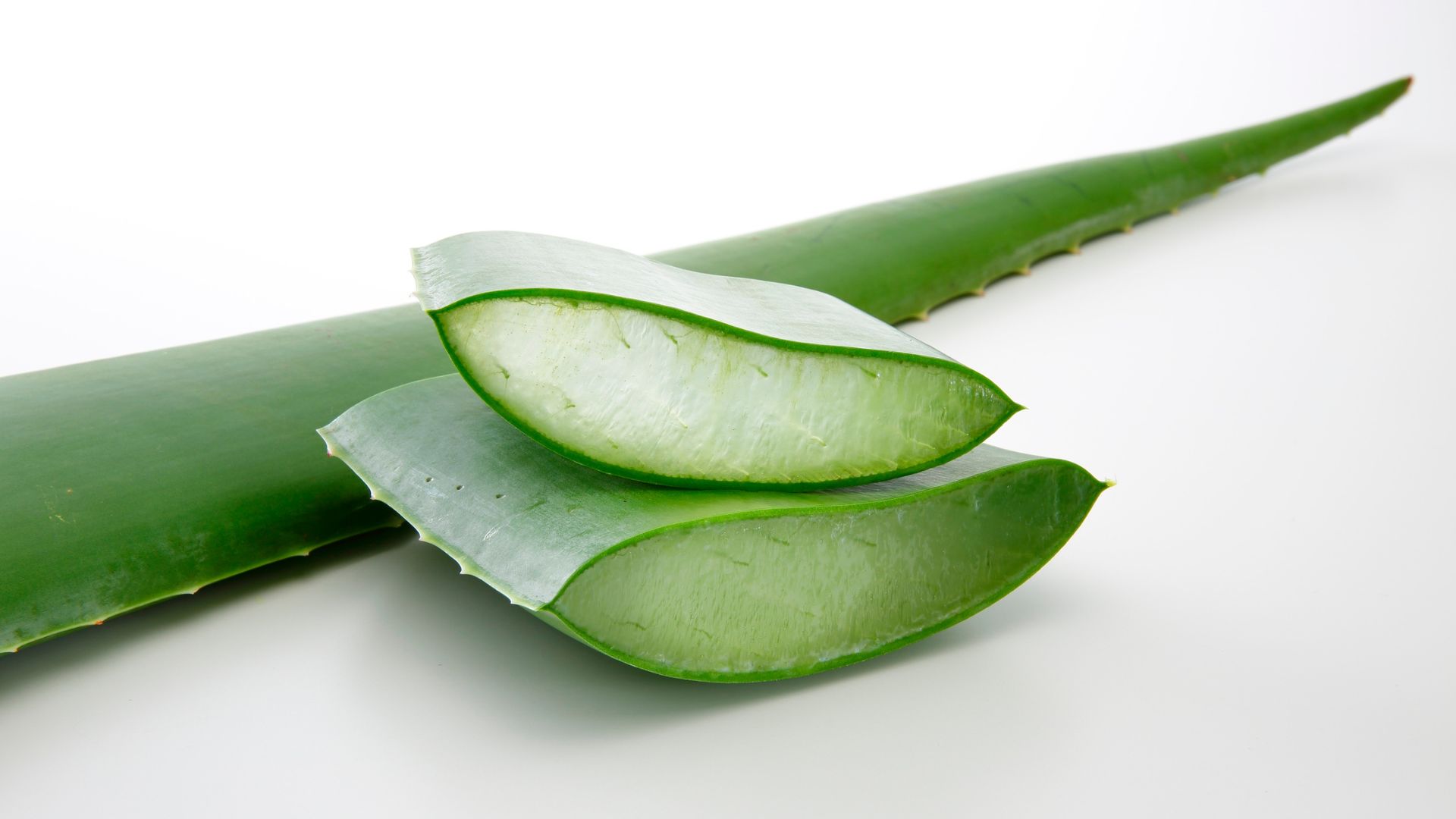
If you’re looking to enhance your indoor space with a touch of greenery, learning how to plant aloe vera is an excellent choice. This resilient succulent not only adds beauty but also offers numerous health benefits, making it a popular option for container gardening enthusiasts. Moreover, with its minimal care requirements and adaptability, aloe vera is perfect for both seasoned gardeners and beginners alike.
In this article, we will guide you through the essential steps for successfully planting aloe vera in containers. First, we’ll cover the best potting mix and container options to ensure proper drainage. Next, we’ll explore the ideal watering techniques and sunlight requirements to keep your aloe thriving. Additionally, we’ll provide tips on repotting and maintaining your plant, so you can enjoy its lush growth for many years to come.
Understanding Aloe Vera: Types and Care
Aloe vera is a versatile and attractive plant that comes in several varieties, each with unique characteristics and care requirements. Understanding these types can significantly enhance your aloe vera care routine, ensuring your indoor plants thrive. The most common variety is Aloe barbadensis miller, known for its medicinal properties. However, other types, such as Aloe aristata and Aloe brevifolia, also make beautiful indoor additions, each featuring distinct leaf shapes and colorations. For instance, Aloe aristata has rosette-forming leaves adorned with white markings, providing a striking appearance.
Popular Aloe Vera Varieties
When selecting an aloe vera type for your home, consider how each variety adapts to indoor environments. Aloe barbadensis miller, often referred to as the standard aloe, grows well in various conditions, making it ideal for beginners. Conversely, Aloe polyphylla, known as the spiral aloe, requires more specific care due to its unique spiral growth pattern, which can be more challenging to maintain. Additionally, Aloe striata, or the coral aloe, showcases vibrant colors that can enliven any indoor space. Each variety has its own light and water needs; therefore, familiarize yourself with these specifics to tailor your aloe vera care effectively.
Basic Care Tips for Aloe Vera
To keep your aloe vera healthy, start with the right potting mix—one that drains well, such as a cactus mix. Furthermore, be mindful of watering; allowing the soil to dry out completely between waterings is crucial. Overwatering can lead to root rot, a common issue for succulent plants. Additionally, positioning your aloe in a spot with bright, indirect sunlight is essential for its growth. If you notice the leaves becoming elongated or pale, it may indicate that your plant requires more light. For those looking to enhance their plant care routine, adopting effective daily habits can make a significant difference.
Moreover, fertilizing your aloe during the growing season with a diluted succulent fertilizer can promote robust growth. Keep an eye out for pests like mealybugs and aphids, which can affect your plant’s health. If you encounter any issues, consult comprehensive resources for additional insights. By understanding the types of aloe vera and following these care tips, you’ll create a thriving indoor garden that brings both beauty and benefits to your home.
Choosing the Right Soil Mix for Aloe Vera
Choosing the right soil mix for your aloe vera is crucial for its health and growth. Since aloe vera thrives in arid conditions, selecting a soil mix that promotes drainage is essential. A well-draining soil prevents water accumulation, which can lead to root rot and other issues. Consequently, understanding the various soil options available can help you create the perfect environment for your aloe plant. Furthermore, the right soil mix not only supports the plant’s growth but also contributes to its overall resilience against pests and diseases, ensuring a thriving indoor garden.
Importance of Well-Draining Soil
Well-draining soil is vital for aloe vera, as it mimics the plant’s natural habitat. Aloe vera is native to arid regions, where the soil is typically sandy and loose. Therefore, using a soil mix that allows water to pass through quickly helps prevent the roots from sitting in moisture, which can cause decay. Moreover, a suitable soil mix not only promotes healthy growth but also encourages strong root development. For instance, when roots are well-aerated, they can absorb nutrients more efficiently, leading to a more robust plant. If you’re interested in learning more about potential problems with excess moisture, check out our guide on understanding root rot and soil diseases. Additionally, incorporating organic matter can enhance soil structure, providing a balanced environment for your aloe vera.
Best Soil Mix Recipes
When it comes to creating the ideal soil mix for aloe vera, there are several recipes to consider. Each mix varies in composition but should prioritize drainage. Below is a comparison of different soil mixes that can work well for aloe vera:
| Soil Mix Type | Main Ingredients |
|---|---|
| Commercial Cactus Mix | Pre-packaged mix with sand and perlite |
| DIY Mix 1 | 50% potting soil, 25% sand, 25% perlite |
| DIY Mix 2 | 40% coconut coir, 30% pumice, 30% gravel |
Each of these mixes offers excellent drainage properties, ensuring your aloe vera can flourish. For example, a commercial cactus mix is convenient and effective, providing a ready-to-use solution that often contains essential nutrients. Conversely, DIY options allow you to customize based on available materials, making them a cost-effective choice. Consequently, you can choose the mix that best suits your gardening style and preferences, ensuring that your aloe vera remains healthy and vibrant. Additionally, experimenting with different soil mixes can lead to discovering the optimal blend that enhances growth and vitality, ultimately leading to a more successful container gardening experience.
Step-by-Step Guide: How to Plant Aloe Vera in Containers
To successfully cultivate aloe vera in containers, proper preparation and a clear planting process are essential. This succulent thrives in well-draining soil and requires a suitable container to flourish. Whether you’re a novice or an experienced gardener, following these steps will help you learn how to plant aloe vera in containers effectively. The process not only involves selecting the right materials but also understanding the specific needs of the plant to ensure its long-term health and vitality.
Preparing the Container
First, choosing the right container is crucial for your aloe vera’s health. Opt for a pot made of terracotta or ceramic, as these materials allow the soil to breathe, preventing root rot. Terracotta pots, in particular, are porous and help wick moisture away from the soil, which is beneficial for succulents like aloe vera. Make sure your container has drainage holes; this is vital because aloe vera is susceptible to overwatering. If your chosen pot lacks drainage, consider placing pebbles at the bottom to facilitate water flow. Additionally, use a cactus or succulent potting mix, which usually has the right balance of drainage and moisture retention. This type of soil helps ensure that your aloe vera roots remain healthy without sitting in excess water.
Moreover, when selecting the size of your container, consider that aloe vera plants can grow quite large over time. A pot that is too small can restrict root growth, while a pot that is too large may retain too much moisture. Therefore, a container that is about 2-4 inches larger in diameter than the root ball of your aloe vera is ideal. This balance will provide enough room for growth while maintaining proper drainage.
Planting Process
Once your container is prepared, it’s time to plant your aloe vera. Start by adding a layer of potting mix to the bottom of the container, filling it about one-third full. Gently remove your aloe vera plant from its nursery pot, being cautious not to damage the roots. If the roots appear tightly bound, you can gently loosen them with your fingers. Place the plant in the center of your container and fill in around the roots with more potting mix, ensuring it sits at the same depth it was previously growing. Firmly press the soil down to eliminate air pockets, which can hinder root growth. After planting, water the aloe lightly, allowing excess water to drain out.
Furthermore, positioning your newly potted aloe vera is just as important as the planting process. Place your container in a location that receives bright, indirect sunlight. Aloe vera enjoys light but can become sunburned if exposed to harsh, direct rays for long periods. Therefore, a south or west-facing window is often ideal, but you may need to provide some shade during the hottest part of the day. Consequently, ensuring the right light conditions will promote healthy growth.
Subsequently, allow the soil to dry out before watering again. Aloe vera prefers a dry environment, so it’s better to underwater than overwater. This watering method allows the roots to develop properly. As a general rule, you should water your aloe vera every two to three weeks, depending on the humidity and temperature of your environment. With the right care, you’ll soon see new growth, confirming that your efforts in learning how to plant aloe vera in containers were successful.
For further insights on potting techniques, you can explore additional details in this informative article on How To Plant Aloe Vera In Pots To Grow Successfully – Joy Us Garden. Following these steps will not only enhance your gardening skills but also ensure that your aloe vera thrives in its new home, providing you with aesthetic and health benefits for years to come. Additionally, as you become more familiar with aloe vera care, you may want to experiment with propagation techniques, allowing you to expand your collection or share with friends.
Watering and Light Requirements for Aloe Vera
Aloe vera is a hardy succulent that thrives when provided with the right care, particularly regarding its watering and light needs. Understanding these requirements is essential for maintaining healthy growth and ensuring that your plant flourishes. This section will explore the specifics of developing an effective watering schedule for aloe vera and the optimal light conditions that support its growth. By following these guidelines, you’ll be well on your way to nurturing a thriving aloe vera plant.
Developing an Effective Watering Schedule for Aloe Vera
Watering is arguably the most crucial aspect of aloe vera care. Unlike many houseplants, aloe vera prefers a dry environment. Therefore, it is important to establish a watering schedule that prevents overwatering, which can lead to root rot. A general rule of thumb is to water your aloe plant every 2-3 weeks, allowing the soil to dry out completely between waterings. For instance, if you notice the leaves starting to wrinkle, it’s a sign that your plant needs water. Conversely, if the leaves turn yellow or mushy, you may be watering too frequently. Consequently, always check the soil moisture before adding more water.
Additionally, when watering, aim to do so thoroughly. Pour water directly onto the soil until it drains out of the pot’s bottom. This method ensures that the roots receive adequate moisture while keeping the upper soil dry. Furthermore, during the winter months, reduce the watering frequency, as aloe vera enters a dormant phase and requires less hydration.
Optimal Light Conditions for Aloe Vera Growth
Light conditions play a pivotal role in the growth of aloe vera. These plants thrive in bright, indirect sunlight. Ideally, place your aloe vera in a south or west-facing window where it can receive at least six hours of light each day. However, be cautious; direct, harsh sunlight can scorch the leaves, leading to brown spots. To illustrate, if you notice the leaves turning brown or crispy at the edges, consider moving your plant to a spot with filtered light.
Moreover, if you’re growing aloe vera indoors and natural light is limited, you can supplement with grow lights. These provide the necessary light spectrum for healthy growth. Consequently, maintaining proper light conditions not only promotes healthy foliage but also enhances the plant’s unique color and vigor. By adhering to these watering and light guidelines, you’ll ensure your aloe vera remains vibrant and healthy for years to come.
Troubleshooting Common Aloe Vera Problems
Aloe vera is a hardy plant, but it can still encounter a few common problems that require attention. Understanding how to troubleshoot these issues is essential for maintaining healthy plants. By recognizing signs of distress and implementing effective solutions, you can ensure your aloe vera thrives in your home. This section will cover two main issues: root rot and pest management, providing practical insights to help you with your succulent care. Moreover, by being proactive and informed, you can prevent many of these issues before they arise.
Identifying Root Rot
Root rot is one of the most common issues affecting aloe vera plants, primarily caused by overwatering. When the roots sit in waterlogged soil, they begin to decay, leading to yellowing leaves and a mushy texture. To illustrate, if you notice your plant’s lower leaves turning brown and soft, it may be a sign of root rot. Additionally, a foul smell emanating from the soil can further indicate this problem. To prevent this issue, always opt for a well-draining potting mix, ideally one designed for succulents, and allow the soil to dry completely between watering sessions. If you suspect your plant has root rot, it’s essential to remove it from the pot, trim away the affected roots, and repot it in fresh soil. Furthermore, consider exploring fungus prevention methods for your garden to further protect your plants. Regularly checking the moisture levels in the soil can also help you avoid this issue in the future.
Pest Management for Aloe Vera
Pests can also pose a challenge to your aloe vera care routine. Common pests include mealybugs and aphids, which can cause significant damage if left unchecked. For example, mealybugs appear as small white cottony masses on the plant, while aphids are tiny, often green or black insects that cluster on new growth. To manage these pests effectively, start by inspecting your plant regularly, ideally once a week. If you spot an infestation, you can treat it with neem oil or insecticidal soap, which are both safe and effective options. Moreover, keeping your aloe vera in a well-ventilated area can discourage pest development. Regularly cleaning the leaves with a damp cloth can also help remove any potential pests or eggs, ensuring your succulent stays healthy and vibrant. Additionally, introducing beneficial insects like ladybugs can naturally combat pest populations, providing an organic solution to pest management.
By staying vigilant and proactive, you can troubleshoot these common aloe vera problems effectively. Remember to monitor your plant’s environment closely, as this will help you maintain its health and beauty. With the right care, your aloe vera can flourish, providing you with its numerous benefits for years to come. Ultimately, understanding these common issues and their solutions will empower you to enjoy a thriving aloe vera plant in your home.
Your Action Plan for Successful Aloe Vera Gardening
To summarize, embarking on your aloe vera gardening journey is both rewarding and simple. Start by selecting the right container that promotes drainage and filling it with a suitable potting mix. Remember, the secret to successful aloe vera care lies in understanding its watering needs—allow the soil to dry out completely between waterings. Moreover, provide your plant with ample sunlight, ideally a spot that receives indirect light to prevent sunburn. This attention to detail will ensure your aloe vera thrives and remains healthy.
Ultimately, planting aloe vera is a fantastic way to enhance your space while reaping health benefits. Whether you’re a novice or an experienced gardener, this adaptable succulent can thrive with minimal effort. Therefore, don’t hesitate to plant aloe vera today and watch it flourish. Additionally, consider incorporating aloe vera into your home decor; its unique shape and vibrant green color can complement various styles, from modern to rustic.
As you develop your aloe vera care routine, consider experimenting with different varieties. Each offers unique aesthetics and growth patterns, making your gardening experience even more enriching. For instance, you might enjoy the striking appearance of Aloe aristata or the distinctive spiral growth of Aloe polyphylla. So, gather your supplies, plant those seeds, and enjoy the beauty and benefits of aloe vera for years to come! By nurturing these plants, you not only create a vibrant indoor garden but also cultivate a deeper appreciation for nature.