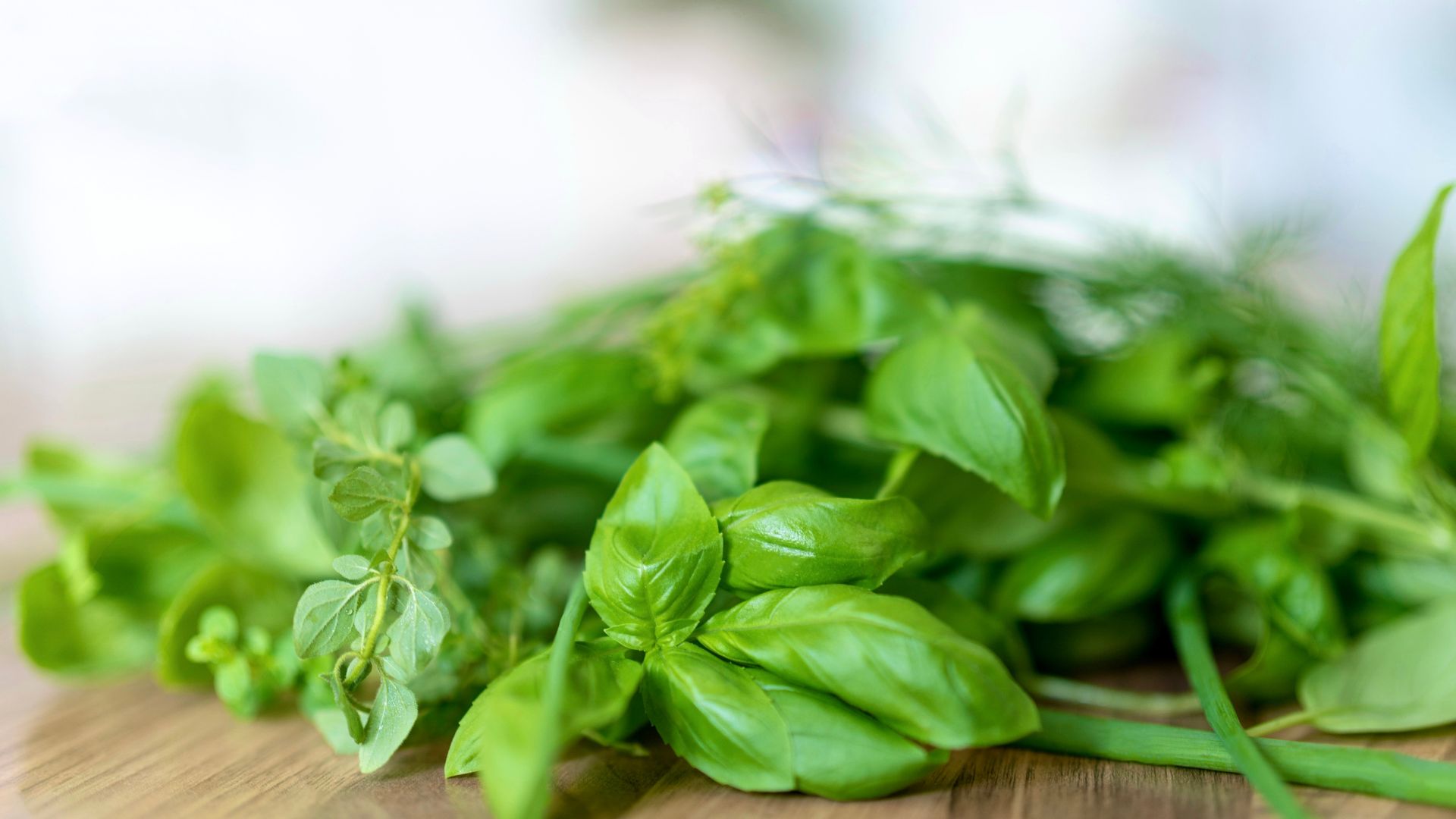
Planting basil is not only a rewarding endeavor; it is also a fantastic way to enhance your culinary creations. With its aromatic leaves and versatility in various dishes, learning how to plant basil can transform your home garden into a vibrant herb patch. Moreover, growing basil from seeds is a straightforward process that offers numerous benefits, including a fresh supply of this beloved herb right at your fingertips.
In this article, we will guide you through each step of the planting process. First, we will cover how to select the right basil seeds and understand the ideal growing conditions. Consequently, you will gain the knowledge needed to cultivate your own basil successfully. Additionally, we will explore tips for maintaining your basil plants and maximizing their flavor, ensuring you enjoy a bountiful harvest. Whether you are a novice gardener or an experienced green thumb, this complete guide will help you grow basil with confidence and ease.
Understanding Basil Seeds: Types and Germination
Understanding basil seeds and their germination is crucial for successful cultivation. With various types of basil seeds available, each variety offers unique flavors and aromas, making it essential to choose the right one for your garden. Common types include Genovese, known for its sweet flavor ideal for pesto, and Thai basil, which has a distinct anise-like taste. Moreover, purple basil adds a splash of color to your garden and dishes, while lemon basil provides a citrusy twist that can elevate your culinary creations. Therefore, understanding these varieties allows you to select seeds that align with your culinary preferences, ensuring that your garden not only thrives but also enhances your cooking.
Overview of Basil Varieties
Basil seeds come in several popular varieties, each suited for different culinary uses. For instance, Genovese basil is prized for its robust flavor, making it a staple in Italian cuisine, especially in sauces and marinades. On the other hand, Thai basil’s spicy notes complement Asian dishes beautifully, particularly in stir-fries and curries. Additionally, sweet basil is versatile and widely used in salads, sauces, and as a garnish. Furthermore, specialty varieties, such as cinnamon basil, can add an unexpected flavor profile to your meals, making them more intriguing. Thus, choosing the right basil seeds not only enhances your garden but also enriches your cooking experience, allowing you to experiment with diverse flavors and dishes.
Germination Process
Germination is a critical phase in growing basil seeds, as it sets the foundation for healthy plants. To begin, soak your basil seeds in water for about 12 hours, which helps initiate the germination process by softening the seed coat. After soaking, plant them in well-draining soil, ideally in a seed tray or small pots, ensuring they are spaced adequately to allow for growth. Maintain a warm environment, as basil seeds thrive in temperatures between 70°F and 85°F, which is crucial for optimal germination. Additionally, keep the soil consistently moist but not soggy, as excess water can lead to rot. Typically, basil seeds germinate within 5 to 10 days. Consequently, monitoring moisture levels is crucial to encourage robust growth. For best practices, check out healthy garden plants habits to ensure your seeds thrive. For a thorough resource on basil cultivation, you can learn more from How to Plant and Grow Basil – Farmer’s Almanac. By following these guidelines, you can set the stage for a flourishing basil garden that will reward you with fresh herbs throughout the growing season.
Essential Tips for Planting Basil Seeds
Planting basil seeds can be incredibly rewarding; however, selecting the right soil and creating optimal germination conditions are pivotal for success. When considering how to plant basil, it is essential to remember that the soil type directly affects seed germination and plant growth. The appropriate mix provides necessary nutrients, retains moisture, and promotes healthy root development.
In this section, we will examine the best soil options for your basil seeds and highlight the ideal conditions for germination. By understanding these factors, you can ensure a thriving basil garden.
Choosing the Right Soil for Basil Seeds
Choosing the right soil is crucial for healthy basil plants. Basil thrives in well-draining, nutrient-rich soil. A mix of potting soil and compost works wonders, as it allows for proper aeration while also providing essential nutrients. Moreover, avoid heavy clay soils, which can retain too much water and lead to root rot.
The following table summarizes various soil types to help you make an informed choice for basil germination:
| Soil Type | Drainage Level | Nutrient Content |
|---|---|---|
| Potting Mix | High | Moderate |
| Seed Starting Mix | Moderate | Low |
| Compost Blend | High | High |
| Clay Soil | Low | Moderate |
As illustrated in the table, potting mix and compost blend are excellent choices due to their high drainage levels and nutrient content. In contrast, seed starting mixes may lack sufficient nutrients, making them less ideal for long-term growth. Similarly, heavy clay soils can hinder basil care by preventing proper drainage.
Optimal Conditions for Germination
For optimal germination, basil seeds require warm temperatures and consistent moisture. Aim for a temperature range of 70°F to 85°F (21°C to 29°C) for the best results. Germination typically occurs within 5 to 10 days; therefore, maintaining a warm environment is critical.
Additionally, ensure that the soil remains moist but not soggy. Water the soil gently, allowing it to absorb moisture evenly. To illustrate, using a spray bottle can help maintain moisture without over-saturating the soil. Consequently, following these guidelines will provide a strong foundation for your basil plants, ultimately leading to a bountiful harvest.
For more tips on maintaining a healthy garden environment, consider reading about how to prevent plant diseases. By implementing these essential tips, you can set your basil up for success from the start.
Caring for Your Basil Plants: Watering and Sunlight Needs
Caring for your basil plants involves understanding their specific needs, particularly regarding watering and sunlight. Proper basil care ensures healthy growth and abundant yields. Consequently, knowing how to balance these two essential elements is crucial for anyone interested in growing basil at home. Basil thrives in warm, sunny environments and requires consistent watering to flourish. Therefore, let’s delve into the specifics of watering and sunlight requirements to ensure your basil plants thrive and produce flavorful leaves.
Watering Basil Correctly
Watering basil correctly is fundamental to its health and vitality. Basil prefers consistently moist soil, but overwatering can lead to root rot, making it essential to find the right balance. First, check the top inch of soil; if it feels dry, it’s time to water. Moreover, ensure that the pot has drainage holes to prevent water accumulation, which can suffocate the roots. When you water, do so thoroughly, allowing the water to penetrate deeply into the soil. This encourages the roots to grow deeper, making the plant more resilient against drought. Additionally, consider the environment—basil in pots may require more frequent watering than those planted in the ground, especially during hotter months. For practical tips on basil care, you can refer to the comprehensive guide at joegardener®. Furthermore, during the growing season, monitoring humidity levels can also help; basil enjoys a humid environment, so misting the leaves occasionally can be beneficial.
Sunlight Requirements
Sunlight is another critical factor in growing basil successfully. Basil plants thrive in full sun, requiring at least six hours of direct sunlight each day. Thus, placing them in a location that receives ample sunlight is essential for vigorous growth. However, if you live in an extremely hot climate, be mindful of potential leaf scorch; in such cases, providing some afternoon shade can be beneficial. Consequently, if you’re growing basil indoors, consider using grow lights to supplement natural sunlight, especially during the shorter days of winter. Furthermore, rotating your pots every few days can ensure even exposure to sunlight, promoting balanced growth. This practice helps prevent the plants from leaning towards the light source, which can lead to uneven growth. By understanding and meeting these sunlight requirements, you’ll be well on your way to growing healthy, flavorful basil that can elevate your culinary creations.
Common Basil Problems: Troubleshooting Tips
Basil plants can sometimes face challenges from pests and diseases, which can hinder their growth and affect their flavor. Recognizing these issues early on is essential for effective basil care. By understanding the common problems that basil encounters, you can implement gardening tips that promote a healthy and bountiful harvest. Additionally, knowing how to manage pests and diseases will keep your plants thriving and ensure that you enjoy the full benefits of your gardening efforts. Regular monitoring of your basil plants is crucial, as early detection can make a significant difference in the outcome of your harvest.
The table below summarizes common basil problems along with their solutions. This quick reference can help you troubleshoot effectively and maintain the health of your basil plants, allowing you to take prompt action when necessary.
| Problem | Symptoms / Signs | Solutions |
|---|---|---|
| Aphids | Curling leaves, sticky residue | Use insecticidal soap or neem oil |
| Whiteflies | Yellowing leaves, tiny white flying insects | Introduce beneficial insects like ladybugs |
| Downy Mildew | Fuzzy white spots on leaves, wilting | Improve air circulation, avoid overhead watering |
| Fusarium Wilt | Yellowing leaves, wilting, stunted growth | Rotate crops, ensure well-draining soil |
| Root Rot | Wilting, yellowing leaves, mushy roots | Water less frequently, improve drainage |
Identifying Pests
Pests like aphids and whiteflies are notorious for affecting basil. You can usually spot them on the undersides of leaves or by noticing their sticky residue. First, inspect your plants regularly to catch any infestations early. If you notice any signs of these pests, act quickly to implement control measures. For instance, using insecticidal soap can effectively eliminate pests without harming your plants. Additionally, introducing beneficial insects, such as ladybugs or lacewings, can help maintain a balanced ecosystem in your garden. These natural predators will keep pest populations in check, reducing the need for chemical interventions.
Recognizing Diseases
Diseases such as downy mildew and fusarium wilt can severely impact your basil plants. To recognize downy mildew, look for fuzzy white spots on leaves, which indicate fungal growth. Conversely, fusarium wilt leads to wilting and yellowing leaves, often resulting in stunted growth. Consequently, ensuring proper air circulation and avoiding excess moisture can help prevent these diseases. If you suspect root rot, check the soil moisture levels and adjust your watering practices accordingly. By being vigilant and proactive, you can protect your basil from these common issues. Moreover, practicing crop rotation and selecting disease-resistant varieties can further enhance your basil’s resilience against such threats.
For more insights on preventing pests, check out the top pest prevention strategies. Implementing these strategies, along with the tips provided, will surely enhance your basil care routine and ensure a thriving garden. Remember, a healthy basil plant not only contributes to your culinary endeavors but also adds beauty and fragrance to your gardening space.
Harvesting and Storing Basil: Best Practices
Harvesting basil at the right time and storing it properly are essential steps to maximize the flavor and longevity of this aromatic herb. To ensure you enjoy the freshest basil, it’s important to know when to harvest and how to maintain its quality after picking. This guide will provide you with practical insights on how to care for basil plants at the harvest stage and the best practices for storing fresh basil. By following these methods, you can enjoy the vibrant taste of basil in your culinary creations for an extended period.
When to Harvest Basil
The ideal time to harvest basil is when the plants are about six to eight inches tall and before they start to flower. At this stage, the leaves are at their most flavorful. To illustrate, you can begin harvesting when the plant has developed several sets of leaves, typically around 6-8 weeks after planting. For optimal taste, consider harvesting in the morning when the oils in the leaves are most concentrated, resulting in a more aromatic flavor. Additionally, always use clean, sharp scissors or pruning shears to avoid damaging the plant. If you remove the top leaves, it encourages the plant to grow bushier, allowing for a more abundant yield in the long run. Regularly harvesting basil not only enhances the flavor but also promotes healthy growth, ensuring that your plants remain productive throughout the growing season.
Storing Fresh Basil
Once you’ve harvested your basil, proper storage is key to maintaining its freshness. Basil can be stored in a few different ways, depending on your immediate needs. If you plan to use it within a week, you can keep it in a glass of water at room temperature, similar to how you would store cut flowers. This method allows the stems to absorb water, keeping the leaves vibrant and fresh. Alternatively, you can wrap the basil leaves in a damp paper towel and place them in a plastic bag in the refrigerator. This method helps retain moisture and prevents wilting, ensuring your basil stays flavorful for longer. For longer storage, consider freezing the leaves. You can chop the basil and mix it with olive oil before freezing it in ice cube trays. Consequently, you’ll have fresh basil ready to enhance your dishes even in winter months. Additionally, for those who enjoy making pesto, consider blending basil with nuts and cheese, then freezing it in small portions. This approach not only preserves the herb’s flavor but also provides a convenient ingredient for future meals. For more details on growing and caring for basil, check out How to grow the best basil.
Your Action Plan for Successful Basil Gardening
Ultimately, your action plan for successful basil gardening revolves around understanding the essential steps for planting and caring for this delightful herb. To summarize, start by selecting the right basil seeds that suit your culinary preferences, whether that be the aromatic Genovese or the vibrant purple basil. Preparing your soil with good drainage and ensuring it receives plenty of sunlight are critical factors that play a crucial role in your basil’s growth. Additionally, consider enriching your soil with organic compost to provide essential nutrients that will promote healthy plant development.
Furthermore, remember that basil care is all about consistent watering and proper pruning. By regularly harvesting leaves, you encourage bushier growth and prevent your plant from going to seed too early. Consequently, you’ll enjoy a more fruitful harvest, brimming with flavor. Moreover, be mindful of pests and diseases that can affect basil plants; implementing preventive measures, such as companion planting or using organic pesticides, can help maintain plant health.
Therefore, don’t hesitate—start planting basil today! Investing in this aromatic herb not only enhances your meals but also brings a sense of satisfaction from nurturing your garden. Clearly, with these steps in mind, you’re well on your way to becoming a successful basil gardener. As you cultivate your plants, look forward to the delicious possibilities that await. Happy gardening! Embrace the journey, and remember that each step you take brings you closer to enjoying the fruits of your labor.