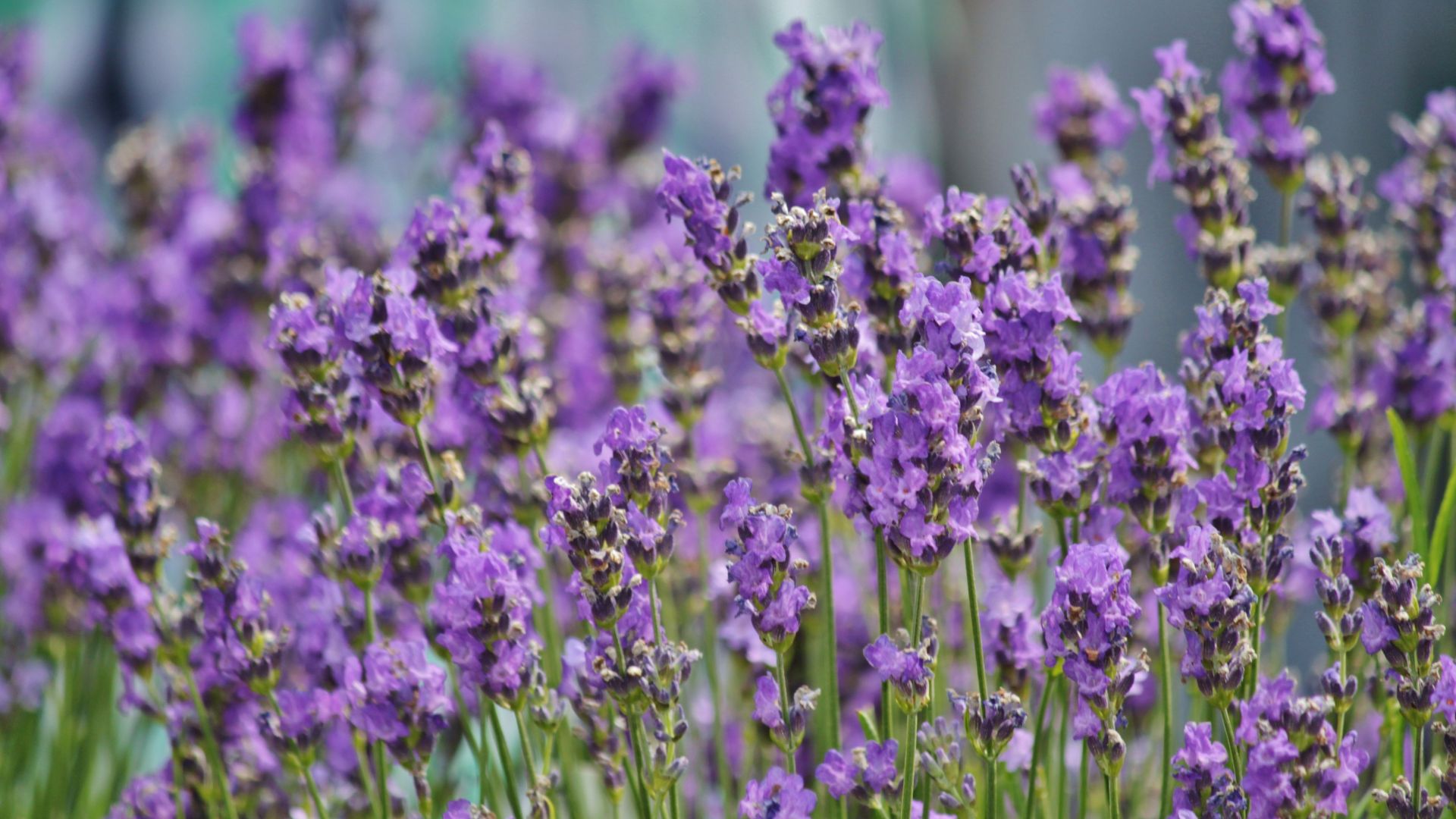
Planting lavender not only enhances your garden but also offers numerous benefits, including its captivating fragrance and ability to attract pollinators. Furthermore, lavender is a resilient plant that thrives in various climates, making it an excellent choice for both novice and experienced gardeners. By learning how to plant lavender effectively, you can create an enchanting space that provides beauty and tranquility.
In this guide, we will explore essential tips and techniques for lavender planting, focusing on best practices to ensure healthy growth. Additionally, we will cover crucial care instructions, such as watering, pruning, and pest management, to help you maintain vibrant lavender plants. Whether you aim to enrich your garden or cultivate lavender for its aromatic properties, this comprehensive guide will equip you with the knowledge necessary for success.
Understanding Lavender Varieties and Their Needs
Understanding the diverse range of lavender varieties is essential for successful lavender care. Each type of lavender possesses unique characteristics and specific needs, making it crucial for gardeners to choose wisely. Lavender is generally classified into several varieties, with the most common being English lavender (Lavandula angustifolia), French lavender (Lavandula dentata), and Spanish lavender (Lavandula stoechas). Understanding these differences allows you to provide tailored care, ensuring robust growth and vibrant blooms. Additionally, recognizing the specific environmental conditions each variety prefers can significantly enhance your gardening success.
Popular Lavender Varieties
English lavender is often considered the most versatile and hardy of all lavender varieties. It thrives in well-drained soil and full sun, making it suitable for various climates, including cooler regions. In contrast, French lavender, characterized by its distinctive curly leaves and vibrant blooms, requires slightly warmer conditions and more moisture. While it can tolerate drought, it prefers consistent watering during the growing season to maintain its lush appearance. Spanish lavender features unique, pineapple-shaped flower heads and thrives in hot, dry regions, making it ideal for Mediterranean-like climates. However, it is less frost-tolerant than the other varieties, which can limit its growth in colder areas. Consequently, knowing these specifics can help you select the right type for your garden environment, ensuring that your lavender not only survives but flourishes.
Choosing the Right Variety for Your Garden
When selecting a lavender variety, consider your local climate and garden conditions. For example, if you live in a colder area, English lavender is your best bet, as it can withstand winter temperatures and even snow. Conversely, if you have a warmer, Mediterranean-like climate, both French and Spanish lavenders will flourish, adding vibrant color and fragrance to your garden. Additionally, consider the intended use of your lavender—whether for ornamental purposes, culinary use, or attracting pollinators. For instance, English lavender is often used in culinary dishes and for making essential oils, while French lavender is favored for its ornamental value.
Moreover, proper lavender care extends beyond selection. Ensure that you provide well-draining soil and avoid overwatering, which can lead to root rot. To illustrate, incorporating sand or gravel into your soil mix can significantly improve drainage. Furthermore, regular pruning helps maintain the shape of the plants and encourages new growth. For comprehensive care instructions on various types of lavender, check out How to Grow and Care For Lavender Plants. Tailoring your approach to the specific needs of your chosen lavender variety will lead to a flourishing, aromatic garden that delights the senses and enhances your outdoor space.
Essential Lavender Planting Instructions
Planting lavender is a rewarding endeavor that requires careful attention to soil conditions and planting techniques. Understanding how to prepare the soil properly and employing the right planting methods can significantly impact the success of your lavender garden. Therefore, it is essential to recognize the specific needs of different lavender varieties to ensure they thrive.
In this section, we will discuss how to prepare the soil and the best techniques for planting lavender. This knowledge will equip you to create a flourishing lavender garden, enhancing both its aromatic charm and visual appeal.
Preparing the Soil for Lavender Planting
Before you begin planting lavender, it is crucial to prepare the soil adequately. Lavender prefers well-draining, sandy, or loamy soil with a pH level between 6.5 and 7.5. To achieve this, you can amend heavy clay soil with sand or organic matter like compost. Additionally, ensure the area receives ample sunlight, as lavender thrives with at least six hours of direct sunlight daily. Testing your soil pH can provide insights into necessary amendments, thereby ensuring optimal growth conditions.
Moreover, avoid over-fertilizing, as lavender flourishes in nutrient-poor conditions. Consequently, this practice will help prevent excessive growth and promote the development of aromatic flowers. With the right soil preparation, you can create a welcoming environment for your lavender plants.
Effective Lavender Planting Techniques
When it comes to planting lavender, timing and technique are key. First, choose a planting time in early spring or fall when temperatures are mild. This timing allows the plants to establish roots before the heat of summer or the cold of winter. To plant lavender, dig a hole that is twice as wide as the root ball but no deeper than the ball itself. This ensures that the roots can spread out without sitting in water, which can lead to root rot.
Furthermore, when planting multiple lavender plants, space them at least 2 to 3 feet apart to ensure proper air circulation. This spacing helps reduce the risk of diseases and allows each plant to receive adequate sunlight. After planting, water the lavender thoroughly but allow the soil to dry out before the next watering. This technique helps your lavender establish strong roots, making it more resistant to drought.
To illustrate the differences in soil requirements and planting methods for various lavender varieties, the following table provides a helpful comparison:
| Lavender Variety | Soil Requirements | Planting Method |
|---|---|---|
| English Lavender | Well-drained, sandy or loamy soil | Plant in spring or fall, 2-3 ft apart |
| French Lavender | Slightly moist, well-drained soil | Plant in spring, space 2-3 ft apart |
| Spanish Lavender | Well-drained, sandy soil | Early spring planting, 2-3 ft apart |
As shown in the table, each lavender variety has distinct soil and planting needs. For example, English lavender is highly adaptable but prefers well-drained soil, while French lavender thrives in slightly moister conditions. Understanding these nuances will help you successfully plant lavender and ensure a beautiful garden.
Following these essential lavender planting instructions will set you on the path to success. Additionally, practicing optimal plant care habits will further enhance the health and beauty of your lavender plants, giving you a flourishing garden that you can enjoy for years to come.
Caring for Your Lavender Plants
Caring for lavender plants involves understanding their specific needs, particularly in terms of watering and pruning. By following best practices, you can ensure that your lavender thrives and remains healthy throughout its growing season. This section will cover essential tips for watering, fertilizing, and pruning your lavender effectively, as well as additional care considerations that can enhance your gardening experience.
Watering and Fertilization
When it comes to lavender care, watering is one of the most critical aspects. Lavender plants prefer well-drained soil, and overwatering can lead to root rot, which can be detrimental to their health. Therefore, it’s best to water deeply but infrequently. For example, during dry spells, water your plants once a week. Additionally, you can check the soil moisture; if the top inch is dry, it’s time to water. Moreover, consider the time of day for watering; early morning is ideal as it allows the plants to absorb moisture before the heat of the day sets in.
Furthermore, fertilization should be minimal, as lavender thrives in nutrient-poor conditions. A light application of a balanced fertilizer in early spring can promote healthy growth, but be careful not to over-fertilize, as this can lead to lush foliage at the expense of blooms. Instead, you might consider using organic compost to enrich the soil without overwhelming the plants. This approach not only supports healthy growth but also enhances the soil’s structure, allowing for better drainage.
Pruning Techniques
Pruning is vital for maintaining the health and shape of your lavender plants. Employing proper lavender pruning methods not only encourages new growth but also enhances airflow around the plant, thus reducing disease risks. Ideally, you should prune your lavender twice a year. First, a light trim after flowering helps remove spent blooms and encourages a bushier appearance. Subsequently, a more substantial pruning in late winter or early spring prepares the plant for new growth.
When pruning, cut back about one-third of the plant, avoiding any woody stems. This technique ensures that your lavender remains vibrant and produces abundant flowers. Additionally, consider using sharp, clean shears to make precise cuts, which can help prevent damage to the plant. After pruning, applying a layer of mulch around the base can help retain soil moisture and suppress weeds, further promoting healthy growth.
By following these watering and pruning guidelines, you will create an environment where your lavender can flourish. For those interested in growing lavender in pots, you can refer to this guide for detailed instructions on pot cultivation. Thus, with the right care, your lavender will reward you with stunning blooms and a delightful fragrance year after year. Additionally, keeping an eye out for pests and diseases, such as aphids or fungal infections, will further ensure the longevity and beauty of your lavender plants.
Common Pests and Diseases Affecting Lavender
Lavender, while generally resilient, can fall victim to a variety of pests and diseases that may hinder its growth and overall health. Understanding these threats is crucial for effective lavender pest management. By identifying common nuisances and implementing appropriate control measures, you can ensure your lavender plants thrive. This section outlines prevalent pests and diseases affecting lavender, along with strategies to manage them effectively. Moreover, recognizing the signs of stress in your plants can help you act swiftly, preventing minor issues from escalating into significant problems.
Identifying Common Pests
Lavender plants are susceptible to several pests that can damage foliage and flowers. The most common pests include aphids, spider mites, and whiteflies. Aphids suck sap from the plants, leading to stunted growth and yellowing leaves. Spider mites create fine webs and can cause leaf discoloration, while whiteflies can weaken the plant by feeding on its sap. To illustrate their management, consider the following table that outlines these pests along with effective strategies for control.
| Pest | Symptoms | Management Strategies |
|---|---|---|
| Aphids | Yellowing leaves, stunted growth | Introduce ladybugs, use insecticidal soap |
| Spider Mites | Fine webs, leaf discoloration | Increase humidity, use miticides |
| Whiteflies | Sticky residue, weakened plants | Use yellow sticky traps, insecticidal soap |
In addition to these pests, it is essential to monitor your lavender regularly for other potential threats, such as thrips and mealybugs. Thrips can cause silver streaks on leaves, while mealybugs appear as white cottony masses. Implementing integrated pest management (IPM) techniques, such as introducing beneficial insects and using organic pesticides, can significantly enhance your lavender’s resilience against these pests.
Disease Prevention Strategies
In addition to pests, lavender is vulnerable to several diseases that can compromise plant health. Fungal infections like root rot and powdery mildew are particularly concerning. Root rot often occurs in poorly drained soil, while powdery mildew thrives in humid conditions. Consequently, implementing preventive measures is vital for maintaining healthy lavender plants.
To prevent these diseases, ensure proper soil drainage and avoid overcrowding plants. Additionally, good air circulation can significantly reduce the risk of powdery mildew. Regularly inspect your lavender for signs of disease and take action immediately if any issues arise. For instance, if you notice white powdery spots on leaves, it’s crucial to remove affected parts and apply a fungicide if necessary. By incorporating these practices into your lavender care routine, you can foster a healthier and more resilient garden.
Furthermore, consider rotating your lavender plants with other species to disrupt disease cycles. This practice not only helps in managing soil-borne diseases but also promotes a diverse ecosystem in your garden, which can deter pests naturally. By being proactive in both pest and disease management, you can ensure your lavender remains vibrant and flourishing throughout the growing season.
Seasonal Care Guide for Lavender
Lavender plants require specific seasonal care to flourish throughout the year. Understanding the unique needs of lavender during different seasons will enhance their growth and ensure a bountiful harvest of beautiful blooms. While lavender is a hardy plant, proper care tailored to seasonal changes will help you maintain their vibrant health. Here, we’ll delve into essential gardening tips for spring care and winter preparation, ensuring your lavender thrives no matter the climate. By paying attention to these seasonal requirements, you can cultivate a garden that not only looks stunning but also provides a delightful fragrance and attracts beneficial pollinators.
Spring Care Tips
As spring arrives, it’s time to focus on rejuvenating your lavender plants after the winter dormancy. First and foremost, check for any frost damage and prune away dead or damaged stems. This encourages new growth, which is crucial for a healthy bloom. Additionally, spring is the ideal time to amend the soil. Since lavender thrives in well-drained, slightly alkaline conditions, consider adding lime or sand to improve drainage. Furthermore, ensure your lavender gets enough sunlight—at least six hours daily—to support its growth. Watering should be done sparingly; lavender prefers dry conditions. Consequently, be cautious not to overwater, as this can lead to root rot. To illustrate, you might consider using a moisture meter to gauge the soil’s dampness before watering. Moreover, applying a balanced fertilizer in early spring can provide essential nutrients, promoting robust growth and vibrant flowers.
Winter Preparation
As winter approaches, it’s essential to prepare your lavender plants for the cold months ahead. First, consider mulching around the base of the plants with organic materials, such as straw or shredded leaves. This acts as insulation, protecting the roots from freezing temperatures. Moreover, if you live in an area with severe winters, you may need to bring potted lavender indoors to shield it from frost. Additionally, reduce watering during winter, as the plant’s water needs decrease significantly. To illustrate, you might only need to water once a month during this season. Furthermore, consider pruning your lavender lightly before winter sets in, as this can help prevent damage from heavy snow or ice. Ultimately, proper winter preparation ensures your lavender emerges strong and healthy when spring returns, ready to burst into bloom once more.
By following these seasonal care tips, you’ll be well-equipped to nurture your lavender plants effectively. Remember, attentive lavender care can lead to a beautiful garden filled with fragrant blooms. With these gardening tips, you can enjoy the many benefits that come from cultivating this enchanting plant, including its ability to enhance your outdoor space and provide a soothing aroma that can elevate your mood.
Your Lavender Planting Journey Awaits
Ultimately, your lavender planting journey awaits, and it’s time to embrace the joy of cultivating this beautiful herb. To summarize, planting lavender not only enhances your garden but also offers numerous benefits, from its enchanting scent to its role in attracting beneficial pollinators. By understanding the different varieties and their specific needs, you can ensure that your lavender thrives in any setting, creating a vibrant and inviting atmosphere.
Moreover, the tips and techniques outlined in this guide will empower you to plant lavender effectively. Whether you’re a beginner or an experienced gardener, the knowledge of proper watering, pruning, and pest management will help you maintain vibrant and healthy plants. Therefore, don’t hesitate to start your lavender planting adventure today.
As you embark on this rewarding journey, remember that patience and care are key ingredients for success. With time, your lavender garden will flourish, providing beauty, fragrance, and tranquility for years to come. Additionally, consider integrating lavender into your landscape design, as it can complement other plants beautifully and create a harmonious garden space. So gather your supplies, choose your favorite lavender variety, and get ready to plant lavender in your garden! With each step, you’ll not only cultivate a stunning display but also enjoy the therapeutic benefits that come from nurturing these delightful plants.