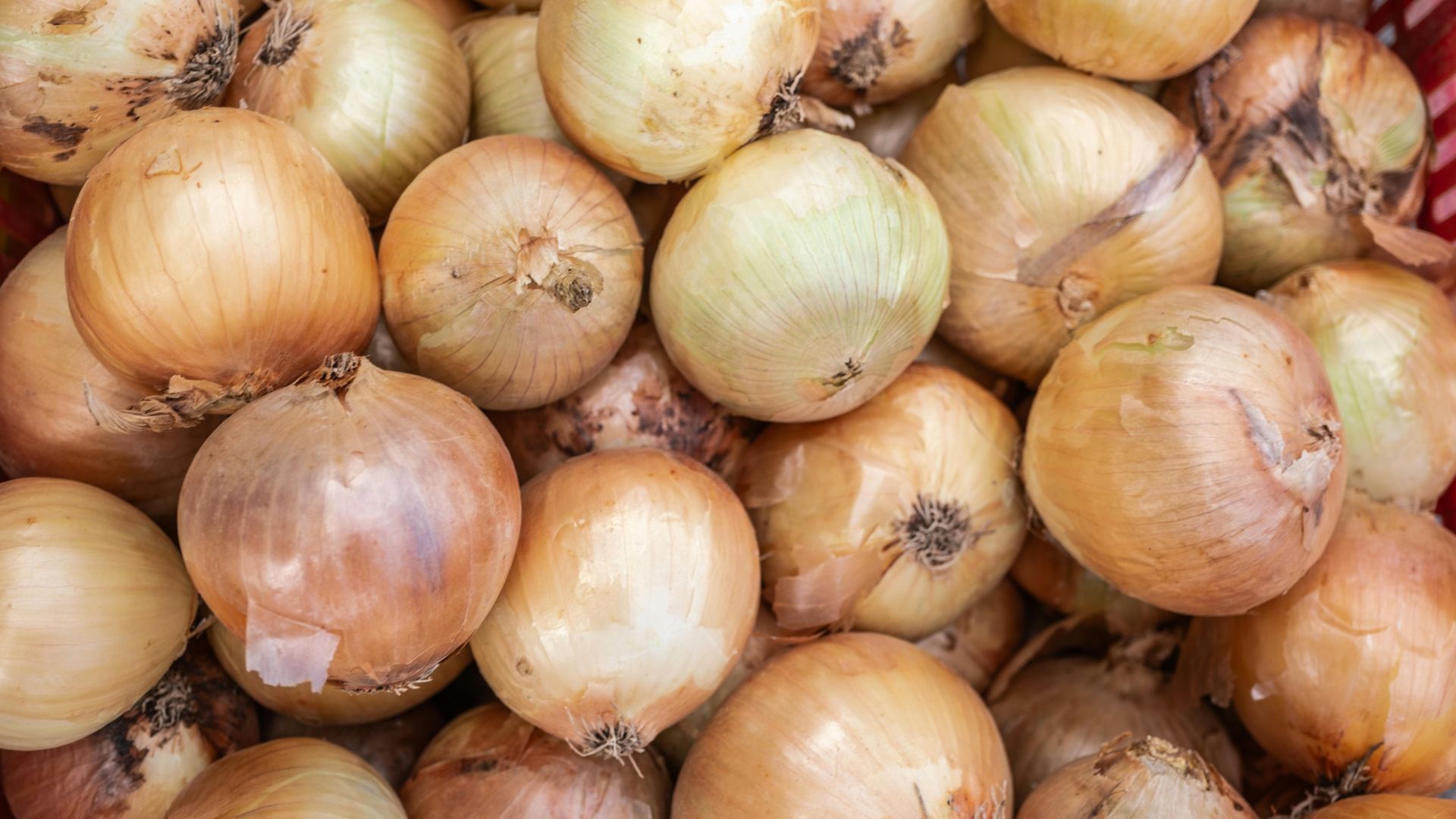
Planting onions is a rewarding endeavor that not only enhances your culinary creations but also enriches your garden’s diversity. Whether you are a seasoned gardener or just starting, mastering the techniques for planting onions can significantly impact their growth and flavor. This onion planting guide will help you navigate the essential steps to ensure a bountiful harvest, offering insights into best practices for both beginners and experienced growers.
Furthermore, this guide will explore various methods of planting onions, specifically focusing on the use of onion sets and seedlings. You will learn about optimal timing, soil conditions, and care techniques that are crucial for successful onion cultivation. Consequently, by the end of this guide, you will be equipped with the knowledge to cultivate onions that thrive, bringing fresh flavors to your table while enjoying the satisfaction of growing your own food.
Choosing Between Onion Sets and Onion Seedlings
Choosing between onion sets and onion seedlings can significantly influence your gardening experience and results. Both options possess unique characteristics and benefits that cater to different gardening needs. By understanding these differences, you can make an informed decision based on your gardening goals, climate, and available time.
Benefits of Onion Sets
Onion sets are small, immature onions that have been partially grown before being sold. One of the primary advantages of using onion sets is their convenience. They require less care than seedlings, making them ideal for beginner gardeners or those with limited time. Moreover, onion sets tend to mature faster than seedlings, as they have already established some growth. Consequently, you can enjoy a quicker harvest, often within a few months after planting.
Additionally, onion sets are less susceptible to diseases, which is particularly beneficial for novice gardeners. They can be planted directly in the ground in early spring and thrive in various soil types. Thus, you can focus more on enjoying your gardening experience rather than stressing over seedling care.
Advantages of Onion Seedlings
Conversely, onion seedlings offer unique benefits that may appeal to experienced gardeners. Seedlings typically provide a wider variety of onion types, allowing for greater selection in terms of flavor and size. This diversity can significantly enhance your culinary creations. Furthermore, seedlings tend to produce larger onions, which can be particularly satisfying for those looking to grow impressive crops.
However, growing onion seedlings requires more attention and care. They need to be started indoors or in a controlled environment to ensure proper germination. This process can be rewarding for those who enjoy nurturing plants from the very beginning. Additionally, seedlings may be more adaptable to local conditions, as they can be acclimated before planting outside. For detailed guidance on planting and caring for onions, check out this resource on how to plant onions.
Ultimately, your choice between onion sets and onion seedlings should reflect your gardening style and objectives. If you’re looking for ease and speed, onion sets may be the way to go. Conversely, if you seek variety and are willing to invest time in nurturing seedlings, they might be the better option. Regardless of your choice, remember to consider potential threats to your crops. For insights on how to protect your crops, be sure to explore protective measures for a successful gardening season.
Onion Sets vs Seedlings: A Detailed Comparison
Choosing between onion sets and onion seedlings can be a pivotal decision in your gardening journey. Each method offers distinct advantages and challenges that can significantly influence how you plant onions and the overall success of your harvest. By examining the planting requirements and growth timelines of both options, you can determine which approach aligns best with your gardening style and goals. Understanding these differences not only aids in making an informed choice but also enhances your overall gardening experience.
Moreover, the choice between onion sets and seedlings can affect the variety of onions you can grow. For instance, while onion sets are often limited to common varieties, seedlings allow for a broader selection, including heirloom and specialty types. This aspect can be particularly appealing to gardeners looking to experiment with unique flavors and colors in their onion harvests. Therefore, it’s essential to weigh your options carefully, considering both the practical aspects of planting and the creative possibilities they present.
Planting Requirements
When it comes to planting requirements, onion sets and seedlings differ significantly. Onion sets are typically easier to plant because they are pre-grown and ready for direct soil placement. They thrive in well-drained soil with good sunlight, making them versatile for various climates. Specifically, they prefer a pH level between 6.0 and 7.0, which is ideal for optimal growth. Conversely, onion seedlings require more care during the initial stages; they must be started indoors or in a controlled environment before being transplanted outside. This method necessitates specific conditions, such as consistent moisture and proper lighting, to ensure healthy growth.
To illustrate these differences clearly, here’s a comparison table highlighting the planting requirements for both onion sets and seedlings:
| Planting Method | Requirements |
|---|---|
| Onion Sets | Directly plant in well-drained soil; full sun exposure; pH 6.0-7.0. |
| Onion Seedlings | Start indoors; transplant outdoors after frost; needs consistent moisture and light. |
Growth Timeline
The growth timeline for onion sets and seedlings also varies, which can impact your gardening schedule. Typically, onion sets mature faster than seedlings because they are already partially grown. You can expect a harvest from onion sets within 90 to 120 days after planting, making them ideal for those seeking quicker results. In contrast, onion seedlings can take longer to mature, often requiring 100 to 150 days before they are ready for harvest.
This extended timeline necessitates more planning, especially if you are aiming for a specific harvest date. For example, if you plan to have fresh onions for a summer barbecue, starting seedlings indoors several weeks before the last frost is crucial. Thus, understanding these timelines is essential for ensuring that your garden yields the desired results when you want them.
Additionally, the growth conditions can also affect the timeline. For instance, if seedlings are exposed to inadequate light or inconsistent watering, their growth may be delayed. Therefore, providing optimal conditions is vital for both methods to achieve the best results.
In summary, whether you choose onion sets or seedlings, consider your personal gardening style and the time you can dedicate to nurturing your plants. Onion sets offer a quicker, more straightforward method, while seedlings provide the opportunity for a wider variety of onion types. To enhance your gardening skills further, you might want to explore essential habits for growth that ensure your onions thrive throughout their growing season. By understanding the nuances of both planting methods, you can make a choice that not only suits your gardening needs but also enriches your culinary experiences.
Step-by-Step Guide to Planting Onions
Planting onions is a straightforward process, but success hinges on proper preparation and care. This guide will take you through the essential steps to ensure your onions grow healthy and flavorful. From soil preparation to ongoing care, understanding how to plant onions effectively can yield a bountiful harvest. The right techniques can not only enhance the growth of your onions but also improve their taste, making them a delightful addition to your culinary creations.
Preparing the Soil
First and foremost, preparing the soil is crucial for healthy onion growth. Start by selecting a sunny location, as onions thrive in full sunlight. Ideally, they require at least six hours of direct sunlight each day. Test your soil pH, aiming for a range between 6.0 and 6.8, which is optimal for onion cultivation. To enhance soil quality, incorporate organic matter, such as compost or well-rotted manure. This not only enriches the soil but also improves drainage and aeration, which are vital for root development. Additionally, till the soil to a depth of at least 12 inches to ensure it is loose and friable. Consequently, this will allow the onions to establish strong root systems. After tilling, level the soil and remove any large clumps or stones to create a smooth planting surface. Furthermore, consider adding a layer of mulch after planting to help retain moisture and suppress weeds, which can compete with your onions for nutrients.
Planting Techniques
Once the soil is prepared, it’s time to delve into the planting techniques. When learning how to plant onions, you can choose between onion sets, seedlings, or seeds. For sets, plant them about an inch deep, with the pointed end facing up. Space them approximately 4-6 inches apart to allow for proper bulb development. If using seedlings, plant them similarly, ensuring that the roots are well covered. Alternatively, if you opt for seeds, sow them about ¼ inch deep and thin them to the appropriate spacing after germination. This step is vital, as overcrowding can lead to smaller bulbs and increased competition for nutrients. Additionally, consider marking rows with stakes or string for easy navigation during planting. To illustrate, using a garden planner can help visualize the layout and ensure optimal spacing, ultimately leading to healthier plants.
Watering and Care
Watering and ongoing care are essential components of successful onion cultivation. Initially, after planting, ensure that the onions receive consistent moisture. This is particularly important during the first few weeks as they establish their roots. Ideally, onions need about an inch of water per week; therefore, you might need to supplement rainfall with irrigation. However, avoid overwatering, as this can lead to rot. Moreover, maintaining a weed-free environment is crucial for healthy onion growth. Regularly check for weeds and remove them by hand or with mulch, which can also help retain soil moisture. In terms of nutrition, applying a balanced fertilizer at the time of planting and periodically thereafter can promote robust growth. Specifically, a nitrogen-rich fertilizer can support leafy growth, while phosphorus and potassium will enhance bulb development. Consequently, following these steps can significantly enhance your onion care routine.
To delve deeper into specific planting depths, spacing, and harvesting times, you can refer to the comprehensive guidelines provided in the [PDF] Growing Onions in Home Gardens – Wsu. With the right preparation and care, your garden will be filled with vibrant, delicious onions that are sure to elevate your culinary adventures. By following these detailed steps, you will not only cultivate onions that thrive but also enjoy the satisfaction of growing your own food, enriching both your garden and your kitchen.
Troubleshooting Common Onion Growing Problems
Onion cultivation can be a delightful experience, but even seasoned growers encounter challenges. Common issues such as pests and diseases can hinder your onion growing techniques, affecting both the yield and quality of your crop. Fortunately, knowing how to care for onions effectively can help you troubleshoot these problems and ensure a healthy harvest. Understanding the signs of distress in your onions is the first step toward resolution. By observing your plants closely, you can identify issues early on and implement appropriate solutions. Below, we’ll explore some typical onion growing problems and their remedies, empowering you to take proactive measures in your gardening journey.
Identifying Issues
Onions are particularly vulnerable to a variety of pests and diseases. For instance, onion flies can damage young plants, while diseases like downy mildew can affect their leaves. Additionally, nutrient deficiencies may lead to yellowing leaves or stunted growth. Recognizing these signs early allows for timely intervention, which is crucial for maintaining the health of your onion plants.
Moreover, environmental factors can play a significant role in the health of your onions. Excessive moisture or poor drainage can lead to rot, whereas insufficient sunlight can stunt growth. Furthermore, temperature extremes can also affect onion development; onions thrive in moderate temperatures, and extreme heat or cold can hinder their growth. Keeping an eye on these conditions will help you prevent potential problems before they escalate. Regularly checking your soil’s moisture levels and ensuring your onions receive adequate sunlight can be beneficial practices.
Solutions for Healthy Growth
To assist you in addressing these common onion growing problems, refer to the table below. Here, you’ll find a concise list of issues along with suggested solutions to help you cultivate thriving onions.
| Onion Growing Problem | Solution |
|---|---|
| Onion flies | Use row covers; apply insecticidal soap. |
| Downy mildew | Improve air circulation; apply fungicides. |
| Yellowing leaves | Test soil; add nitrogen-rich fertilizer. |
| Rot due to excess moisture | Ensure well-draining soil; reduce watering frequency. |
| Stunted growth | Ensure full sun exposure; check for pest infestations. |
Consequently, addressing these challenges promptly can greatly improve your onion crop’s success. For example, using row covers not only protects against pests but also helps retain moisture. Implementing these solutions not only enhances your gardening skills but also enriches your knowledge about how to care for onions effectively. Thus, with diligence and attention, you can overcome these obstacles and enjoy a bountiful harvest. Additionally, consider keeping a gardening journal to track the health of your onions and the effectiveness of your interventions, which can provide valuable insights for future growing seasons.
Seasonal Planting Schedules for Onion Varieties
Understanding the seasonal planting schedules for various onion varieties is crucial for achieving optimal growth and a successful harvest. Different types of onions thrive under specific conditions and climates; therefore, timing your planting is essential. For home gardeners, knowing when to sow seeds or plant sets can lead to a bountiful crop. In this section, we will explore the best times to plant different onion varieties, taking into account climate and regional differences that may affect your gardening success.
Spring Planting of Onion Varieties
Spring is generally the most popular season for planting onion varieties, particularly in regions with milder climates. For example, in USDA Hardiness Zones 3 to 7, gardeners can start planting onion sets or seeds as early as March. This timing allows onions to take advantage of the longer daylight hours and warmer temperatures as they grow. Additionally, sweet onion varieties, such as Vidalia or Walla Walla, are best suited for spring planting since they require a longer growing season.
Moreover, spring planting is ideal for green onions and shallots, which can be harvested earlier. To illustrate, if you plant these varieties in early spring, you can expect a harvest by late spring or early summer. However, it’s important to prepare the soil adequately, ensuring it is well-draining and rich in organic matter for optimal growth.
Fall Planting of Onion Sets
Conversely, fall planting can also yield successful results, especially in warmer climates or regions with mild winters. For instance, in USDA Zones 8 and above, gardeners can plant overwintering onion varieties like ‘Candy’ or ‘Texas Super Sweet’ in the fall. These onions will establish roots before winter and resume growth as temperatures rise in early spring.
To take advantage of fall planting, aim to sow your onion seeds or sets around six to eight weeks before the first expected frost. This strategy allows onions to develop before the cold sets in, leading to an earlier harvest in spring. Furthermore, fall-planted onions often produce larger bulbs than their spring-planted counterparts, as they benefit from the extended cool growing period. Therefore, consider your local climate and choose the appropriate onion varieties for home gardens to maximize your harvest potential.
As you plan your onion planting schedule, be mindful of common gardening mistakes that can hinder growth. For further insights on avoiding these pitfalls, check out common gardening mistakes. With careful planning and attention to seasonal timing, your onion garden can flourish, providing fresh produce for your kitchen.
Your Action Plan for Successful Onion Planting
Ultimately, your action plan for successful onion planting begins with understanding the essential steps outlined in this guide. From selecting between onion sets and seedlings to timing your planting right, each decision plays a pivotal role in how to grow onions effectively. Remember, optimal soil conditions and proper care techniques are fundamental to nurturing healthy onions that will flourish in your garden.
To summarize, investing time in learning about the unique characteristics of onion sets and seedlings will aid you in making informed choices tailored to your gardening needs. This knowledge, coupled with timely planting and diligent care, ensures a bountiful harvest that enhances both your meals and your gardening experience. Additionally, consider the specific varieties of onions that best suit your climate and culinary preferences, as this can further optimize your results.
Therefore, don’t hesitate to get started! Gather your supplies, prepare your garden, and plant your onions with confidence. By taking these steps, you’ll not only reap the rewards of fresh, flavorful onions but also gain invaluable gardening skills that can be applied to future projects.
Finally, embrace the journey of growing your own onions. With patience and practice, you’ll cultivate a thriving garden that brings joy and sustenance for seasons to come. Remember, every gardening experience is a learning opportunity, so take notes on what works best for you. Happy planting, and may your garden flourish with the vibrant flavors of homegrown onions!