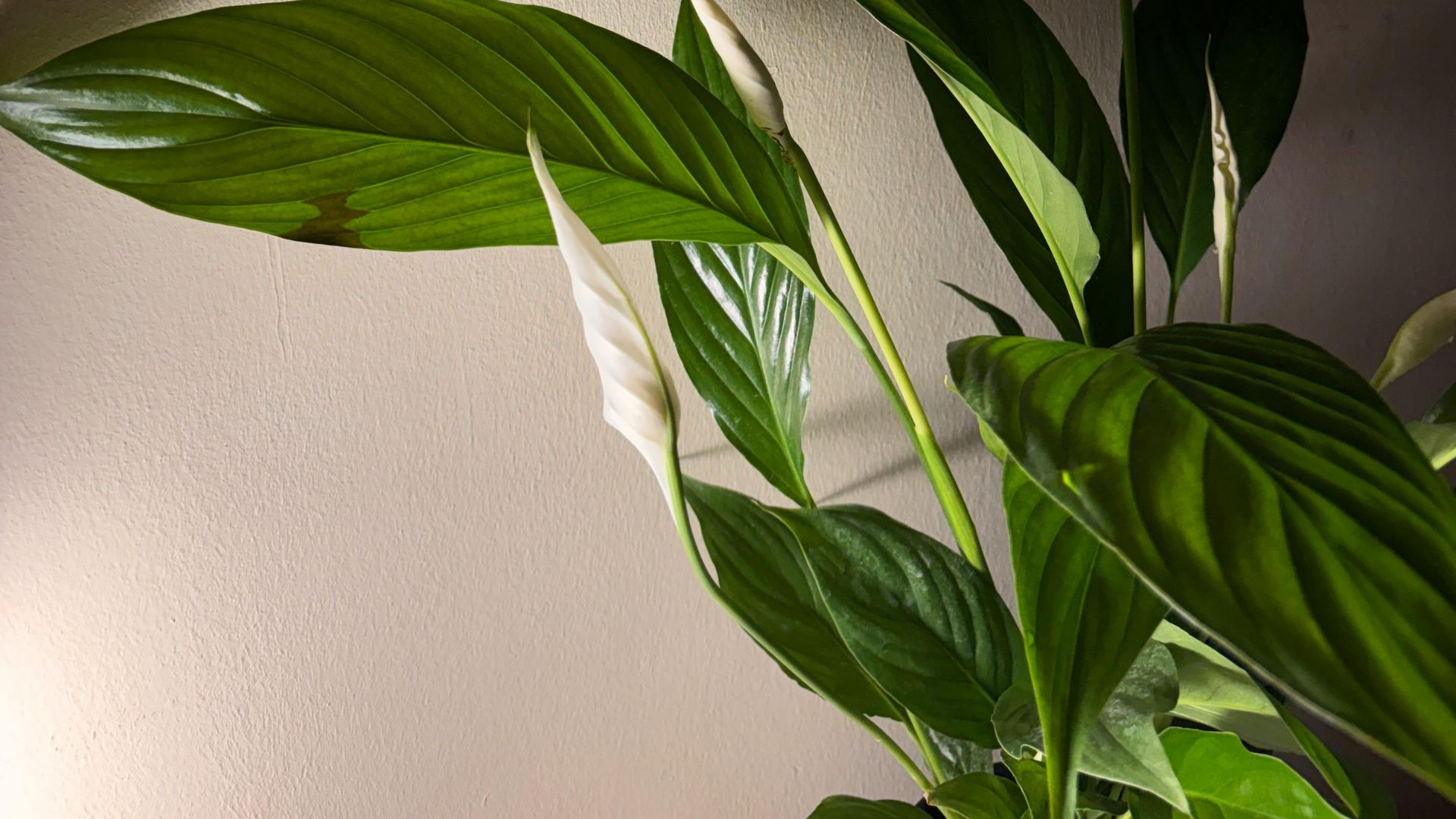
If you’re looking to enhance your indoor space with a touch of elegance, knowing how to plant a peace lily is essential. This stunning indoor plant not only adds beauty to your home but also purifies the air, making it an excellent choice for any room. With its lush green leaves and exquisite white flowers, the peace lily is a favorite among houseplant enthusiasts and a perfect addition to your collection.
In this article, we will guide you through the step-by-step process of planting and caring for your peace lily. First, we will explore the ideal conditions for growth, including light requirements and soil preferences. Next, we will delve into effective watering techniques and tips for maintaining the plant’s health. Furthermore, we will discuss common issues and how to troubleshoot them effectively. By the end, you will be equipped with the knowledge needed to ensure your peace lily thrives beautifully in your home.
Understanding Peace Lily Care: The Essentials
Understanding how to care for a peace lily is vital for anyone looking to enjoy the beauty of this resilient houseplant. With its glossy leaves and striking white flowers, the peace lily thrives in various indoor conditions. However, providing the right care ensures that your plant not only survives but flourishes. Therefore, understanding its specific needs, particularly regarding humidity and light, is essential for optimal growth.
The Importance of Proper Care for Peace Lilies
Proper peace lily care involves creating an environment that mimics its natural habitat—tropical rainforests. These plants thrive in high humidity, which helps them maintain their vibrant foliage. If the air in your home is dry, consider misting your peace lily regularly or placing it near a humidifier. Additionally, you can increase humidity by grouping houseplants together or placing a tray of water with pebbles underneath the pot. This approach will not only benefit your peace lily but also support the health of other plants in your space.
Moreover, light plays a crucial role in peace lily care. While these plants can tolerate low light, they prefer bright, indirect sunlight. Direct sunlight can scorch their leaves, leading to brown tips and diminished growth. If you notice your peace lily is not blooming, it may be a sign that it needs more light. Consequently, placing it near a north or east-facing window is ideal for promoting healthy growth.
Essential Peace Lily Care Tips
In addition to humidity and light, regular watering is key to successful peace lily care. Allow the top inch of soil to dry out before watering; this practice prevents root rot, a common issue for peace lilies. To illustrate, if the leaves start drooping, it’s a sign that your plant needs water. However, don’t wait too long; consistent moisture is crucial for their health and vitality.
Furthermore, fertilizing your peace lily can enhance its growth. Use a balanced houseplant fertilizer every six to eight weeks during the growing season. However, be cautious not to over-fertilize, as this can lead to fertilizer burn and harm your plant. For more comprehensive care tips and troubleshooting advice, you can refer to How To Grow And Care For Peace Lilies, The Perfect Houseplant.
In summary, understanding peace lily care involves focusing on environmental conditions, watering, and fertilization techniques. Additionally, adopting daily habits for maintaining plant health will ensure your peace lily remains a stunning focal point in your home.
Essential Peace Lily Planting Instructions
When planting a peace lily, following precise instructions is vital for ensuring healthy growth. These plants thrive in specific conditions, particularly regarding soil type. The best soil for peace lily growth should provide adequate drainage while retaining moisture. Understanding these factors will empower you to create an optimal environment for your peace lily. Additionally, peace lilies prefer a slightly acidic to neutral pH, typically ranging from 5.8 to 6.5. This pH range supports nutrient absorption, which is crucial for the plant’s overall health and vitality.
Before diving into the planting process, let’s outline some essential soil types. Each type has unique properties that can significantly affect your plant’s health. Below, you’ll find a comparison table to help you choose the right soil for your peace lily.
| Soil Type | Properties |
|---|---|
| Potting Mix | Well-draining, retains moisture, lightweight |
| Peat-based Soil | High moisture retention, slightly acidic |
| Cactus Mix | Very fast-draining, low moisture retention |
When considering the best soil for peace lily growth, it’s essential to note that a potting mix is often the most versatile option. It typically contains a blend of peat, vermiculite, and perlite, allowing for proper drainage and moisture retention. Consequently, this balance is crucial, as peace lilies are prone to root rot if left in overly wet conditions. Moreover, using a mix that includes organic matter can further enhance soil structure and provide essential nutrients over time.
Step-by-Step Planting Guide
To begin planting your peace lily, first, select a pot with drainage holes to ensure excess water can escape. Start by filling the pot with your chosen soil type, leaving enough space for the root ball. Gently remove the peace lily from its nursery pot, being careful not to damage the roots. Place the plant in the new pot, then fill around it with soil, ensuring the crown of the plant is level with the soil surface. Water it thoroughly to settle the soil, and place it in a location with indirect sunlight. Additionally, consider rotating the plant occasionally to promote even growth and prevent it from leaning toward the light source.
Understanding Soil Requirements
Understanding soil requirements is crucial for your peace lily’s success. As highlighted earlier, the right soil mix not only promotes healthy growth but also helps prevent diseases. For instance, using peat-based soil can enhance moisture retention, but be cautious about overwatering. Furthermore, incorporating a slow-release fertilizer into your soil mix can provide essential nutrients over time, supporting robust growth. If you’re interested in learning more about common issues like root rot, check out understanding root rot and soil-borne diseases.
Moreover, it’s beneficial to monitor your peace lily regularly for signs of stress, such as yellowing leaves or wilting, which may indicate issues with soil moisture or nutrient levels. By adjusting your care routine accordingly, you can ensure that your peace lily remains healthy and vibrant.
In summary, by choosing the right soil and following these planting instructions, your peace lily will have the best chance of thriving in your home. With proper care and attention, you can enjoy the beauty and air-purifying benefits of this remarkable plant for years to come. Remember, the journey of nurturing a peace lily is not just about planting; it’s about creating an environment where it can flourish.
Watering Instructions for Peace Lily Care
Watering your peace lily properly is crucial for its health and vitality. This tropical plant, known for its elegant white flowers and lush green foliage, thrives in specific moisture conditions. Understanding peace lily watering instructions is key to preventing stress on the plant, which can lead to various issues such as leaf discoloration or stunted growth. A well-watered peace lily will display vibrant leaves and abundant blooms, while inadequate or excessive moisture can cause significant problems, including root rot. Therefore, mastering effective watering techniques is essential for every peace lily caregiver. By paying attention to your plant’s needs and adjusting your care routine accordingly, you can ensure that your peace lily remains a stunning focal point in your home.
How Often to Water
When it comes to watering your peace lily, consistency is crucial. Typically, you should water your peace lily every 1 to 2 weeks, depending on the environment. During warmer months, the plant may need more frequent watering due to increased evaporation rates, while in cooler months, the frequency can be reduced. A great houseplant watering tip is to check the soil moisture before watering. Insert your finger about an inch into the soil; if it feels dry, it’s time to water. Conversely, if the soil is still moist, wait a few days before checking again. Additionally, factors such as pot size, type of soil, and humidity levels in your home can influence how often you need to water. This method allows you to tailor the watering schedule to your specific indoor conditions, ensuring optimal growth and health for your peace lily.
Signs of Overwatering and Underwatering
Recognizing the signs of overwatering and underwatering is vital in peace lily care. Overwatered peace lilies often exhibit yellowing leaves and wilting, despite the soil being damp. In this case, it’s essential to adjust your watering routine immediately to prevent root rot. On the other hand, underwatered plants tend to droop, and leaves may turn brown at the tips. If you notice these symptoms, it’s crucial to act quickly; provide water and check the soil regularly to prevent further stress. Therefore, monitoring your peace lily closely will help you maintain a healthy watering balance, ensuring your plant thrives. Moreover, consider using well-draining soil and pots with drainage holes to facilitate proper moisture levels. By being attentive to your plant’s needs, you can create an environment where your peace lily flourishes beautifully.
For more detailed sections on watering and care, check out Peace Lily Plant Care – Flower Shop Network. By following these peace lily watering instructions and houseplant watering tips, you’ll set your plant up for success and enjoy its beauty for years to come.
Troubleshooting Common Peace Lily Problems
Maintaining a peace lily can sometimes feel challenging, especially when you encounter common issues that may arise. However, identifying and resolving these problems is part of effective peace lily maintenance. Knowing how to troubleshoot peace lily issues ensures your plant remains healthy and vibrant. In this section, we will explore the most frequent problems peace lily owners face, alongside practical solutions. By understanding these challenges, you can foster a more resilient plant that enhances your indoor environment.
Identifying Common Issues
Peace lilies are generally resilient, but they can exhibit signs of distress due to various environmental factors. For instance, yellowing leaves often indicate overwatering, while brown tips may suggest underwatering or low humidity. Moreover, if your peace lily isn’t blooming, it might not be receiving adequate light. By closely observing your plant, you can quickly identify these common issues and take action before they escalate. Additionally, keep an eye out for wilting leaves, which can signal a need for immediate watering, or leaf spots that may indicate a fungal infection or pest presence. Recognizing these signs early will allow you to implement corrective measures swiftly.
Solutions for Peace Lily Problems
To assist you in troubleshooting your peace lily effectively, we’ve compiled a table detailing common problems and their corresponding solutions. This handy guide will help you address issues promptly, ensuring your peace lily thrives in your home.
| Common Issue | Possible Cause | Solution |
|---|---|---|
| Yellowing leaves | Overwatering | Reduce watering frequency; check drainage. |
| Brown leaf tips | Underwatering or low humidity | Increase humidity; adjust watering. |
| Wilting leaves | Underwatering | Water thoroughly; ensure proper drainage. |
| No blooms | Insufficient light | Move to a brighter location (indirect light). |
| Leaf spots or browning | Fungal infection or pests | Treat with fungicide; check for pests. |
| Dropping leaves | Sudden temperature change | Relocate to a stable environment. |
Understanding these solutions allows you to create a better care routine for your peace lily. Regularly inspecting your plant can prevent many of these issues from occurring. For instance, maintaining adequate humidity and monitoring watering schedules are simple yet effective strategies. Additionally, consider rotating your plant occasionally to ensure even light exposure on all sides, which can promote balanced growth.
Consequently, if you notice any signs of stress, refer to the table for quick solutions. Moreover, consider implementing preventative measures, such as proper watering techniques and ensuring adequate light exposure. This proactive approach will greatly enhance your peace lily maintenance routine. Furthermore, remember that peace lilies can be sensitive to sudden changes in their environment, so try to maintain a consistent temperature and humidity level.
To further enrich your knowledge in plant care, you might find value in preventing plant diseases. This resource provides insights into avoiding common gardening pitfalls, ensuring that your indoor plants, including peace lilies, remain healthy and beautiful.
By understanding how to troubleshoot peace lily problems, you can ensure that this elegant plant continues to flourish in your home. With attentiveness and care, your peace lily can thrive, bringing joy and beauty to your indoor space. Remember, the key to successful peace lily care lies in your ability to observe and respond to its needs, creating an environment where it can truly thrive.
Peace Lily Root Growth Care Tips
Maintaining healthy root growth is essential for the overall well-being of your peace lily. Strong roots not only anchor the plant but also absorb water and nutrients, ensuring the foliage remains lush and vibrant. When roots are healthy, the plant can withstand stress from environmental factors like low light or irregular watering. Therefore, understanding what promotes root growth is vital for any peace lily caregiver, especially for beginners. Additionally, fostering a supportive environment for root development can lead to more abundant blooms, enhancing the plant’s beauty and longevity.
Understanding Peace Lily Root Growth
Peace lily roots thrive in a well-draining environment, which is crucial for preventing rot. The roots should be allowed to breathe, so consider using a pot with drainage holes. Moreover, peace lilies prefer a slightly snug pot. If the roots are too crowded, they can become root-bound, which hinders growth. To illustrate, if you notice roots growing out of the drainage holes, it may be time for a larger pot. Regularly checking the roots will help you monitor their health and ensure optimal growth conditions. Furthermore, during the growing season, you may observe increased root activity as the plant seeks nutrients and moisture, highlighting the importance of providing a suitable environment.
Best Practices for Healthy Roots
To promote healthy root growth, start with the right soil mix. A combination of potting soil and perlite or orchid bark will provide the aeration peace lilies need. Additionally, avoid overwatering, as this can lead to poor root health. Water only when the top inch of soil feels dry; this practice helps prevent root rot while ensuring adequate moisture. Furthermore, fertilizing your peace lily during the growing season (spring and summer) with a balanced, water-soluble fertilizer can provide essential nutrients that support strong roots. This nutrient boost is particularly important as the plant prepares for its flowering phase, ensuring that the roots have the energy needed for optimal growth.
Moreover, consider repotting your peace lily every couple of years. This not only refreshes the soil but also gives roots more room to grow. When repotting, be gentle to avoid damaging the roots. As noted by Peace Lily Care Tips: How to Grow Spathiphyllum Plants, ensuring that you follow these peace lily care tips for beginners will significantly enhance the health of your plant. Additionally, observing how your peace lily responds to changes in its environment can provide valuable insights into its root health. Consequently, taking these steps will allow your peace lily to thrive, showcasing its beautiful foliage and flowers while contributing positively to your indoor space.
Your Action Plan for Thriving Peace Lilies
To summarize, nurturing a thriving peace lily requires attention to its specific needs, including optimal light, humidity, and watering practices. By understanding how to plant a peace lily properly and providing consistent care, you can enjoy its beauty and air-purifying benefits for years to come. Remember to choose the right potting mix and ensure it has adequate drainage to prevent overwatering, which is a common pitfall. Additionally, consider the placement of your peace lily; a spot with indirect sunlight is ideal, as direct sunlight can scorch its leaves.
Furthermore, keep an eye on your plant for signs of distress, such as yellowing leaves or wilting, and address these issues promptly. Consequently, regular maintenance, including dusting the leaves to remove dust and debris, and occasionally repotting as the plant grows, will contribute to your peace lily’s health and vibrancy. Moreover, be mindful of pests, which can sometimes invade indoor plants, and take preventive measures to keep your peace lily thriving.
Ultimately, the key to successful peace lily care lies in creating a nurturing environment. Therefore, take the time to implement these tips in your routine. Start by planting your peace lily today, and watch as it transforms your space into a serene oasis. With patience and dedication, your peace lily will not only thrive but also bring joy and beauty to your home for many seasons ahead. Embrace the journey of plant care, and you will be rewarded with a lush, vibrant addition to your indoor landscape.