Powdery mildew is a common yet frustrating plant disease that affects a wide variety of plants, including vegetables and ornamentals. This fungal affliction appears as a white, powdery coating on leaves and stems, indicating an underlying health issue that can significantly impact plant growth and yield. Therefore, understanding powdery mildew is crucial for both gardeners and farmers, as it not only threatens individual plants but can also lead to larger agricultural challenges if not managed effectively.
In this article, we will explore the intricacies of powdery mildew and its implications for overall plant health. Additionally, we will examine various types of plant diseases, their causes, and effective strategies for prevention and control. By the end, you will have a clearer understanding of how to recognize and combat this pervasive fungus, ensuring your plants remain healthy and vibrant.
Recognizing Powdery Mildew: Symptoms and Signs
Recognizing powdery mildew symptoms early can save your plants from significant damage. This fungal disease typically thrives in warm, dry conditions, making it essential for gardeners to stay vigilant. The first step in prevention is understanding how to spot the signs of this ailment. By familiarizing yourself with the common symptoms, you can take action before the problem escalates into a more severe issue that could jeopardize your garden’s health.
Identifying the Symptoms
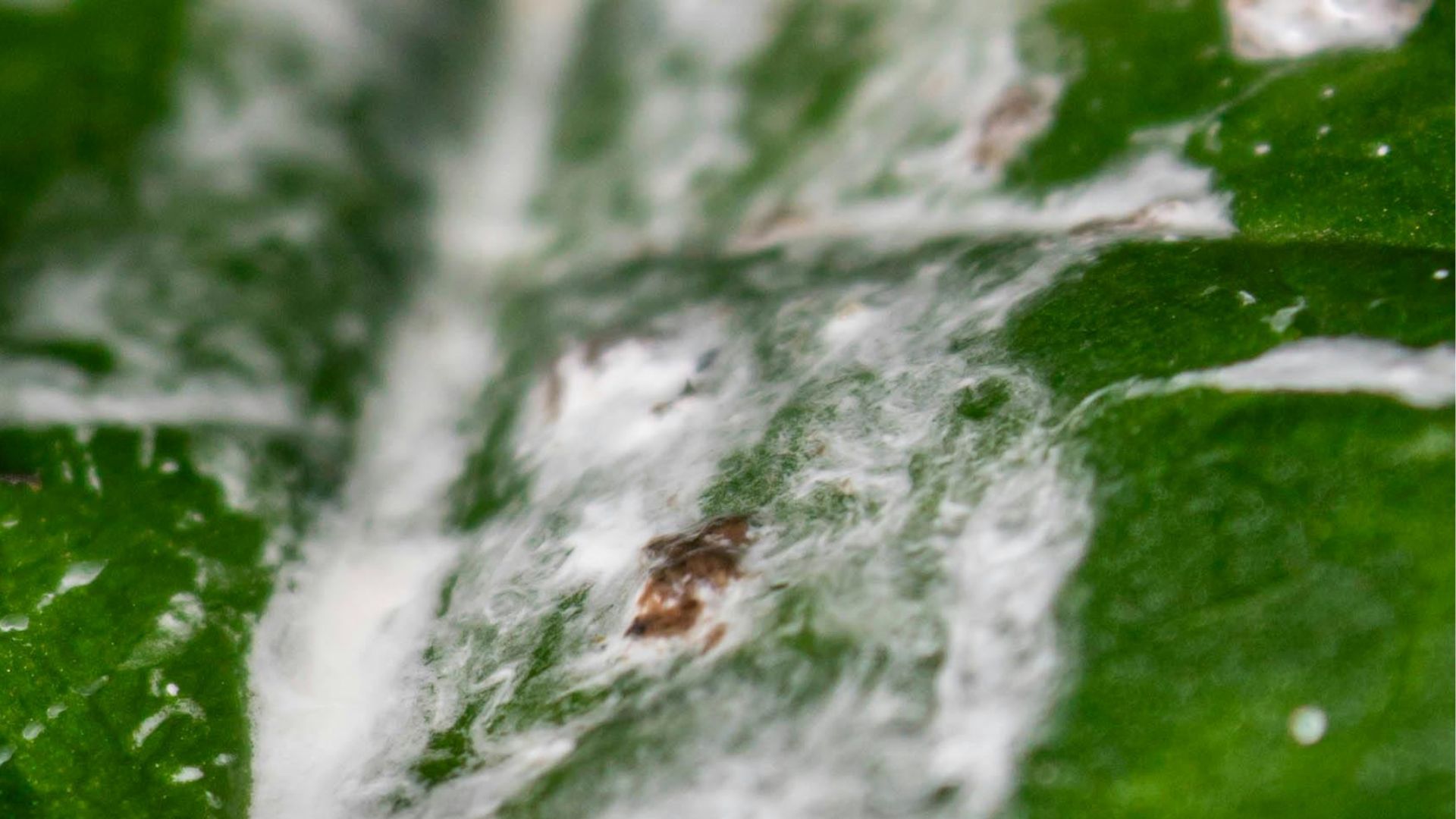
When you’re trying to recognize powdery mildew symptoms, the initial signs are subtle but crucial. Typically, affected leaves will exhibit a fine, white, or grayish coating that resembles talcum powder. This layer can spread rapidly, covering not just leaves but also stems and buds. Additionally, the leaves may start to yellow or develop dark spots, indicating that the plant is struggling. As the disease progresses, affected leaves may become distorted and eventually shrivel up or drop prematurely. Therefore, checking your plants regularly is vital to catch these symptoms early.
Moreover, it is important to note that different plant species may exhibit varying degrees of susceptibility to powdery mildew. For instance, cucumbers and squash are particularly prone to this disease, while others may show more resilience. Consequently, understanding the specific vulnerabilities of your plants can enhance your ability to recognize symptoms promptly.
Visual Indicators of Powdery Mildew
To illustrate the visual indicators, consider the appearance of affected foliage. The white powdery spots are usually most visible on the upper surfaces of leaves, but they can also appear on stems and flowers. Furthermore, if you notice a sudden change in growth, such as stunted development or wilting, it could signal powdery mildew infestation. Additionally, look for clusters of affected leaves that seem to be isolated from healthier parts of the plant. This pattern often points to a localized outbreak, which can be more easily managed if caught in time.
Furthermore, environmental factors play a significant role in the development of powdery mildew. High humidity combined with poor air circulation can exacerbate the problem. Therefore, ensuring adequate spacing between plants and promoting airflow can help mitigate the risk of infection.
In summary, recognizing the symptoms of powdery mildew is crucial for maintaining plant health. By actively monitoring your garden for these signs, you can implement control measures promptly. Remember, early intervention is key to keeping your plants thriving and free from this pesky fungal issue. By staying informed and vigilant, you can protect your garden from the detrimental effects of powdery mildew and ensure a bountiful harvest.
Comparative Analysis of Common Plant Diseases
Understanding the various types of fungal diseases in plants is essential for effective management and prevention strategies. Among these, powdery mildew stands out due to its distinctive appearance and rapid spread. However, it is just one of several common diseases that can affect plants, each with unique characteristics and impacts. Recognizing these diseases not only helps in safeguarding individual plants but also plays a crucial role in maintaining the overall health of gardens and agricultural systems.
In this section, we’ll provide a comparative analysis of powdery mildew alongside other prevalent fungal infections. This will help highlight the unique features of each disease, their symptoms, and the potential consequences for plant health. By understanding these differences, gardeners and farmers can implement targeted interventions that enhance plant resilience and productivity.
Overview of Common Fungal Infections
Fungal diseases in plants encompass a range of issues that can significantly affect growth and yield. For instance, besides powdery mildew, other common diseases include downy mildew and rust fungi. Downy mildew typically appears as yellow or white patches on the upper side of leaves, while rust fungi produce orange or red pustules on the undersides. Each disease thrives under different environmental conditions, which makes understanding their specifics vital for effective management.
In addition to these symptoms, the lifecycle of each fungus varies. For example, powdery mildew reproduces quickly through airborne spores, which can easily spread to nearby plants. Conversely, downy mildew requires moisture for spore germination, making it more prevalent in damp conditions. Therefore, recognizing these nuances is crucial for effective disease management.
| Disease | Symptoms | Conditions Favoring Growth |
|---|---|---|
| Powdery Mildew | White powdery coating on leaves | Warm, dry conditions |
| Downy Mildew | Yellow patches, fuzzy growth underside | Cool, damp environments |
| Rust Fungi | Orange/red pustules | Warm, humid conditions |
Key Differences Between Fungal Diseases
The differences between these fungal diseases are significant. Powdery mildew, for example, thrives in warm, dry climates, making it particularly challenging during late summer. Conversely, downy mildew prefers cooler and more humid conditions, often appearing in spring or fall. Rust fungi, on the other hand, require moisture for spore development and can cause extensive damage if left unchecked.
Moreover, the treatment and prevention methods vary for each disease. Powdery mildew can often be managed with fungicides and cultural practices, such as improving air circulation and spacing plants to reduce humidity. In contrast, downy mildew may require more stringent measures, including crop rotation, the use of resistant plant varieties, and ensuring proper drainage in garden beds. Understanding these differences can guide gardeners in selecting appropriate interventions, ensuring healthier plants and more fruitful gardens.
Furthermore, the economic impact of these diseases cannot be overlooked. For instance, rust fungi can lead to significant yield losses in crops like wheat and soybeans, affecting food supply chains. Therefore, early detection and appropriate management strategies are essential not only for individual plant health but also for broader agricultural sustainability. By being proactive and informed, gardeners can mitigate the risks associated with these common fungal diseases, ultimately leading to more robust and productive gardens.
Preventing Powdery Mildew in the Garden
Preventing powdery mildew in the garden requires proactive measures and diligent plant care. This fungal disease can easily take hold if conditions are right, so understanding how to create an environment that discourages its growth is essential. By adopting effective prevention strategies, you can keep your plants healthy and minimize the risk of powdery mildew outbreaks. Moreover, these practices often enhance overall plant vigor, making them more resilient to various diseases. Consequently, a well-maintained garden not only looks appealing but also thrives in the face of potential threats.
Best Practices for Prevention
First, consider the spacing of your plants. Adequate air circulation is crucial for preventing powdery mildew, as stagnant air encourages fungal growth. Ensuring plants are spaced appropriately allows for airflow and reduces humidity, which are key factors in thwarting powdery mildew. For instance, when planting, aim for a distance of at least 12 to 18 inches between plants, depending on their size. Additionally, watering practices play a significant role; water your plants in the morning rather than the evening. This timing allows foliage to dry out during the day, thus reducing the moist conditions that powdery mildew loves. Furthermore, applying organic fungicides, like sulfur or neem oil, can provide an extra layer of protection, especially during peak seasons for this disease. These treatments can be particularly effective when applied preventively, rather than waiting for symptoms to appear.
Gardening Tips for Healthy Plants
Plant care is fundamental in your battle against powdery mildew. Start by selecting resistant plant varieties when possible. Many plants now come in mildew-resistant strains, which can significantly reduce the likelihood of infection. For example, certain types of squash and cucumbers have been bred specifically for resistance to powdery mildew. Similarly, regularly inspecting your plants for early signs of disease is crucial. If you spot any issues, act quickly to remove affected leaves and prevent spores from spreading. Additionally, maintaining healthy soil through proper fertilization and mulching will support robust plant growth. Healthy plants are less susceptible to diseases, including powdery mildew, so prioritize their overall well-being. To illustrate, using compost not only enriches the soil but also promotes beneficial microorganisms that can outcompete harmful pathogens.
Moreover, consider the environmental factors that contribute to powdery mildew. For example, planting in full sun can help reduce humidity levels around your plants, making it less favorable for the fungus to thrive. Similarly, avoiding overhead watering can keep leaves dry and further diminish the chances of infection.
In summary, preventing powdery mildew involves a combination of careful plant care and strategic gardening practices. By ensuring good air circulation, practicing mindful watering, and selecting resistant varieties, you can cultivate a garden that thrives and resists disease. Remember, the key to successful gardening is not just reacting to problems but implementing preventive measures that foster healthy plants from the start. By following these guidelines, you can enjoy a flourishing garden free from the threat of powdery mildew.
Effective Treatments for Powdery Mildew
When dealing with powdery mildew, it’s essential to explore a range of effective treatment options to combat this persistent fungal disease. Knowing the best treatments for powdery mildew can help ensure the health of your plants. Both organic and chemical methods have their place, depending on the severity of the infestation and the specific plants affected. By understanding these treatments, you can make informed decisions that align with your gardening practices and environmental considerations.
Moreover, early intervention is crucial. The sooner you identify and address powdery mildew, the more effective your treatment will be. This section will provide a comprehensive overview of various treatment options, allowing you to choose the best approach for your situation.
In the following table, we outline various powdery mildew treatment options and their effectiveness. This overview will help you identify which methods may work best for your situation, whether you’re aiming for a more natural approach or a stronger chemical solution.
| Treatment Option | Effectiveness |
|---|---|
| Neem Oil | Moderate to High; helps prevent spread |
| Baking Soda Solution | Moderate; effective on early infestations |
| Sulfur Powder | High; needs careful application |
| Milk Spray | Moderate; effective for mild cases |
| Chemical Fungicides | Very High; effective for severe cases |
| Horticultural Oils | High; suffocates fungal spores |
| Compost Tea | Low to Moderate; improves plant health |
Organic Treatment Options
For those who prefer eco-friendly methods, organic treatments can be very effective against powdery mildew. Neem oil is a popular choice, as it not only helps to control the fungus but also repels pests, making it a dual-purpose solution. Similarly, a baking soda solution can be made at home by mixing one tablespoon of baking soda with a gallon of water and a few drops of liquid soap. This mixture can be sprayed onto affected plants to create an inhospitable environment for the mildew. Additionally, milk spray has shown promise for managing lighter infestations, offering a natural way to improve plant resistance while being safe for the environment. Thus, these organic powdery mildew treatment options can be quite effective for early detection and management, especially in home gardens where chemical use is minimized.
Chemical Treatments for Severe Cases
However, in situations where powdery mildew has taken a stronghold, chemical treatments may be necessary. Chemical fungicides offer a higher level of effectiveness, especially against severe infestations that threaten plant health. These products are designed to penetrate the fungal layers and eliminate the spores effectively. Notably, there are various types of chemical fungicides available, including systemic and contact fungicides. Systemic fungicides are absorbed by the plant and provide longer-lasting protection, while contact fungicides act on the surface. It’s essential, though, to follow the manufacturer’s instructions carefully and consider the impact on beneficial insects and the surrounding ecosystem. Consequently, while chemical treatments can provide rapid relief, it’s wise to use them judiciously to maintain a balanced garden environment.
Integrated Approaches to Powdery Mildew Management
In addition to choosing between organic and chemical treatments, an integrated approach can enhance your powdery mildew management strategy. This may include improving air circulation around your plants, as crowded conditions can foster the growth of mildew. Pruning affected leaves and ensuring adequate spacing between plants can significantly reduce humidity levels, making it less favorable for the fungus to thrive. Furthermore, rotating crops and selecting resistant plant varieties can also play a crucial role in long-term prevention. By combining these strategies with appropriate treatment options, you can create a comprehensive plan to combat powdery mildew effectively.
In summary, understanding the spectrum of powdery mildew treatment options—from organic solutions to chemical interventions—can empower you as a gardener. Whether you choose a gentle approach or a more aggressive strategy, each treatment has its place in your powdery mildew management plan. By selecting the right method based on your specific circumstances, you can help ensure your plants thrive, free from the burdens of powdery mildew.
User Experiences: Managing Powdery Mildew
Managing powdery mildew can feel like a daunting task for many gardeners, but shared experiences offer valuable insights. Gardeners frequently face challenges in controlling this persistent fungal problem, which is why learning from one another’s successes and failures is essential. By understanding practical gardening tips and strategies, you can enhance your approach to plant disease management effectively. This section draws upon real-life experiences to provide actionable advice that can alleviate the frustration associated with powdery mildew. Moreover, these shared insights not only empower gardeners but also foster a sense of community, encouraging collaboration and support.
Real-life Tips from Gardeners
One effective strategy mentioned by many gardeners is the importance of air circulation. For example, ensuring that plants are spaced adequately apart not only promotes airflow but also helps keep humidity levels low, which can deter powdery mildew growth. Additionally, several gardeners recommend regularly pruning plants to improve ventilation. This simple act can make a significant difference, especially in densely planted areas. Furthermore, some have found that using a fan in greenhouses can reduce moisture levels, creating an environment less conducive to fungal development. To illustrate, one gardener shared their success in using oscillating fans to maintain airflow, which significantly reduced mildew occurrences in their greenhouse.
Lessons Learned from Managing Powdery Mildew
Many gardeners emphasize the role of early intervention in managing powdery mildew. For instance, if you spot the first signs of the disease, promptly applying a mixture of water and baking soda can be a game-changer. This method not only combats the fungus but also raises the pH on the leaf surface, making it less hospitable for mildew. Similarly, several experienced gardeners advocate for the use of neem oil as a preventative measure; it’s effective and eco-friendly. Therefore, keeping a close eye on your plants and acting quickly can help you maintain a healthy garden, ultimately reducing the likelihood of severe outbreaks. Additionally, some gardeners have reported success with homemade sprays made from milk or garlic, which can also deter fungal growth. By sharing these lessons, you can refine your plant disease management strategies and foster a thriving garden.
Community Support and Resources
Engaging with fellow gardeners can provide additional support and resources in managing powdery mildew. Online forums and local gardening clubs often share tips and personal experiences, creating a wealth of knowledge that can be invaluable. For example, many gardeners recommend joining social media groups dedicated to plant care, where members frequently post about their challenges and solutions. Consequently, tapping into these communities can not only enhance your understanding of powdery mildew but also connect you with others who share your passion for gardening.
The Impact of Powdery Mildew on Plant Health
Powdery mildew can have a significant impact on plant health, especially if not addressed promptly. This fungal disease primarily affects the leaves, stems, and flowers of various plants, leading to visible signs of distress. For instance, the white, powdery coating that characterizes this ailment can block sunlight and reduce photosynthesis. Consequently, plants may exhibit stunted growth, reduced vigor, and overall poor health. Moreover, the aesthetic appeal of ornamental plants can diminish, making them less desirable in gardens or landscapes. Therefore, understanding the implications of powdery mildew is crucial for maintaining plant vitality.
Short-term Effects on Plants
In the short term, powdery mildew can lead to wilting and yellowing leaves, which are indicators that the plant is under stress. This stress can weaken the plant’s defenses, making it more susceptible to other diseases and pests. For example, a plant already battling powdery mildew may find it difficult to fend off aphids or spider mites, leading to compounded health issues. Additionally, if the infection spreads rapidly, it may hinder flowering and fruiting, ultimately affecting yield. In vegetable crops, reduced yields can be detrimental to both home gardeners and commercial growers. Thus, recognizing and treating powdery mildew promptly is essential for maintaining immediate plant health and ensuring a fruitful harvest.
Long-term Consequences of Infection
If left unmanaged, the long-term consequences of powdery mildew can be dire. Over time, the continuous presence of this fungus can lead to chronic plant health issues, including reduced resilience against environmental stressors such as drought or extreme temperatures. Plants weakened by repeated infections may struggle to recover, leading to premature death. Furthermore, the spores of powdery mildew can persist in the environment, allowing for future outbreaks. To illustrate, a garden that has previously experienced powdery mildew may face recurring issues if proper sanitation measures are not taken. To mitigate these risks, gardeners should implement preventative measures, such as proper spacing to ensure air circulation, regular pruning to remove infected plant parts, and applying fungicides when necessary. By taking proactive steps, you can safeguard your plants’ health and longevity, ensuring they thrive in the face of potential threats.
Bringing It All Together: Your Action Plan Against Powdery Mildew
Bringing It All Together: Your Action Plan Against Powdery Mildew
Ultimately, your action plan against powdery mildew hinges on proactive and informed plant care. By understanding the symptoms and causes of this fungal disease, you can effectively spot issues early and prevent them from escalating. Remember, the key to managing powdery mildew lies in maintaining optimal growing conditions and ensuring your plants receive the proper care they need.
To summarize, regular monitoring of plant health, proper spacing for air circulation, and maintaining adequate moisture levels are crucial strategies. Additionally, implementing organic treatments, such as neem oil or baking soda solutions, can significantly curb outbreaks. Therefore, arming yourself with knowledge and tools will empower you to safeguard your garden from this pervasive threat.
Moreover, engaging with fellow gardeners and sharing experiences can further enhance your approach to plant care. By exchanging tips and strategies, you can learn new methods to combat powdery mildew effectively. We encourage you to take these insights and apply them to your gardening practices.
Lastly, as you cultivate a resilient garden, keep an eye on evolving plant diseases and stay adaptable in your methods. Consequently, by doing so, you will not only combat powdery mildew but also foster a thriving environment for your plants to flourish.
Watch the Video

Maurice Buffer is a plant care researcher and horticulture writer at Flinkool. He focuses on plant health, pest prevention, and practical cultivation techniques that help gardeners grow healthier plants.