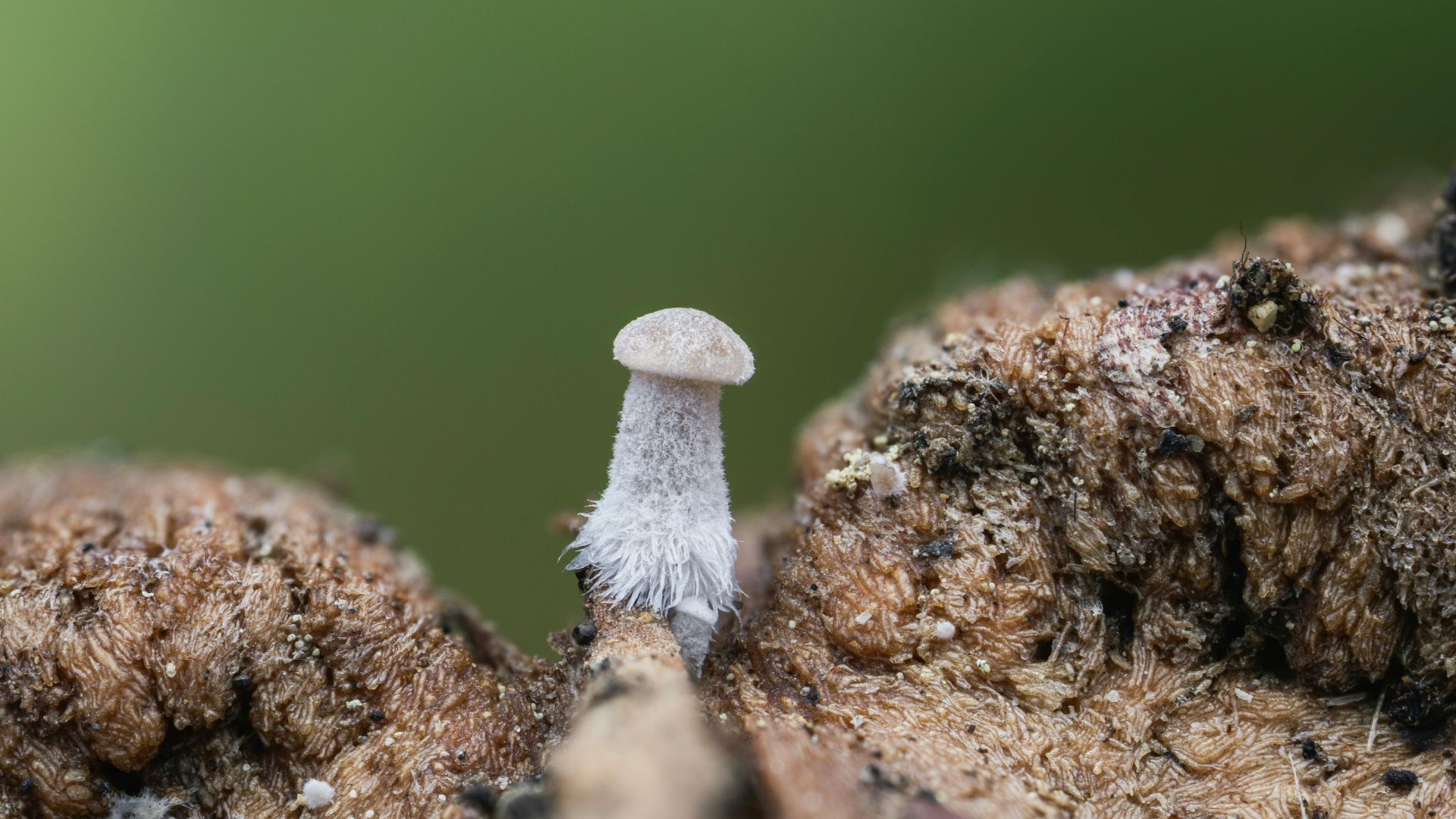
Reducing fungal growth on plants is essential for maintaining a healthy garden and ensuring vibrant vegetation. Fungal infections can indeed wreak havoc on plants, leading to stunted growth and unsightly leaves. Therefore, gardeners and horticulturists must understand the significance of effective environmental controls and cultural practices to combat these unwanted invaders.
In this article, we will delve into various strategies designed to reduce fungal growth on plants. Specifically, we will explore environmental conditions that promote fungal issues, as well as cultural practices that can be implemented to create a healthier growing environment. Furthermore, we will discuss practical tips and techniques that empower you to take action against fungal threats, ultimately leading to a flourishing garden. By the end, you will be equipped with the knowledge necessary to safeguard your plants and enhance their resilience.
Understanding Fungal Growth in Plants
Understanding the dynamics of fungal growth in plants is essential for effective gardening. Fungi are ubiquitous in nature, thriving under specific conditions that often arise in gardens. These microorganisms can cause various diseases, which can quickly spread and lead to significant damage if not addressed promptly. Therefore, understanding what leads to fungal growth and how to spot infections is crucial for any gardener looking to maintain a healthy yard. By recognizing the signs and implementing preventative measures, gardeners can create an environment that minimizes the risk of fungal diseases.
What Causes Fungal Growth?
Fungal growth primarily occurs in warm, moist environments. Consequently, overwatering or poor drainage can create ideal conditions for fungi to thrive. Furthermore, dense plantings that reduce airflow around plants can trap humidity, further promoting fungal diseases. For instance, species like powdery mildew flourish in these conditions, leading to white, powdery spots on leaves. Additionally, using infected soil or plant material can introduce fungi into your garden, creating a cycle that is hard to break. To combat these issues, ensure proper spacing between plants and implement regular watering practices that avoid excessive moisture accumulation. Moreover, consider using mulch to regulate soil temperature and moisture levels, which can help deter fungal growth. By understanding these environmental factors, gardeners can take proactive steps to create less hospitable conditions for fungi.
Identifying Fungal Infections
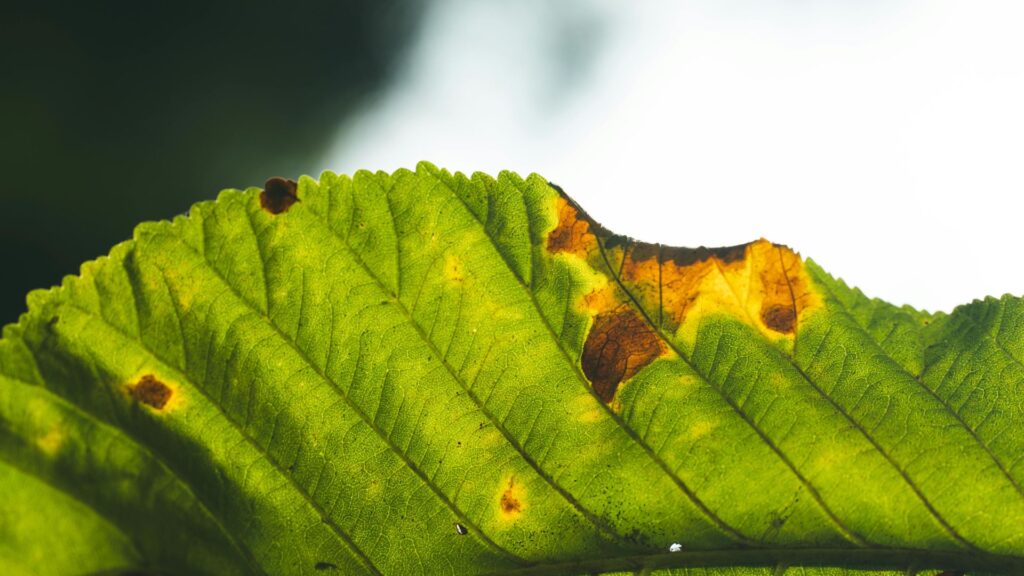
Recognizing fungal infections early is crucial for effective management. Symptoms often vary by species, but common signs include discoloration, wilting, and premature leaf drop. For example, rust fungi may present as orange or brown pustules on leaves, while root rot can cause plants to appear wilted despite adequate watering. Additionally, fungal infections can lead to unusual growths or blotches on stems and leaves. Therefore, regularly inspecting your plants is vital. If you suspect an infection, consult effective fungus prevention methods to mitigate the spread. Furthermore, you can gain insights on preventative measures by exploring the recommendations in this article from Rainbow Gardens. By staying vigilant and informed, you can protect your plants from the detrimental effects of fungal growth. Ultimately, early detection and prompt action can save your plants and ensure a thriving garden.
Environmental Controls for Reducing Fungal Growth
Effective environmental controls play a crucial role in reducing fungal growth, particularly in gardens and agricultural settings. Understanding how water management, light exposure, and air circulation impact the growth of fungi can empower gardeners to create healthier environments for their plants. By making informed adjustments to these factors, you can significantly minimize the risk of fungal diseases, which can devastate crops and ornamental plants alike. Moreover, fostering an environment that discourages fungal proliferation not only enhances plant health but also promotes overall garden productivity.
Water Management
Water management is a foundational aspect of controlling fungal growth. Overwatering can create soggy conditions that fungi thrive in, while inadequate drainage can exacerbate the problem. Therefore, it’s essential to monitor soil moisture and ensure proper drainage systems are in place. For example, incorporating raised beds can improve drainage and prevent water accumulation. Using drip irrigation or soaker hoses can also help deliver water directly to the plant roots without wetting the foliage. Consequently, this method reduces humidity levels around the plants, making it less conducive for fungal infections to develop. Additionally, employing moisture sensors can provide real-time data on soil conditions, allowing for more precise watering schedules.
Light and Air Circulation
Light and air circulation are equally important environmental controls in managing fungal growth. Fungi tend to flourish in shaded, humid areas where airflow is limited. By ensuring proper spacing between plants and positioning them to receive adequate sunlight, you can minimize moisture retention. For instance, orienting rows of plants to maximize sunlight exposure can be particularly effective. Additionally, pruning plants to improve airflow can help dry out any wet foliage more quickly. This practice not only reduces the likelihood of fungal infections but also promotes healthier plant growth overall. Furthermore, utilizing fans in greenhouses can enhance air circulation, further diminishing the chances of fungal outbreaks.
To illustrate the effectiveness of various environmental controls, the following table compares different strategies for managing fungal growth:
| Environmental Control | Description | Effectiveness |
|---|---|---|
| Water Management | Regulating soil moisture and drainage | High – prevents waterlogging |
| Air Circulation | Increasing airflow around plants | High – reduces humidity |
| Light Exposure | Ensuring adequate sunlight for plants | Medium – discourages fungi |
| Soil Health | Using disease-free soil and organic matter | High – improves plant resilience |
| Plant Spacing | Avoiding overcrowding to improve airflow | Medium – enhances light access |
Each of these strategies contributes to creating an environment that is less favorable for fungal growth. Thus, by implementing these environmental controls, gardeners and growers can achieve healthier plants and more productive gardens. For further insights on maintaining soil health, consider exploring the top strategies for preventing soil-borne diseases. By understanding and applying these principles, you can cultivate a thriving garden that withstands the challenges posed by fungal pathogens.
Cultural Practices to Manage Plant Fungi
Cultural practices play a pivotal role in fungi prevention and can significantly enhance the health of your plants. By adopting specific strategies, gardeners can create an environment that minimizes the risk of fungal infections. Two key practices include crop rotation and proper plant spacing, both of which contribute to a more resilient garden. Moreover, these practices not only help in managing fungal threats but also promote overall soil health and biodiversity, which are essential for sustainable gardening.
Crop Rotation and Diversity
Crop rotation is an effective cultural practice that disrupts the lifecycle of fungi. By alternating the types of crops planted in a specific area, you prevent fungi from establishing a stronghold in the soil. For example, if you plant tomatoes, which are susceptible to certain fungal diseases, follow them with a crop that is not related, like beans. This not only helps in fungi prevention but also enriches the soil by varying nutrient demands. Additionally, incorporating diverse plant species can confuse pathogens and reduce their spread. For instance, planting marigolds alongside vegetables can deter certain pests and fungi. Therefore, embracing diversity in your garden is a simple yet powerful strategy to combat fungal threats while enhancing the ecosystem.
Proper Plant Spacing
Proper plant spacing is another essential cultural practice that significantly affects air circulation around plants. When plants are too close together, humidity levels rise, creating a perfect environment for fungi to flourish. For instance, spacing your plants adequately allows for better airflow, which helps to keep foliage dry and less susceptible to diseases like downy mildew and powdery mildew. Ideally, ensure that you follow the recommended spacing guidelines specific to each plant species. Furthermore, consider the growth habits of plants; taller plants may shade shorter ones, leading to increased moisture retention. By taking these steps, you not only improve the health of your plants but also facilitate easier access for maintenance tasks, such as pruning and harvesting.
Incorporating these cultural practices into your gardening routine can lead to healthier plants and a more vibrant garden. By being proactive and informed, you can protect your plants against fungi and promote a thriving ecosystem. For further insights on managing fungal diseases naturally, check out 4 Natural Remedies to Get Rid of Fungal Disease in Your Plants. Ultimately, the integration of these practices will not only safeguard your plants but also contribute to a sustainable gardening approach that benefits the environment.
Comparative Effectiveness of Treatments for Fungal Infections
Fungal infections present a significant challenge for plant health, requiring effective treatments to mitigate their impact. When exploring treatment options, it is crucial to compare both natural remedies and chemical treatments. Each approach has its unique benefits and drawbacks, influencing not only the immediate effectiveness against the infection but also the long-term health of the plants. For instance, while chemical treatments may offer rapid results, their potential side effects on the environment and plant vitality should not be overlooked. Additionally, the choice of treatment can affect the surrounding ecosystem, including beneficial insects and soil microorganisms. Therefore, understanding these differences can help gardeners make informed decisions that align with their gardening philosophy and environmental considerations.
The following table summarizes the effectiveness of various treatments for fungal infections, allowing for a clearer comparison of their attributes:
| Treatment Type | Effectiveness | Impact on Plant Health |
|---|---|---|
| Natural Remedies | Moderate | Generally positive |
| Chemical Treatments | High | Potentially harmful |
| Biological Control | Moderate | Positive, sustainable |
| Cultural Practices | Variable | Highly positive |
Natural Remedies vs Chemical Treatments
Natural remedies, such as neem oil or baking soda, can be effective for treating fungal infections with a lower risk to plant health. These treatments often enhance the resilience of plants, fostering a healthier ecosystem. For example, neem oil not only targets fungal pathogens but also deters pests, creating a dual benefit. However, their effectiveness might be slower compared to chemical treatments, which can provide immediate results. Conversely, chemical treatments typically offer rapid results but can lead to adverse effects on soil microorganisms and overall plant vitality. Thus, while chemical options may offer a quick fix, integrating natural remedies could be more beneficial for long-term plant health, as they promote a balanced ecosystem.
Long-term Effects on Plant Health
The long-term effects of treatment methods on plant health are crucial for sustainable gardening practices. For example, while chemical treatments might eliminate fungal infections quickly, they can disrupt beneficial soil organisms and lead to resistance issues, making future infections harder to control. In contrast, methods like cultural practices—such as crop rotation or proper spacing—can significantly enhance soil health and plant resilience over time. These practices not only reduce the likelihood of fungal outbreaks but also improve overall plant vigor. Consequently, integrating a combination of these approaches often yields the best results, promoting both immediate recovery from fungal infections and lasting benefits for plant health. By adopting a holistic approach, gardeners can create a thriving environment that minimizes the risk of future fungal infections while ensuring the longevity of their plants.
Soil Management for Fungal Prevention
Soil management plays a crucial role in preventing fungal growth that can devastate plants. Healthy soil fosters strong root systems and enhances plant resilience, thereby reducing the likelihood of fungal diseases. When soil is properly managed, it not only promotes plant health but also creates an environment less conducive to fungal proliferation. For example, well-aerated soil allows for better drainage, thus helping to minimize excess moisture that fungi thrive on. Additionally, the incorporation of organic matter can improve soil structure, further enhancing its ability to resist fungal infections. Consequently, understanding the connection between soil health and fungal growth is essential for any gardener aiming for a thriving garden. By prioritizing soil management practices, gardeners can significantly reduce the risk of fungal diseases and promote a more sustainable gardening environment.
Soil Health and Fungal Growth
Soil health directly influences the presence of fungi. Healthy soil is rich in organic matter and beneficial microorganisms that can outcompete harmful fungi for resources. For instance, the presence of mycorrhizal fungi can enhance nutrient uptake for plants while simultaneously inhibiting pathogenic fungi. Moreover, maintaining proper pH levels is vital; most fungi prefer slightly acidic conditions, which can lead to increased fungal activity if not monitored. Regular soil testing can help determine if amendments are needed to create a more balanced ecosystem. Therefore, prioritizing soil health not only supports plant growth but also serves as a preventive measure against fungal issues. Furthermore, implementing practices such as mulching can help regulate soil temperature and moisture levels, creating an even less favorable environment for fungal growth.
Amendments to Improve Soil
To bolster soil health and reduce fungal growth, consider using specific amendments. Organic matter, such as compost, is invaluable as it improves soil structure and nutrient content. Additionally, incorporating amendments like perlite or vermiculite enhances aeration and drainage, creating a less favorable environment for fungal pathogens. Moreover, adding lime can help raise soil pH, making conditions less hospitable for many fungi. For ongoing support, regularly practice crop rotation and use cover crops to improve soil health over time. These practices not only enhance soil fertility but also disrupt the life cycles of potential fungal pathogens. For those looking for more comprehensive strategies, controlling fungal issues and mite problems early on can set the stage for healthier plants. Lastly, you can explore resources like A Guide to Fungus and Houseplants for more information on managing fungal issues in various settings. By integrating these soil management techniques, gardeners can create a robust foundation for plant health and significantly mitigate the risks associated with fungal diseases.
Bringing It All Together
To summarize, effectively reducing fungal growth on plants requires a proactive approach to garden care. Key strategies include ensuring adequate air circulation, managing moisture levels, and adopting disease-resistant plant varieties. By understanding the environmental conditions that encourage fungal infections, you can take significant steps to mitigate their impact. Moreover, integrating practices such as crop rotation and proper sanitation can further enhance your garden’s resilience against these unwelcome invaders. For example, rotating crops annually can disrupt the life cycles of fungi, while regularly cleaning tools and removing debris minimizes the risk of spreading spores.
Ultimately, the value of implementing these practices cannot be overstated. A healthy garden not only thrives but also becomes a sanctuary for beneficial organisms, creating a balanced ecosystem. Therefore, make it a priority to regularly assess your gardening techniques and environmental factors to foster a thriving plant community. This ongoing evaluation allows you to adapt your strategies based on seasonal changes and emerging fungal threats.
Finally, as you embrace these strategies, remember that garden care is an ongoing journey. Stay informed about the latest developments in plant health and fungal management to ensure your garden remains vibrant and flourishing for years to come. Engaging with local gardening groups or online forums can provide valuable insights and support. Take action today; your plants will thank you for it!