Introduction to Safe Pest Removal Methods
In today’s world, the importance of safe pest removal cannot be overstated. As we strive to maintain a healthy and sustainable environment, traditional pest control methods often raise concerns due to their harmful chemicals and negative impact on ecosystems. Consequently, more people are seeking eco-friendly techniques that not only effectively manage pests but also prioritize the safety of both humans and wildlife. By adopting these safe methods, you can eliminate unwanted insects while minimizing your ecological footprint.
This article will explore various safe pest removal techniques, highlighting eco-friendly approaches that yield effective results. Specifically, we will discuss natural remedies, preventive measures, and innovative strategies that can help you combat pest issues without compromising safety. Moreover, you will discover practical tips for implementing these techniques in your home or garden. Thus, you can ensure a pest-free space that is also kind to the planet. Get ready to transform your pest control practices with these sustainable solutions and embrace a healthier environment for all!
Understanding Safe Pest Removal: The Basics
Safe pest removal is an essential aspect of maintaining a healthy living environment while being mindful of ecological impacts. It involves using strategies that effectively manage pest populations without relying on harmful chemicals. For instance, utilizing traps, natural repellents, or even beneficial insects can significantly reduce pest issues. Moreover, one of the key principles of safe pest removal is prevention. This can include sealing entry points, maintaining cleanliness, and removing food sources to deter pests from invading your space. By focusing on these methods, homeowners can ensure they are not only removing pests but also safeguarding their surroundings and promoting a healthier ecosystem.
What is Safe Pest Removal?
Safe pest removal refers to techniques that prioritize both effectiveness and environmental responsibility. This can include a variety of approaches, such as using diatomaceous earth, which targets insects while being safe for pets and humans. Additionally, essential oils like peppermint or tea tree oil can deter pests naturally without leaving toxic residues. To illustrate, rather than using chemical sprays that pose risks to health and the environment, you might consider creating a barrier with these natural substances. Furthermore, integrating physical barriers like screens or nets can enhance your pest control efforts. Thus, safe pest removal is not just about eradication; it’s about doing so in a way that aligns with sustainable living principles and respects the natural balance of your environment.
The Importance of Eco-Friendly Techniques
The importance of eco-friendly techniques in pest removal cannot be understated. First and foremost, these methods contribute to a healthier ecosystem. For example, they help maintain the balance of local wildlife by avoiding the introduction of harmful chemicals. Consequently, employing eco-friendly techniques can prevent soil and water contamination, ensuring that we preserve our natural resources for future generations. Additionally, these methods often reduce the likelihood of pest resistance, a common issue with chemical treatments. Indeed, by choosing eco-friendly pest removal methods, you not only protect your home but also play a part in fostering a more sustainable environment. Moreover, adopting these practices can lead to long-term cost savings, as they often require fewer applications and less reliance on commercial pest control services. Thus, eco-friendly pest removal is a win-win solution for both homeowners and the planet.
Comparing Eco-Friendly Pest Removal Methods
Understanding the various eco-friendly pest removal methods available is essential for making informed choices that prioritize safety and effectiveness. Each method has its unique benefits and challenges, making it crucial to compare them to find the right fit for your needs. Here, we will explore a selection of non-toxic solutions, highlighting their effectiveness and potential drawbacks. By doing so, you can better understand which safe methods might work best for your pest control efforts, ensuring a healthier environment for both your family and the ecosystem.
Overview of Non-Toxic Solutions
Several eco-friendly pest removal techniques are gaining popularity for their effectiveness and minimal environmental impact. For example, natural repellents like essential oils can deter insects without causing harm to the ecosystem. These oils, such as peppermint and citronella, not only repel pests but also leave a pleasant scent. Additionally, traps and barriers can physically prevent pests from entering your home or garden, providing a straightforward approach to pest management. Furthermore, introducing beneficial insects, such as ladybugs and lacewings, can help control pest populations naturally by preying on harmful insects. Each of these methods offers a unique approach to pest control that is both safe and environmentally friendly, allowing you to choose the best fit for your specific situation.
Pros and Cons of Each Method
To help you navigate the various eco-friendly pest removal options, the following table compares their main features, including effectiveness, safety, and ease of use. By examining these factors, you can make a more informed choice that aligns with your pest control goals.
| Method | Effectiveness | Safety | Ease of Use |
|---|---|---|---|
| Natural Repellents | Moderate | High | Easy |
| Traps | High | High | Moderate |
| Beneficial Insects | High | Very High | Moderate |
| Diatomaceous Earth | Moderate | High | Easy |
| Essential Oils | Moderate | High | Easy |
Each method has its advantages and disadvantages. For instance, while natural repellents are easy to use, they may not be as effective against severe infestations. Traps can be very effective but require consistent monitoring and maintenance to ensure they remain effective. Introducing beneficial insects is a sustainable solution, but it may take time to see results, as these insects need to establish themselves in the environment. Similarly, diatomaceous earth is straightforward to apply but may not be suitable for all pest types, particularly those that do not come into direct contact with it. Consequently, selecting the right eco-friendly pest removal method depends on the specific pest issue you are facing and your commitment to using non-toxic solutions. By carefully evaluating these options, you can create a pest management strategy that is both effective and environmentally responsible.
DIY Pest Control: Gentle Eviction Strategies
DIY pest control offers a sustainable way to deal with unwanted guests while embracing gentle pest eviction methods. By using natural pest deterrents, homeowners can effectively manage infestations without resorting to harmful chemicals. This approach not only protects the environment but also promotes a healthier living space. Whether it’s ants in the kitchen or spiders in the corners, there are practical solutions that anyone can implement. Moreover, these methods are often cost-effective and easy to prepare, making them accessible to everyone.
Creating Natural Pest Deterrents
To start, creating natural pest deterrents is both simple and effective. For example, a mixture of equal parts vinegar and water can repel ants and spiders when sprayed around entry points. Additionally, essential oils like peppermint or tea tree have potent properties that can deter various insects. You can mix a few drops of these oils with water in a spray bottle and apply them in areas where pests are commonly found. Furthermore, planting specific herbs like basil or mint around your home can create a natural barrier against many pests. Thus, these strategies not only work to keep pests at bay but also add a pleasant aroma to your surroundings. To illustrate, the scent of mint can be particularly effective in repelling rodents, making it a dual-purpose plant for your garden.
Step-by-Step DIY Techniques
Implementing step-by-step DIY techniques for gentle pest eviction can be highly rewarding. First, begin with cleanliness; ensure that food is stored in airtight containers and surfaces are free from crumbs. Subsequently, if you notice pests, set up traps using simple items like a bowl of soapy water to catch fruit flies. Moreover, you can create a homemade insect spray by blending garlic with water and straining the mixture. This solution can be sprayed directly on plants to ward off aphids and other garden pests. Additionally, for persistent infestations, consider introducing beneficial insects like ladybugs, which can naturally control aphid populations. By following these steps, you can maintain a pest-free environment while embracing eco-friendly practices. Furthermore, regularly monitoring your home for signs of pests can help you catch infestations early, allowing for quicker and more effective interventions. Thus, adopting these techniques not only protects your home but also contributes to a healthier ecosystem.
Case Studies: Successful Eco-Friendly Pest Removal
Eco-friendly pest removal is gaining traction as more individuals recognize the benefits of sustainable practices. These methods not only protect the environment but also prove effective in managing pest populations. To illustrate the success of these approaches, we’ll explore two case studies that highlight the effectiveness of organic pest control and environmentally safe techniques in various settings. By examining these real-life examples, you can gain insights into how to implement similar strategies in your own situation, ultimately contributing to a healthier ecosystem.
Case Study 1: Organic Pest Control in Gardens
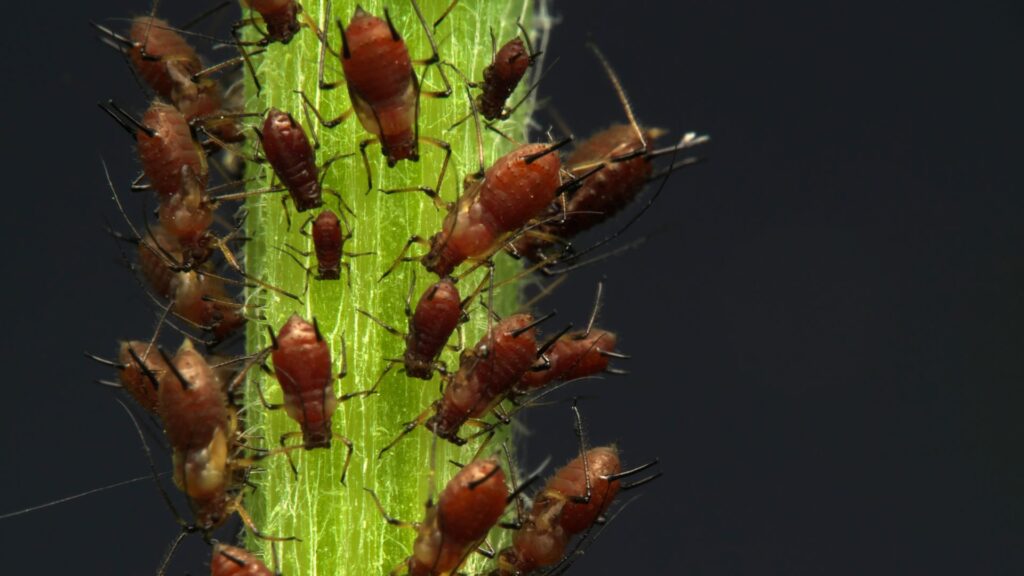
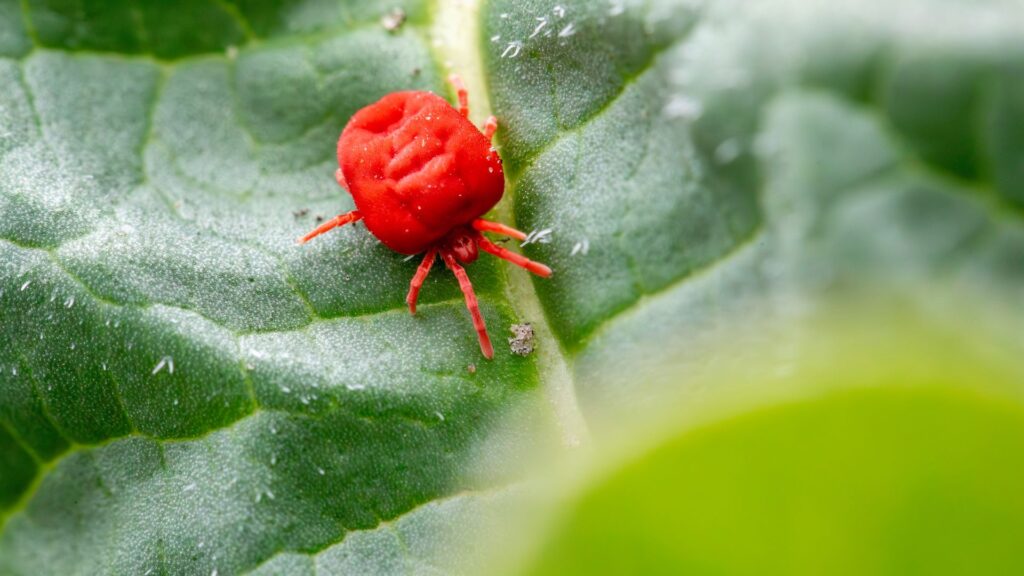
In a community garden in California, a group of urban gardeners faced an invasion of aphids and spider mites. Rather than resorting to chemical pesticides, they opted for organic pest control methods. They introduced beneficial insects, such as ladybugs and lacewings, which naturally prey on aphids. Additionally, they used neem oil, a plant-based pesticide, to deter spider mites. Consequently, these sustainable practices not only resolved the pest issue but also increased the overall biodiversity of the garden. This case demonstrates how organic pest control can effectively manage pest populations while promoting a healthier ecosystem. Moreover, the gardeners reported that the presence of beneficial insects led to improved pollination, which further enhanced their crop yield.
Case Study 2: Environmentally Safe Methods for Indoor Pests
A family living in a historic home in New England struggled with a recurring mouse problem. Instead of using harmful rodenticides, they implemented several environmentally safe methods. First, they sealed all entry points, preventing mice from entering the home. Furthermore, they placed peppermint oil-soaked cotton balls in strategic locations, as the scent naturally repels rodents. To illustrate the effectiveness of these techniques, the family reported a significant reduction in mouse sightings within weeks. This highlights that environmentally safe methods can effectively address indoor pest problems without jeopardizing the health of residents or pets. Additionally, they adopted a routine of regular cleaning and decluttering, which further discouraged rodent activity.
In both case studies, the focus on eco-friendly approaches proved successful. By embracing sustainable practices, individuals can manage pest issues effectively while contributing to a healthier planet. Whether you’re dealing with garden pests or indoor nuisances, consider implementing organic pest control methods to achieve lasting results. More importantly, these strategies not only solve the immediate problem but also encourage a more sustainable relationship with the environment. Consequently, adopting eco-friendly pest removal techniques can lead to a ripple effect, inspiring others in your community to follow suit and prioritize the health of our planet.
User Testimonials: Experiences with Safe Pest Removal
User testimonials provide valuable insights into the effectiveness and user experiences associated with environmentally friendly pest eviction methods. Many individuals have shared their stories, highlighting how safe insect management techniques have transformed their approach to pest control. These accounts not only reflect personal satisfaction but also showcase the varying outcomes of different methods. Below is a table summarizing user testimonials and ratings for various eco-friendly pest removal methods.
| Method | User Experience | Rating (out of 5) |
|---|---|---|
| Diatomaceous Earth | “Incredible results! I noticed a significant reduction in ants within days.” | 5 |
| Essential Oil Sprays | “The scent was delightful, and it kept the mosquitoes away during summer.” | 4 |
| Traps for Rodents | “Easy to set up and highly effective. No chemicals involved!” | 4.5 |
| Beneficial Insects | “I loved seeing ladybugs in my garden, and they worked wonders on aphids.” | 5 |
| Natural Repellents | “It took longer than expected, but it was worth it for peace of mind!” | 3.5 |
Positive Outcomes from Eco-Friendly Techniques
Many users have reported positive outcomes when utilizing safe pest removal methods. For instance, the use of diatomaceous earth has garnered high praise for its effectiveness against various pests. Consequently, individuals appreciate the absence of harsh chemicals, reinforcing their commitment to environmentally friendly pest eviction. Furthermore, essential oil sprays not only serve a functional purpose but also enhance the ambiance of living spaces. This dual benefit underscores how safe insect management can align with personal preferences and lifestyle choices. Additionally, users often express a sense of relief knowing they are contributing to a healthier environment while effectively managing pest issues.
Challenges Faced by Users
Despite the numerous benefits, some challenges arise when implementing eco-friendly pest control methods. For example, while natural repellents are safer, they may require more frequent applications compared to traditional chemicals. Moreover, users sometimes express frustration regarding the time it takes for these methods to yield results. However, many agree that the advantages of using non-toxic solutions outweigh these minor inconveniences. Therefore, while there may be hurdles, the commitment to sustainable pest management is evident in the user experiences shared. Furthermore, some users have noted that initial costs for eco-friendly products can be higher, yet they find the long-term benefits and peace of mind to be worth the investment.
Overall User Satisfaction
Overall, user satisfaction with eco-friendly pest removal methods is notably high. Many testimonials highlight not only the effectiveness of these techniques but also the positive impact on their living environments. Users frequently mention a newfound confidence in managing pest issues without resorting to harmful chemicals, which aligns with their values of sustainability and health. Consequently, these testimonials serve as a powerful reminder that safe pest removal methods can lead to both effective pest control and a more harmonious relationship with nature.
Best Practices for Sustainable Pest Management
Best practices for sustainable pest management involve a proactive and holistic approach that emphasizes prevention, eco-friendliness, and the use of effective, non-toxic pest control methods. These strategies not only help in managing pest populations but also in preserving the delicate balance of local ecosystems. By adopting sustainable pest management solutions, individuals can create a healthier environment for themselves and future generations. Furthermore, these practices contribute to the overall well-being of the community, as they reduce reliance on harmful chemicals that can contaminate soil and water sources.
Integrating Safe Methods into Your Routine
To successfully incorporate sustainable pest management into your daily life, begin by evaluating your current practices. First, consider using natural deterrents, like essential oils or vinegar sprays, which are effective in repelling pests without harmful side effects. For example, peppermint oil is known to deter ants and spiders, while citrus oils can repel mosquitoes. Moreover, regular cleaning and decluttering can significantly reduce pest habitats, as many insects thrive in disorganized spaces. Additionally, installing physical barriers such as screens and seals can prevent pests from entering your home. By establishing these non-toxic pest control methods as part of your routine, you create an environment that discourages infestations while promoting safety and sustainability. This proactive approach not only protects your home but also fosters a sense of responsibility towards the environment.
Long-Term Strategies for Pest Prevention
In addition to immediate actions, long-term strategies are vital for sustainable pest management. For example, fostering biodiversity in your garden can attract beneficial insects that naturally control pest populations. Planting flowers that attract pollinators and predatory insects helps maintain a balanced ecosystem. Similarly, practicing crop rotation if you garden can disrupt pest life cycles, reducing their chances of thriving. Moreover, educating yourself about seasonal pest patterns can prepare you for potential invasions, allowing for timely interventions. Consequently, with consistent effort and informed strategies, you can establish an effective and sustainable pest management system tailored to your specific environment. Additionally, engaging with local gardening communities can provide valuable insights and support, further enhancing your pest management efforts. By sharing experiences and solutions, you can collectively contribute to a healthier ecosystem in your area.
Watch the Video

Maurice Buffer is a plant care researcher and horticulture writer at Flinkool. He focuses on plant health, pest prevention, and practical cultivation techniques that help gardeners grow healthier plants.