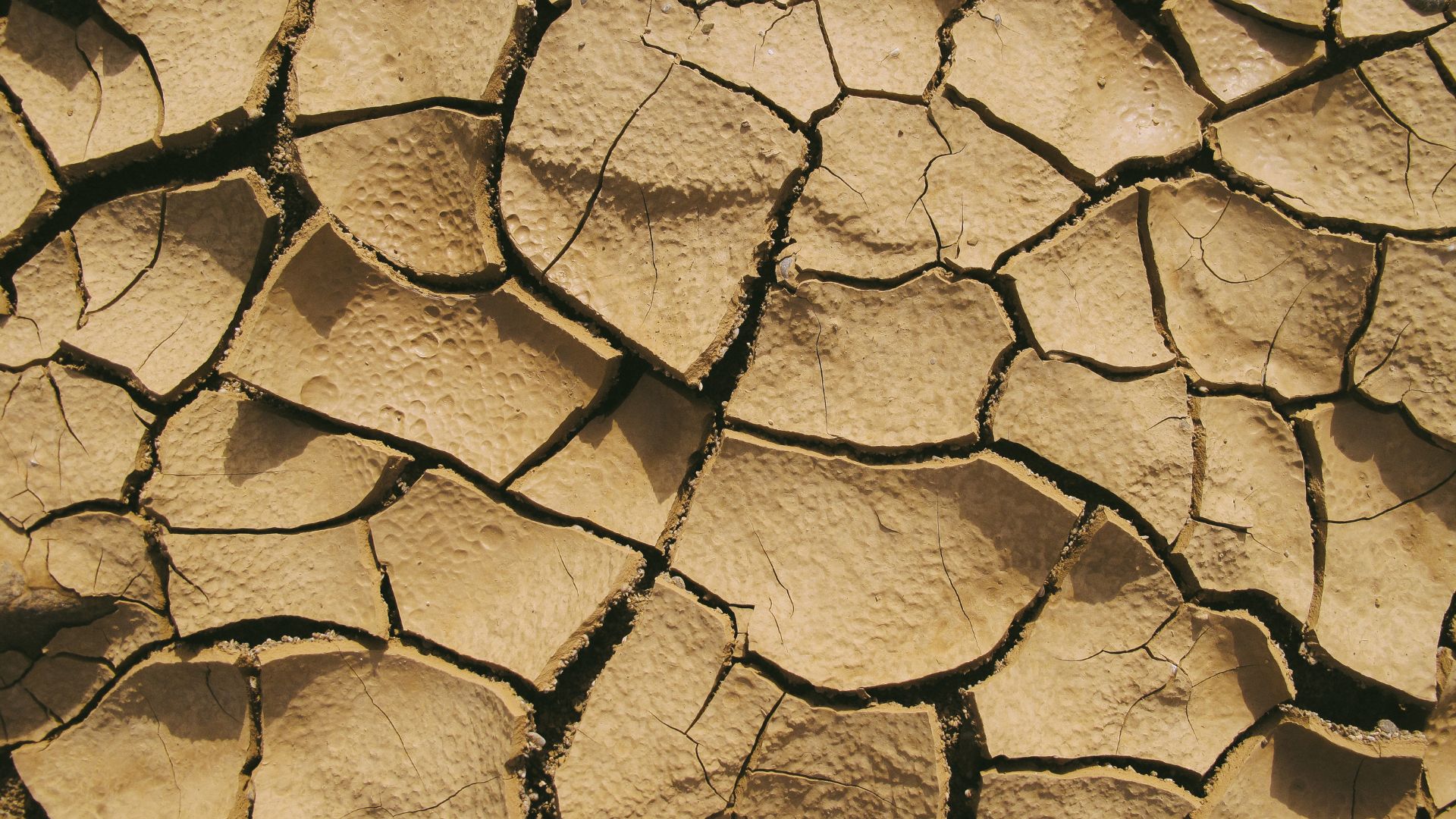
Effective soil management is essential for disease prevention in any gardening or agricultural endeavor. By nurturing the soil, you not only create a thriving environment for plants but also establish a natural barrier against harmful pathogens. Techniques such as composting, aeration, and crop rotation play a significant role in enhancing soil health. Consequently, healthier soil leads to stronger plants that can resist diseases more effectively and yield better harvests.
In this article, we will delve into the various methods of soil management that can help build disease-suppressive soil. Specifically, we will explore the benefits of composting, which enriches the soil with nutrients and beneficial microorganisms, and how proper aeration can improve soil structure and drainage. Additionally, we will discuss the overall impact these practices have on disease prevention. Furthermore, we will provide practical tips that you can implement to ensure your soil remains healthy and resilient, ultimately supporting a thriving garden or farm while minimizing the risk of disease outbreaks.
Understanding Soil Management for Disease Prevention
Effective soil management encompasses a variety of practices aimed at maintaining and enhancing soil health. It involves understanding soil properties, nutrient management, and implementing techniques that support the ecosystem. By prioritizing soil management, you create a fertile environment that not only supports plant growth but also minimizes the risk of diseases. This proactive approach is essential for any gardener or farmer aiming to cultivate healthy crops. Moreover, the benefits of effective soil management extend beyond immediate plant health; they contribute to long-term sustainability and resilience in agricultural systems.
Soil management refers to the deliberate practices employed to maintain and improve soil quality. This includes methods such as crop rotation, cover cropping, and the application of organic amendments like compost. Each of these strategies contributes to soil structure, nutrient availability, and microbial activity. For instance, crop rotation helps disrupt disease cycles by varying the types of crops grown in a particular area, thus preventing pathogens from establishing themselves. Additionally, cover crops can enhance soil fertility and prevent erosion, which further supports a healthy growing environment. Consequently, effective soil management can significantly reduce the incidence of plant diseases, leading to more robust and productive crops.
The Role of Soil in Plant Health
Soil health is critical to plant vitality and directly influences disease prevention. Healthy soils boast a rich diversity of microorganisms that compete with and suppress harmful pathogens. Moreover, well-structured soil improves water retention and nutrient absorption, ensuring that plants receive the necessary resources for growth. For example, maintaining adequate organic matter through composting enhances soil aeration and moisture retention, which, in turn, promotes robust root systems. Therefore, investing in soil health not only leads to stronger plants but also establishes a natural defense against diseases.
Furthermore, understanding the interplay between soil management and plant health is vital. You can explore top strategies for preventing soil-borne diseases to further enhance your soil management practices. By incorporating these strategies, you will foster a more resilient garden or farm, ultimately leading to better disease prevention and crop yields. Additionally, regular soil testing can provide insights into nutrient deficiencies and pH levels, allowing for more tailored management practices that further enhance soil health and productivity.
Key Techniques in Soil Management: Composting and Aeration
Composting and aeration are two key techniques in soil management that can significantly enhance soil health. By integrating these methods, gardeners and farmers can create a more resilient ecosystem for their plants. Composting enriches the soil with organic matter, while aeration ensures that air and nutrients can penetrate effectively. Together, they support microbial activity and improve water retention, ultimately leading to healthier plants. Understanding the specific benefits of each technique is crucial for maximizing their effectiveness in promoting soil health and preventing disease.
Benefits of Composting
Composting is a powerful method for improving soil health. It recycles organic waste, transforming it into nutrient-rich compost that enriches the soil. This process not only enhances soil fertility but also promotes beneficial microbial activity, which is crucial for disease suppression. For instance, the microorganisms present in compost can outcompete harmful pathogens, thereby reducing their prevalence in the soil. Moreover, compost increases soil structure, leading to better drainage and aeration. As a result, plants experience less stress and are more capable of resisting diseases. Therefore, incorporating compost into your soil management practices can yield remarkable benefits for crop health and productivity. Additionally, composting helps in reducing landfill waste, making it an environmentally friendly practice.
Importance of Aeration
Aeration is another vital technique that enhances soil health. By creating small holes in the soil, aeration allows oxygen to reach plant roots, promoting healthy growth. This influx of oxygen is essential for root respiration and overall plant vigor. Additionally, aeration facilitates the movement of water and nutrients, thus improving overall soil structure. Without sufficient aeration, soil can become compacted, limiting root development and increasing the risk of disease. Consequently, implementing aeration techniques, such as core aeration or using aeration tools, can dramatically improve the resilience of your plants against pathogens. Furthermore, regular aeration can help alleviate soil compaction caused by heavy machinery or foot traffic, ensuring a healthier growing environment.
To better understand the distinct advantages of composting and aeration, refer to the table below:
| Technique | Benefits |
|---|---|
| Composting | Enriches soil with nutrients, enhances microbial activity, improves soil structure, reduces waste. |
| Aeration | Increases oxygen availability, improves water and nutrient movement, reduces soil compaction, enhances root growth. |
Both composting and aeration are essential for fostering a healthy soil environment. By employing these techniques, you can significantly enhance your garden’s resilience against disease. Moreover, the combination of composting and aeration creates a synergistic effect that maximizes soil health. For more insights into maintaining healthy soil, consider exploring effective prevention techniques. Adopting these practices not only benefits individual plants but also contributes to a sustainable agricultural ecosystem.
The Impact of Microbial Life on Soil Health
Microbial life plays a crucial role in maintaining soil health, acting as a foundation for nutrient cycling and disease suppression. Beneficial microbes, such as bacteria and fungi, help break down organic matter, releasing vital nutrients that plants need to thrive. These microorganisms establish symbiotic relationships with plant roots, enhancing their ability to absorb water and nutrients. Moreover, they produce natural antibiotics and other compounds that inhibit the growth of harmful pathogens, effectively acting as a defense system for the soil. In this way, a healthy population of beneficial microbes is essential for creating a resilient ecosystem. Furthermore, the interactions among various microbial species contribute to a balanced soil environment, which is critical for sustaining plant health and productivity over time.
The significance of microbial life extends beyond mere nutrient cycling; it also influences soil structure and aeration. Healthy microbial communities help bind soil particles together, improving soil aggregation and porosity. This enhanced structure allows for better water infiltration and root penetration, ultimately benefiting plant growth. Consequently, the presence of diverse microbial life is not just beneficial but essential for maintaining the overall health and functionality of soil ecosystems.
Beneficial Microbes and Their Functions
Beneficial microbes serve multiple functions that contribute to soil health. For example, mycorrhizal fungi form partnerships with plant roots, increasing the surface area for nutrient absorption while also helping plants tolerate stress. Similarly, nitrogen-fixing bacteria convert atmospheric nitrogen into forms that plants can utilize, thus enriching the soil. Additionally, certain beneficial bacteria can degrade toxins and organic pollutants, further improving soil quality. Furthermore, these microbes can enhance the availability of micronutrients, which are vital for various physiological processes in plants. Consequently, fostering a diverse microbial community not only supports plant growth but also enhances the overall resilience of the soil against diseases. To delve deeper into this topic, you can explore the insights in The Golden Goal of Soil Management: Disease-Suppressive Soils.
Maintaining Microbial Diversity
Maintaining microbial diversity is vital for promoting a healthy soil ecosystem. Practices such as crop rotation, cover cropping, and organic amendments can significantly enhance microbial populations. For instance, rotating crops disrupts the life cycles of harmful pathogens, while cover crops provide organic matter that feeds beneficial microbes. Additionally, avoiding synthetic fertilizers and pesticides is crucial, as these chemicals can negatively impact microbial communities. Moreover, incorporating compost not only adds nutrients but also introduces a variety of beneficial microorganisms that can thrive in the soil. Furthermore, encouraging natural habitats, like compost piles or mulched areas, can help sustain diverse microbial populations. Thus, a proactive approach to maintaining microbial diversity will lead to improved soil health and greater disease resilience. By fostering an environment where beneficial microbes can flourish, gardeners and farmers can create a sustainable system that supports both plant health and soil vitality.
Case Studies: Successful Soil Management Practices
Successful soil management practices can greatly influence agricultural productivity and disease resistance. In this section, we’ll highlight two case studies showcasing the positive effects of composting and aeration on soil health. These strategies not only improve soil quality but also contribute to creating a more resilient ecosystem. By examining these case studies, we can gain insights into practical implementations that have proven effective in various agricultural settings. Furthermore, understanding the specific outcomes of these practices can inspire farmers and gardeners to adopt similar techniques, ultimately leading to healthier crops and reduced disease prevalence.
Case Study 1: Composting Success
One notable case study on composting involved a community garden in a suburban area. By integrating composting into their soil management practices, the gardeners observed a significant increase in soil organic matter, which improved nutrient retention. Consequently, the garden’s overall plant health improved, with a 30% reduction in disease incidence among crops. This demonstrates that successful soil management through composting can enhance both soil quality and plant resilience. Additionally, the composting process helped foster a diverse microbial community, which plays a crucial role in suppressing soil-borne pathogens. This case illustrates how composting not only enriches the soil but also creates a thriving ecosystem that supports plant health.
Case Study 2: Aeration Impact
In a different agricultural setting, a farm implemented regular soil aeration practices to combat compaction issues. The results were remarkable; aeration led to improved root penetration and increased microbial activity in the soil. As a result, the farm reported a 25% increase in crop yields and a notable reduction in waterlogging. This case study emphasizes that proper aeration is a crucial aspect of successful soil management, highlighting its role in promoting healthier soil ecosystems. Moreover, the enhanced soil structure facilitated better drainage and air circulation, which are vital for root development and overall plant vitality. This example underscores the importance of addressing soil compaction to optimize agricultural productivity.
The following table summarizes the results from these case studies, illustrating the tangible benefits of composting and aeration.
| Practice | Benefits | Results |
|---|---|---|
| Composting | Increased organic matter | 30% reduction in disease incidence |
| Aeration | Improved root development | 25% increase in crop yields |
These case studies reinforce the importance of adopting successful soil management practices like composting and aeration. By implementing such strategies, farmers and gardeners can cultivate healthier soils and enhance their resistance to diseases. Additionally, these practices contribute to sustainable agricultural systems by promoting biodiversity and improving soil structure. For further insights into managing soil-borne diseases, you can explore practical strategies in the article on Preventing Soil-Borne Pathogens and Diseases in Crop Management.
Sustainable Practices for Disease-Suppressive Soil
Sustainable practices play a crucial role in developing disease-suppressive soil. By focusing on strategies that enhance soil health, gardeners and farmers can create environments that naturally fend off pathogens. Two essential methods in this pursuit are crop rotation and the application of organic matter. Both approaches contribute significantly to improving soil resilience and reducing disease prevalence while promoting sustainability. Additionally, these practices not only benefit individual crops but also contribute to the overall health of the ecosystem, fostering a balanced environment that supports diverse plant and microbial life.
Moreover, the integration of sustainable practices can lead to long-term improvements in soil quality. For instance, healthy soil can store more carbon, helping mitigate climate change while simultaneously enhancing crop productivity. This dual benefit underscores the importance of adopting sustainable practices in agricultural systems. By implementing these methods, farmers and gardeners can create a self-sustaining cycle that promotes both plant health and environmental stewardship.
Crop Rotation Benefits
Crop rotation is a time-tested practice that involves alternating different crops in the same area over various growing seasons. This method disrupts the life cycles of soil-borne diseases, as different crops host different pathogens. For example, rotating a legume with a cereal crop can improve soil nitrogen levels while reducing the likelihood of disease establishment that targets specific crops. Moreover, this practice can enhance biodiversity, which in turn supports beneficial microorganisms that suppress diseases. Additionally, crop rotation can help manage pest populations by breaking their life cycles, further contributing to healthier plants. Hence, integrating crop rotation into your farming plan is a sustainable practice that leads to healthier soil and plants.
Organic Soil Amendments
Incorporating organic matter into the soil is another effective way to build disease-suppressive soil. Organic amendments, such as compost or well-rotted manure, enrich the soil with nutrients and improve its structure. This enhanced soil structure promotes better aeration and drainage, which are vital for healthy root development. Furthermore, organic matter supports a diverse microbial community that can outcompete harmful pathogens. To illustrate, adding compost not only nourishes plants but also encourages beneficial microbes that help suppress diseases. Additionally, organic amendments can improve moisture retention, reducing the need for frequent irrigation and promoting water conservation. Therefore, prioritizing organic amendments in your soil management strategy is essential for fostering resilience against diseases.
By implementing these sustainable practices, you can significantly enhance the health of your soil. Remember, ensuring your soil is robust and well-managed is key to preventing issues like root rot and other soil-borne diseases. For more insights on this topic, consider understanding root rot and soil-borne diseases.
Bringing It All Together: The Path to Disease-Suppressive Soil
Ultimately, the path to disease-suppressive soil lies in effective soil management techniques that prioritize health and resilience. By adopting practices such as composting, aeration, and crop rotation, you create an environment that not only nurtures plant growth but also acts as a formidable barrier against disease. These techniques enhance soil structure and microbial activity, making it easier for plants to thrive while reducing the risk of disease. For instance, composting enriches the soil with essential nutrients and beneficial microorganisms, which can outcompete harmful pathogens.
To summarize, investing time and effort into soil management is crucial for anyone looking to prevent disease in their garden or agricultural endeavors. The benefits extend beyond just plant health; they contribute to a sustainable ecosystem that fosters biodiversity and soil fertility. Moreover, healthy soil can improve water retention and reduce erosion, further supporting plant vitality. Therefore, consider implementing these practices in your own gardening or farming routine, as they will yield long-term benefits.
Finally, as we look to the future, the importance of disease prevention through proactive soil management will only grow. Embrace these strategies today, and pave the way for a healthier, more resilient garden tomorrow. Your plants—and the environment—will undoubtedly thank you for it. By fostering disease-suppressive soil, you not only protect your crops but also contribute to a more sustainable agricultural landscape.