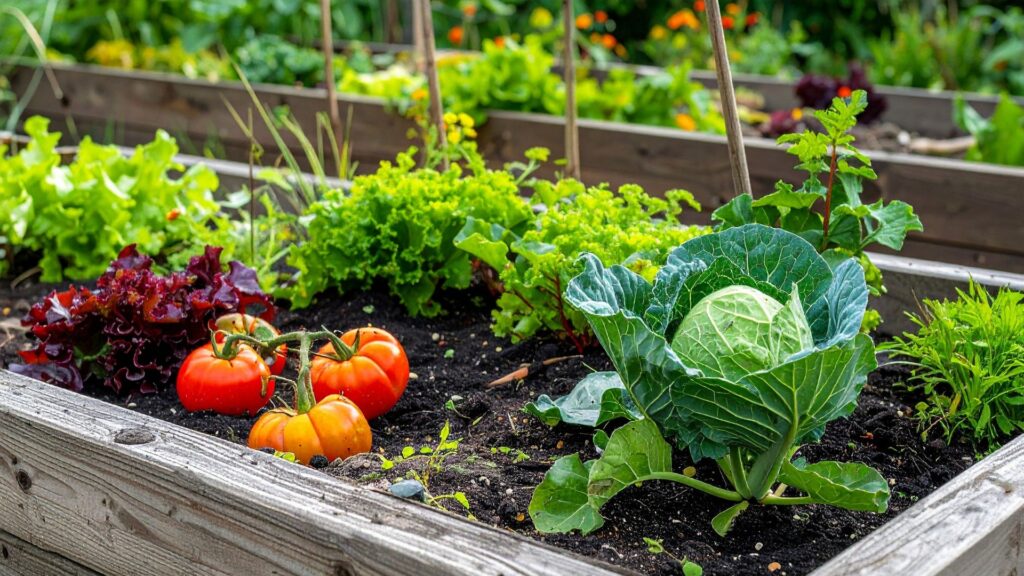
Leaf health is a fundamental aspect of successful plant care, as it directly influences the overall vitality of your plants. Healthy leaves not only enhance the aesthetic appeal of your garden but also play a crucial role in photosynthesis and nutrient absorption. However, understanding the disease symptoms that can affect leaf health is essential for timely intervention and the prevention of further damage. For instance, yellowing leaves may indicate nutrient deficiencies or pest infestations; therefore, it is vital for plant enthusiasts to remain vigilant.
In this article, we will explore the various factors that contribute to leaf health and recognize the key symptoms of plant diseases. Specifically, we will delve into common issues such as discoloration, wilting, and spotting, which can help you identify potential threats to your plants. Furthermore, by understanding these symptoms, you will be better equipped to implement effective care strategies, thereby ensuring your plants thrive in their environment.
Recognizing Key Symptoms of Leaf Health
Recognizing key symptoms of leaf health is crucial for maintaining vibrant plants. By observing leaf color and texture, you can often identify underlying issues before they escalate into more severe problems. For example, a sudden shift in leaf color can indicate nutrient deficiencies or stressors such as pests. Additionally, changes in leaf texture may signal environmental stress or disease. Hence, being proactive in monitoring these changes can save your plants from severe damage and promote their overall vitality. Regular observation not only helps in early detection but also fosters a deeper connection with your plants, enhancing your gardening experience.
Understanding Leaf Color Changes
Leaf color is a primary indicator of plant health. Healthy leaves typically exhibit rich greens, suggesting that the plant is receiving adequate nutrients and light. Conversely, yellowing leaves often point to nitrogen deficiencies or overwatering, which can lead to root rot if not addressed. Similarly, if leaves take on a brown or scorched appearance, this may indicate excessive sunlight exposure or dry conditions. Therefore, it’s essential to regularly assess your plants’ leaf color. For instance, if you notice a gradual fading of green to yellow, it may be time to adjust your fertilization routine or watering schedule. For more insights into recognizing these signs, consider monitoring early disease symptoms to catch issues early on.
Texture and Structure Indicators
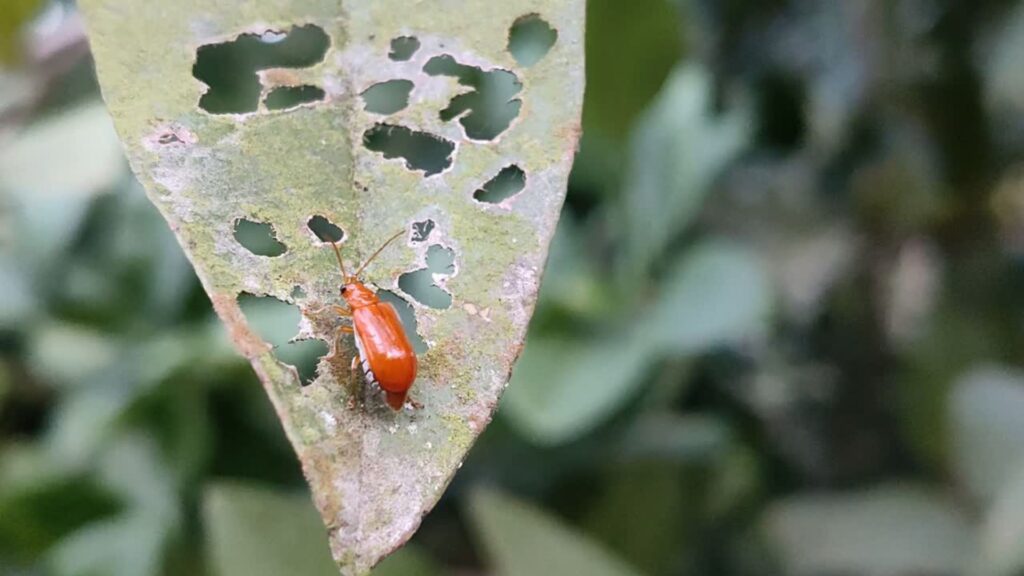
In addition to color, leaf texture and structure provide valuable clues about leaf health. A healthy leaf should feel firm and resilient, indicating proper hydration and nutrient uptake. If you notice a wilting or limp texture, it could indicate underwatering or root problems, which may require immediate attention. Furthermore, abnormal surface features like bumps, spots, or a sticky residue can signal pest infestations or diseases. According to Common leaf problems and diseases – Love The Garden, identifying these texture changes can help pinpoint specific issues and guide your care strategies. For example, a powdery coating might suggest powdery mildew, while small holes could indicate insect damage. Thus, by monitoring both leaf color and texture, you can ensure your plants remain robust and healthy, ultimately leading to a thriving garden.
Leaf Color and Texture: Indicators of Plant Health
Leaf color and texture are vital indicators of plant health, providing essential clues about the underlying issues affecting your plants. By keeping a close eye on these characteristics, you can identify problems early and take action to ensure your plants thrive. Changes in leaf color often signal nutrient deficiencies, environmental stress, or pest infestations. For instance, a sudden shift to yellow or brown could mean your plant needs immediate attention. Additionally, variations in leaf texture, such as wilting or curling, can also reveal significant health concerns that require your care. Understanding these indicators not only helps in diagnosing issues but also aids in implementing the right corrective measures to restore your plants to optimal health.
Moreover, the interplay between leaf color and texture can provide a comprehensive picture of plant health. For example, a plant exhibiting both yellowing leaves and a rough texture may indicate a more complex issue, such as a combination of nutrient deficiency and pest damage. Therefore, a holistic approach to monitoring these characteristics is essential for effective plant care.
Impact of Leaf Color on Plant Health
Different leaf colors can indicate specific health problems. For example, rich green leaves signify a well-nourished plant, while yellow leaves often indicate nitrogen deficiencies or overwatering. Brown or scorched edges may point to excessive sunlight exposure or drought stress. Furthermore, purple or reddish hues can signal phosphorus deficiencies, which can severely affect growth. By understanding these color changes, you can take proactive measures to restore your plants’ health.
To illustrate the relationship between leaf color and plant health, the table below summarizes common symptoms associated with various leaf colors:
| Leaf Color | Possible Symptoms |
|---|---|
| Green | Healthy, well-nourished |
| Yellow | Nitrogen deficiency, overwatering |
| Brown | Sunburn, drought stress |
| Purple/Reddish | Phosphorus deficiency |
Additionally, it’s important to note that leaf color can also be influenced by environmental factors such as temperature and humidity. For instance, cooler temperatures can sometimes enhance the vibrancy of leaf colors, while high humidity may lead to lush green foliage. Therefore, understanding the context in which your plants are growing can further aid in diagnosing their health.
Understanding Leaf Texture Variations
Leaf texture is equally crucial for assessing plant health. Smooth, firm leaves usually indicate a healthy plant, while wilting or curling leaves may suggest issues such as underwatering or pest damage. Additionally, a rough or mottled texture can be a sign of disease or nutrient imbalances. Therefore, thoroughly examining the texture of your plants’ leaves can provide further insights into their overall condition.
For example, if you notice that the leaves of your plant are developing a leathery texture, this could indicate a lack of moisture or excessive heat. Conversely, soft and mushy leaves may suggest overwatering or root rot. Regular monitoring of both leaf color and texture will empower you to maintain vibrant, healthy plants. For those interested in more detailed guidance, consider identifying early plant disease symptoms to enhance your plant care strategies. By being vigilant and proactive, you can ensure that your plants not only survive but thrive in their environment.
Common Leaf Diseases and Their Symptoms
Leaf diseases can significantly impact the health and vigor of your plants. Understanding these common leaf diseases, their symptoms, and possible treatments is essential for effective plant care. In many cases, early detection of disease symptoms allows for timely intervention, which can prevent further damage. For instance, discoloration, wilting, and spotting are all signs that your plant may be suffering from a specific ailment. By familiarizing yourself with these symptoms, you can enhance your plant disease identification skills and take the necessary steps to protect your garden. Moreover, recognizing the environmental conditions that foster disease can further aid in prevention and management strategies, ensuring your plants remain robust and thriving.
Identifying Fungal Diseases
Fungal diseases are among the most common issues affecting plant leaves. Symptoms often manifest as spots, powdery coatings, or even leaf blight. For example, powdery mildew presents itself as a white, powdery substance on the leaf surfaces. This fungal infection thrives in humid conditions and can spread rapidly, particularly in crowded plantings. To treat fungal diseases, first, ensure good air circulation around your plants. Additionally, fungicides may be necessary for severe outbreaks, but it is essential to follow application guidelines carefully to avoid harming beneficial organisms. By addressing these conditions promptly and maintaining a clean garden environment, you can minimize the impact of fungal infections on your plants.
Bacterial and Viral Infections
In addition to fungal diseases, bacterial and viral infections pose significant threats to leaf health. Bacterial infections often lead to water-soaked spots that can enlarge and cause leaf drop, severely affecting the plant’s overall health. Conversely, viral infections typically result in mottled leaves or stunted growth, which can be particularly detrimental to flowering and fruiting plants. For instance, the Tobacco Mosaic Virus can cause distinct discoloration and wrinkling in affected plants, ultimately reducing their yield. To manage these infections, it is crucial to practice good hygiene in your garden. This includes sanitizing tools and avoiding overhead watering, which can spread pathogens. Furthermore, removing infected plants promptly can help prevent the spread of disease. According to this scientific analysis, understanding these disease symptoms can greatly enhance your ability to protect your plants from further harm.
By recognizing the signs of common leaf diseases, you can take proactive measures to ensure your plants remain healthy and resilient. Regular monitoring and timely interventions are key components of effective plant care. Additionally, educating yourself about the specific needs and vulnerabilities of your plants will empower you to create a more supportive environment, ultimately leading to a flourishing garden.
Techniques for Assessing Leaf Health
Assessing leaf health is pivotal for any gardener or plant enthusiast aiming for a thriving garden. Various techniques can help you evaluate the condition of your plants. By employing a mix of traditional methods and modern technology, you can gain a comprehensive understanding of your foliage’s health. This proactive approach to plant assessment not only enhances the vitality of your plants but also allows for timely interventions when issues arise. Understanding the nuances of leaf health can lead to better gardening practices, ultimately resulting in a more vibrant and productive garden.
Visual Inspection Methods
Visual inspection is one of the simplest yet most effective leaf health assessment techniques. Start by examining the leaves for changes in color, texture, and structure. For instance, yellowing leaves may indicate nutrient deficiencies, while wilting can signal issues with water uptake. Additionally, look for signs of pests, such as holes or webbing. Moreover, checking for unusual spots or discolorations can help you identify potential diseases early. Regularly inspecting your plants allows you to become familiar with their normal appearance, making it easier to spot abnormalities. To illustrate, if you notice a sudden appearance of brown spots, it may be a sign of fungal infection or environmental stress. For deeper insights into how to recognize specific issues, refer to identifying disease patterns on leaves.
Using Technology for Leaf Assessment
Technology plays an increasingly vital role in leaf health assessment. Tools such as plant health apps and infrared cameras can provide valuable data that visual inspections alone may miss. For example, some apps can analyze leaf images and detect color changes linked to nutrient deficiencies or diseases. Furthermore, infrared cameras can measure leaf temperature, which is crucial for understanding water stress. Consequently, these technologies allow for more precise and timely assessments, leading to better care strategies. Additionally, some advanced systems can monitor environmental conditions, such as humidity and light levels, which can impact leaf health. Thus, incorporating technology into your plant assessment toolkit can enhance your understanding of leaf health and contribute to more successful gardening outcomes.
Soil Testing and Nutrient Analysis
Another essential technique for assessing leaf health involves soil testing and nutrient analysis. The health of leaves is often directly linked to the quality of the soil in which the plants are growing. By testing soil pH and nutrient levels, you can identify deficiencies or imbalances that may affect leaf vitality. For instance, a soil test revealing low potassium levels could explain why leaves are curling or developing brown edges. Additionally, regular soil testing can help you adjust your fertilization practices, ensuring that your plants receive the necessary nutrients for optimal growth. Consequently, understanding the relationship between soil health and leaf condition is crucial for any gardener aiming to maintain a thriving garden.
Caring for Plants Based on Leaf Health Assessment
Caring for plants effectively hinges on the ability to assess leaf health accurately. By closely examining the leaves, you can identify symptoms that indicate underlying issues, thereby allowing for timely interventions. For example, if you notice discolored leaves, it may suggest nutrient deficiencies or pest activity. Additionally, curled or wilting leaves can indicate environmental stress, such as extreme temperatures or inadequate watering. Therefore, understanding these signs not only enhances plant care but also improves the overall health of your garden. Ultimately, a proactive approach to leaf assessment can prevent more significant problems from arising, ensuring that your plants thrive in their environment.
Implementing Care Strategies
Once you’ve identified specific leaf health symptoms, implementing targeted care strategies becomes essential. For instance, if you observe yellowing leaves, consider adjusting your fertilization routine. Adding nitrogen-rich fertilizers can help address deficiencies. Moreover, if leaf spots appear, inspect for pests and apply appropriate treatments, such as insecticidal soap or neem oil. Likewise, maintaining proper watering practices is crucial; overwatering can lead to root rot, while underwatering can cause wilting and stress. Additionally, regular pruning of damaged leaves will encourage new growth and improve airflow, thereby reducing disease risk. Furthermore, ensuring that your plants are in well-draining soil can prevent water accumulation, which is vital for root health.
Preventive Measures for Leaf Health
Preventive measures are vital for maintaining robust leaf health over time. First, ensure that your plants are situated in the right light conditions, as inadequate light can lead to weak growth and unhealthy leaves. Similarly, monitor humidity levels; many plants thrive in higher humidity, which can help prevent leaf stress and promote lush growth. Furthermore, regularly cleaning leaves to remove dust can enhance photosynthesis efficiency, allowing plants to absorb more light. Consequently, performing routine checks for pests and diseases will keep issues at bay. It is also beneficial to rotate your plants periodically to ensure even light exposure. For more detailed insights into leaf indicators, you can explore the resource on leaf indicators of tree health. By being proactive and attentive to your plants’ needs, you can ensure they remain vibrant and healthy throughout the growing season, ultimately leading to a flourishing garden.
Bringing It All Together
Ultimately, understanding leaf health and recognizing disease symptoms is crucial for optimal plant care. By closely monitoring the color, texture, and overall appearance of your plant leaves, you can identify potential issues before they escalate into serious problems. Healthy leaves not only enhance your garden’s beauty but are also vital for the plant’s growth and resilience. Therefore, proactive monitoring is essential for maintaining a thriving garden.
Moreover, being aware of common disease symptoms such as yellowing, wilting, or spotting allows you to take timely action. This knowledge empowers plant enthusiasts to implement effective care strategies, ensuring that your plants thrive in their environment. For instance, if you notice wilting leaves, it may indicate underwatering or root issues that require immediate attention. Consequently, the more you educate yourself about leaf health, the better equipped you will be to nurture your plants successfully.
Finally, we encourage you to regularly assess your plants and stay informed about their specific needs. By prioritizing leaf health, you can cultivate a thriving garden that flourishes season after season. Embrace the journey of plant care, and watch as your efforts yield vibrant and healthy greenery for years to come. Remember, a well-cared-for plant not only contributes to the beauty of your space but also enhances your overall gardening experience, making it all the more rewarding.