Plant disease can indeed be a gardener’s worst nightmare, leading to wilting leaves, stunted growth, and even complete crop failure. Therefore, understanding the causes of plant sickness is essential for anyone aiming to maintain a healthy garden or thriving indoor plants. Various factors, such as environmental conditions, pests, and pathogens, can contribute to these ailments. Consequently, it is crucial to identify the underlying issues early on to prevent further damage.
In this article, we will explore the main causes of plant disease, delving into the different types of pathogens and environmental stressors that can impact plant health. Furthermore, we will discuss preventive measures and treatments that can help mitigate these challenges. By arming yourself with this knowledge, you will be better prepared to protect your plants and ensure their vibrant growth. Whether you are a seasoned gardener or a novice, understanding these concepts will empower you to cultivate a flourishing garden.
Environmental Factors Affecting Plant Health
Environmental factors play a crucial role in determining plant health, significantly influencing their growth and susceptibility to diseases. Factors like soil quality, water management, and environmental conditions directly affect how plants thrive. For example, nutrient-rich soil supports healthy plants, while poor soil composition can lead to various diseases. Additionally, improper irrigation practices can create an environment where pathogens flourish, ultimately harming plant health. Moreover, external factors such as temperature, humidity, and light exposure also contribute to the overall well-being of plants. Understanding these environmental factors is essential for any gardener or plant enthusiast aiming for a robust garden, as it allows for informed decisions that promote plant vitality and resilience.
Impact of Soil Quality
Soil quality is one of the most critical environmental factors affecting plant health. Healthy soil contains a balanced composition of nutrients, organic matter, and microorganisms that work synergistically to support plant growth. Conversely, soil that lacks essential nutrients or is overly compacted can weaken plants, making them more vulnerable to diseases. For instance, heavy clay soils may hold too much water, promoting root rot and other fungal infections. To illustrate, healthy plants thrive in loamy soils that drain well yet retain moisture, providing an ideal environment for root development. Regularly testing and amending your soil can significantly enhance plant health, ensuring that it meets the specific needs of the plants you are cultivating. Additionally, incorporating organic matter, such as compost, can improve soil structure and nutrient availability. For more information on how soil issues can lead to diseases, you can learn more about soil-borne diseases.
Water Management and Plant Disease
Water management is another vital environmental factor influencing plant health. Overwatering can cause waterlogged conditions that promote fungal diseases, while underwatering can stress plants, making them more susceptible to infections. Therefore, establishing a proper irrigation routine is essential for maintaining plant health. For example, using drip irrigation helps deliver water directly to the roots and minimizes evaporation, ensuring that plants receive adequate moisture without the risk of waterlogging. Similarly, monitoring rainfall and adjusting your watering schedule accordingly can prevent over-saturation. Moreover, utilizing mulch can help retain moisture while preventing soil erosion and regulating soil temperature. Understanding the nuances of water management not only supports plant growth but also protects against potential diseases. As noted by Plant Disease – The Canadian Encyclopedia, effective water management is crucial in mitigating the risks associated with various pathogens.
Additional Environmental Considerations
In addition to soil quality and water management, other environmental factors such as temperature and light exposure significantly impact plant health. For instance, extreme temperatures can stress plants, making them more susceptible to disease. Similarly, inadequate light can hinder photosynthesis, weakening plants and leaving them vulnerable to infections. Therefore, it is essential to consider these factors when planning your garden layout or selecting plant varieties. By addressing these areas, you can foster a thriving garden ecosystem, significantly reducing the likelihood of plant disease. Ultimately, taking proactive steps in managing these factors will lead to healthier, more resilient plants, ensuring a flourishing garden for years to come.
Cultural Causes of Plant Sickness
Cultural practices are often overlooked when considering the causes of plant sickness, yet they play a significant role in plant health. By understanding how various cultural techniques impact plant vitality, gardeners can implement strategies that promote resilience against diseases. For instance, practices such as pruning, fertilization, crop rotation, and plant diversity are critical elements that can either enhance plant health or contribute to susceptibility to disease. Each of these practices has unique implications for plant growth and overall well-being. For example, pruning not only shapes the plant but also encourages new growth, while crop rotation disrupts the life cycles of pests and pathogens.
In the following sections, we will explore common cultural practices and how they affect plant health, providing insights into preventing disease through effective cultural methods. By adopting these practices, gardeners can create a more sustainable and disease-resistant environment for their plants.
Common Cultural Practices
Pruning is one of the most vital cultural practices in gardening. It not only helps maintain the shape and size of plants but also improves air circulation, which is essential for reducing the risk of fungal diseases. When branches are crowded, moisture can accumulate, creating a perfect environment for pathogens to thrive. Additionally, proper fertilization practices can significantly impact plant health. Over-fertilizing can lead to nutrient imbalances, making plants more susceptible to disease. Therefore, a balanced approach to fertilization, tailored to the specific needs of the plant species, is essential for optimal health. To illustrate the effects of these practices, the following table compares various cultural practices and their impacts on plant health.
| Cultural Practice | Impact on Plant Health |
|---|---|
| Pruning | Improves air circulation; reduces disease risk |
| Fertilization | Enhances growth; overuse can lead to disease susceptibility |
| Crop Rotation | Disrupts disease cycles; enhances soil health |
| Plant Diversity | Reduces pest populations; increases resilience against disease |
Preventing Disease Through Cultural Methods
Implementing effective cultural methods is crucial for preventing plant disease. Crop rotation, for example, helps break the life cycles of pests and pathogens, thereby reducing disease incidence. By rotating crops, gardeners can also enhance soil health, which further supports plant vitality. This practice not only prevents the buildup of specific pathogens but also allows for the replenishment of nutrients that different crops require. Similarly, increasing plant diversity within a garden can lead to a more balanced ecosystem, where natural pest control methods can thrive. This diversity not only promotes competition among plants but also helps to keep disease outbreaks at bay. For instance, intercropping can attract beneficial insects that prey on harmful pests, thus providing a natural form of pest management.
Furthermore, maintaining proper spacing between plants is another cultural practice that can significantly reduce disease risk. Adequate spacing ensures that plants receive sufficient sunlight and air circulation, which are vital for preventing moisture accumulation and promoting healthy growth. Additionally, mulching can help retain soil moisture while suppressing weeds, further contributing to plant health.
Understanding the cultural causes of plant sickness is essential for effective gardening. By adopting practices such as proper pruning, balanced fertilization, crop rotation, and plant diversity, you can significantly improve plant health. For more tailored guidance, you can explore strategies for a disease-resistant garden. Cultivating awareness of these cultural practices will equip you to create a flourishing and resilient garden, ultimately leading to a more enjoyable gardening experience.
Symptoms of Plant Disease and Their Implications
Recognizing the symptoms of plant disease is critical for any gardener. These symptoms can manifest in various forms, including discoloration of leaves, wilting, stunted growth, or unusual spots. Moreover, understanding these signs helps you take timely action to mitigate potential damage. For instance, yellowing leaves could indicate nutrient deficiencies, such as a lack of nitrogen, or root rot caused by overwatering. Similarly, white powdery spots may suggest fungal infections, which can spread rapidly if not addressed. Awareness of these symptoms not only aids in identifying the problem but also informs the strategies you might employ to combat it effectively. Therefore, being proactive in monitoring your plants can lead to healthier growth and a more productive garden.
Identifying Common Symptoms
Common symptoms of plant disease often serve as the first clue to underlying issues. Leaf yellowing, for example, can be a sign of nutrient deficiency, particularly nitrogen, which is essential for chlorophyll production. Additionally, brown edges or spots on leaves might point to a fungal infection or water stress, indicating that the plant is either receiving too much or too little moisture. Root issues can be identified through stunted growth or wilting, despite adequate watering. Consequently, being vigilant about these symptoms allows gardeners to diagnose potential issues before they escalate into more severe problems. Regularly inspecting your plants will enable you to catch these signs early, increasing the likelihood of successful intervention and recovery.
Linking Symptoms to Causes
Understanding the relationship between symptoms of plant disease and their causes is essential for effective management. For instance, if you notice wilting plants, it may be due to overwatering, leading to root rot, which deprives the plant of necessary nutrients. Conversely, if the soil is dry and plants still wilt, it’s likely a sign of root damage or pest infestations, such as nematodes or root weevils. Additionally, leaf spots often indicate a fungal or bacterial infection, which requires targeted treatments, such as fungicides or organic remedies. Thus, recognizing these connections not only helps in diagnosing problems but also allows you to apply the most appropriate solutions.
Moreover, learning about the specific causes of plant sickness enhances your overall gardening strategy. For practical advice on identifying plant diseases and effective control measures, you can refer to Plant Diseases 101 | Gardening Information from Gardener’s Supply. By understanding the symptoms and their implications, you can maintain healthier plants and a more productive garden. This knowledge empowers you to make informed decisions, ensuring that your gardening efforts yield the best possible results.
Prevention Strategies for Plant Diseases
Preventing plant diseases is essential for maintaining healthy crops and gardens. By implementing effective disease prevention strategies, both farmers and home gardeners can significantly reduce the risk of infections that threaten plant health. These strategies encompass a variety of practices, including proper soil management, crop rotation, and the use of resistant plant varieties. Moreover, awareness of the environmental factors that contribute to disease spread can aid in better planning and management. Understanding these factors is crucial, as they can vary widely based on location, climate, and specific plant species. For instance, certain diseases may thrive in humid conditions, while others may be exacerbated by drought. Therefore, tailoring prevention strategies to local conditions can enhance their effectiveness.
To help you understand the most effective preventive measures, the following table outlines various strategies and their effectiveness in disease prevention. This overview will assist in making informed decisions regarding plant health management, ensuring that both preventative and responsive measures are in place to combat potential threats.
| Preventive Measure | Description | Effectiveness |
|---|---|---|
| Crop Rotation | Alternating crops to disrupt pest life cycles | High |
| Resistant Varieties | Planting disease-resistant varieties | Very High |
| Proper Irrigation | Ensuring adequate water without over-saturation | Moderate to High |
| Soil Health Management | Enhancing soil quality through organic matter | High |
| Sanitation Practices | Removing infected plant debris and tools | High |
| Fungicide Applications | Using fungicides as a last resort | Variable |
| Monitoring and Surveillance | Regularly inspecting plants for early signs | Very High |
Preventive Measures in Agriculture
In agriculture, implementing robust disease prevention strategies can lead to healthier crops and improved yields. Crop rotation is a highly effective method, as it disrupts the lifecycle of pests and pathogens that thrive on specific plants. For example, rotating legumes with cereals can enhance soil nitrogen levels while minimizing disease incidence. Additionally, planting resistant varieties can greatly reduce the incidence of diseases, offering farmers a reliable defense against threats. Soil health management, which involves improving nutrient content and structure, also plays a critical role in fostering strong plants. Farmers can achieve this by incorporating organic matter, such as compost or cover crops, which not only enrich the soil but also enhance its structure. Consequently, farmers are encouraged to adopt these strategies to enhance their overall plant health management practices, ultimately leading to sustainable agricultural practices.
Home Gardening Tips for Disease Prevention
For home gardeners, maintaining disease-free plants requires diligence and a proactive approach. First, practicing good sanitation is vital; removing dead leaves and debris not only improves aesthetics but also minimizes disease risk by eliminating potential breeding grounds for pathogens. Additionally, proper irrigation techniques prevent over-watering, which can create a conducive environment for pathogens. For instance, using drip irrigation can ensure that water reaches the roots without saturating the foliage. Moreover, incorporating organic matter into the soil boosts its health, allowing plants to grow stronger and more resilient. To further enhance your gardening efforts, you can discover fungus prevention methods that specifically target common fungal threats. By applying these tips, gardeners can effectively manage plant health and enjoy flourishing greenery. Furthermore, engaging in regular monitoring and surveillance can help catch early signs of disease, allowing for timely intervention.
In summary, disease prevention is paramount for ensuring robust plant health, whether in agriculture or home gardening. Understanding and implementing these strategies can lead to vibrant, productive gardens and fields. By being proactive and informed, both farmers and gardeners can create environments that support plant vitality and resilience, ultimately leading to successful cultivation.
Understanding Infectious vs Noninfectious Plant Diseases
Understanding plant diseases is essential for effective gardening and agriculture. Plant diseases can be broadly categorized into two main types: infectious and noninfectious. Infectious plant diseases are caused by pathogens such as fungi, bacteria, and viruses, which can spread from one plant to another, often leading to rapid and widespread damage. In contrast, noninfectious plant diseases arise from environmental factors or physiological issues, such as nutrient deficiencies, toxicities, or adverse weather conditions. Recognizing the differences between these types is crucial for managing plant health and preventing disease outbreaks, as each requires distinct approaches for effective control and prevention.
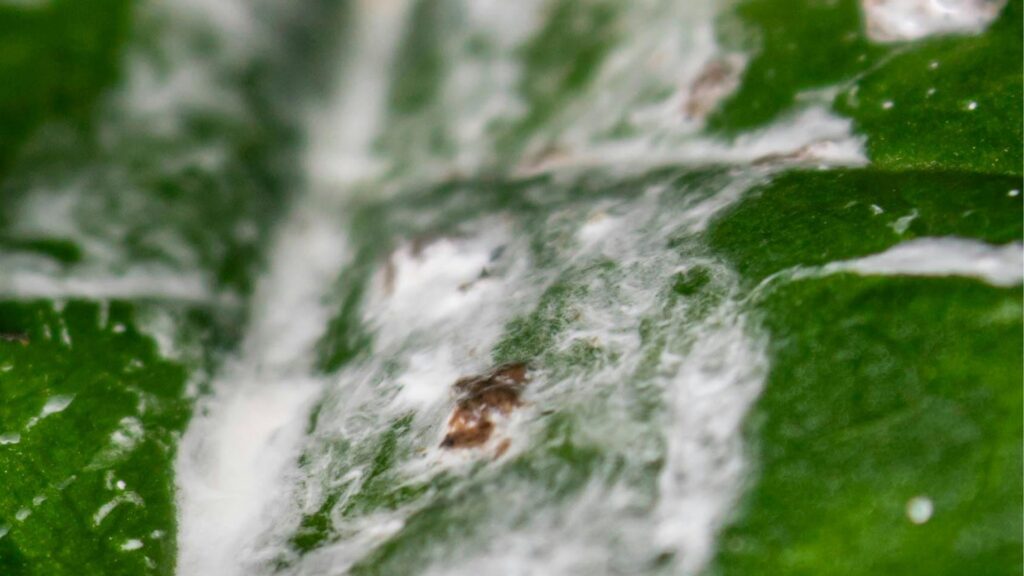
Infectious plant diseases are often characterized by specific symptoms that can spread rapidly through a garden or farm. For example, powdery mildew, a fungal infection, manifests as a white powdery coating on leaves, weakening the plant and reducing its yield. Similarly, bacterial blight can cause dark lesions on leaves, leading to premature leaf drop and overall decline in plant vigor. These diseases can propagate through water, soil, or even insects, making it essential to implement proactive management strategies. Effective control measures include using disease-resistant plant varieties, practicing crop rotation, and applying fungicides or bactericides when necessary. Moreover, maintaining proper sanitation practices, such as removing infected plant debris, can significantly reduce the risk of disease spread. Therefore, vigilance is key to preventing the spread of infectious diseases in your plants.
Noninfectious plant diseases, on the other hand, stem from factors like nutrient imbalances, environmental stress, or chemical exposure. For instance, a plant suffering from iron chlorosis may show yellowing leaves due to insufficient iron in the soil, which can hinder photosynthesis and growth. Unlike infectious diseases, noninfectious disorders do not spread from plant to plant; instead, they require a different approach to management. To address these noninfectious disorders, gardeners should focus on improving soil health, ensuring proper irrigation, and providing balanced fertilization. Regularly testing soil can guide amendments to correct deficiencies, such as adding organic matter or specific nutrients. Consequently, understanding these noninfectious factors can lead to healthier plants with a lower risk of disease, ultimately enhancing the overall productivity of your garden.
In summary, effective management of both infectious and noninfectious plant diseases relies on early identification and tailored strategies. By familiarizing yourself with the symptoms and causes of each type, you can implement appropriate measures to protect your plants. To deepen your understanding of plant diseases and explore additional classifications, consider checking out Plant disease – Causes, Symptoms, Prevention – Britannica. By staying informed and proactive, you can cultivate a more resilient garden, ensuring that your plants not only survive but thrive in their environment.
Bringing It All Together
To summarize, understanding the main causes of plant disease is essential for anyone invested in maintaining healthy plants. Factors such as environmental stressors, pests, and pathogens can all contribute to plant sickness, leading to detrimental effects on growth and yield. By recognizing these potential threats, you can take proactive measures to safeguard your plants and ensure their vitality.
Moreover, disease prevention should be a priority for every gardener. Implementing effective strategies, such as improving soil quality and managing water effectively, can significantly reduce the risk of disease. For instance, incorporating organic matter into the soil can enhance its structure and nutrient content, promoting healthier plant growth. Additionally, staying vigilant about pest management and recognizing early signs of illness will empower you to act swiftly before issues escalate. Regularly inspecting your plants and employing integrated pest management techniques can help maintain a balanced ecosystem in your garden.
Ultimately, your commitment to understanding and addressing these factors will lead to a flourishing garden. Therefore, take the knowledge gained and apply it to your gardening practices. Investing time in disease prevention will not only enhance plant health but also ensure long-term success in your gardening endeavors. Lastly, as you cultivate your skills and knowledge, remember that a healthy garden begins with awareness, proactive care, and a willingness to adapt to the ever-changing needs of your plants. By fostering this mindset, you will create a thriving environment for your plants to flourish.