The Impact of Plant Fungi on Plant Physiology
The intricate relationship between plant physiology and fungi is essential for understanding how these microorganisms impact crops. Plant physiology encompasses the biological processes that enable plants to grow, develop, and reproduce. These functions include photosynthesis, nutrient uptake, and water regulation, all of which are crucial for plant health and productivity. When fungi interact with plants, they can influence these physiological processes, leading to varied outcomes depending on the type of fungi involved. For instance, some fungi form symbiotic relationships with plant roots, thereby enhancing nutrient absorption, while others can be detrimental, causing diseases that impair growth and yield.The Role of Fungi in Plant Physiology
To appreciate how fungi affect plant physiology, we must first recognize the vital processes involved. Photosynthesis, which is the conversion of light energy into chemical energy, is critical for plant survival. Additionally, transpiration plays a key role in regulating water loss, which is vital for maintaining turgor pressure within plant cells. Fungi can enhance these processes through symbiotic relationships, such as mycorrhizal associations, where fungi help plants access water and nutrients from the soil. Consequently, these interactions can significantly boost overall plant health and crop yields. However, it’s important to note that not all fungi are beneficial; some can disrupt these processes, leading to negative outcomes.Disruption of Plant Functions by Fungi
Conversely, certain fungi can severely disrupt plant functions, leading to diseases that threaten crop production. For example, pathogens like Fusarium and Botrytis can invade plant tissues, causing wilting, rot, and even plant death. These fungi affect plant health by producing toxins or blocking essential physiological processes, such as nutrient transport. Moreover, the presence of fungal diseases can weaken plants, making them more susceptible to environmental stressors. Therefore, understanding the specific fungi affecting your crops is crucial for effective disease management. Utilizing strategies such as early control of fungal issues can help mitigate the risks associated with these pathogens. In summary, the interplay between plant physiology and fungi is complex and multifaceted. By recognizing how fungi can both enhance and inhibit plant functions, farmers can make informed decisions to protect crop health. For those looking for a deeper dive into fungi as pathogens, further resources are available to explore this topic in greater detail. Understanding these dynamics is vital for sustainable agricultural practices and maximizing crop yields.Common Types of Plant Fungi and Their Effects
Plant fungi significantly affect crop health and yield, with rust and blight being particularly notorious types. Rust fungi are identified by their spore-producing structures that resemble rust, while blight fungi are known for their rapid spread and destructive impact on plant tissues. Understanding these two types is essential for farmers, as they can lead to substantial losses in crop production. This section explores the impacts of rust and blight fungi on various crops, emphasizing the importance of effective management strategies.Impacts of Rust Fungi on Crop Yields
Rust fungi can be especially damaging to a wide range of crops, including wheat, barley, and soybeans. Their complex lifecycle often involves multiple hosts, complicating control measures. Rust diseases typically manifest as orange or reddish-brown pustules on leaves, which can lead to reduced photosynthesis and overall plant vigor. Consequently, infected plants may experience stunted growth and, in severe cases, complete crop failure. For instance, wheat rust can significantly impact yields, resulting in economic losses for farmers. Therefore, monitoring and early detection are crucial for managing rust-related plant diseases.Effects of Blight Fungi on Crop Health
Conversely, blight fungi are notorious for their rapid onset and devastating effects on crops. They thrive in warm, moist conditions, making them particularly harmful during specific seasons. Crops such as tomatoes, potatoes, and corn are frequently afflicted by blight diseases. Symptoms often include wilting, browning, and leaf drop, which can drastically reduce crop yields. For example, late blight in potatoes can lead to total crop loss if not managed promptly. Thus, understanding the specific conditions that promote blight is essential for effective management.Comparison of Rust and Blight Effects on Crops
To further illustrate the impact of rust and blight on various crops, the following table provides a comparison of their effects:| Crop | Impact of Rust | Impact of Blight |
|---|---|---|
| Wheat | Significant yield loss, stunted growth | Minimal impact, but can affect quality |
| Barley | Severe damage, reduces grain quality | Moderate effects, mostly on foliage |
| Soybeans | Loss of leaves, reduced photosynthesis | Can cause premature leaf drop |
| Tomatoes | Rarely affected by rust | Severe yield loss, rapid spread |
| Potatoes | Rarely affected by rust | Total crop loss if untreated |
Identifying Symptoms of Fungal Infections in Plants
Identifying fungal infections in plants can be challenging yet essential for maintaining plant health and optimizing crop yields. Recognizing the symptoms early allows for prompt intervention, preventing further spread and damage. Fungal infections generally manifest through various plant disease symptoms, which can include discoloration, wilting, or unusual growth patterns. For instance, a farmer may notice that the leaves of a crop are turning yellow or developing dark spots, which could indicate a fungal issue. Being vigilant about these signs will help gardeners and farmers take necessary actions to protect their plants and ensure a healthy harvest.Common Symptoms to Look For
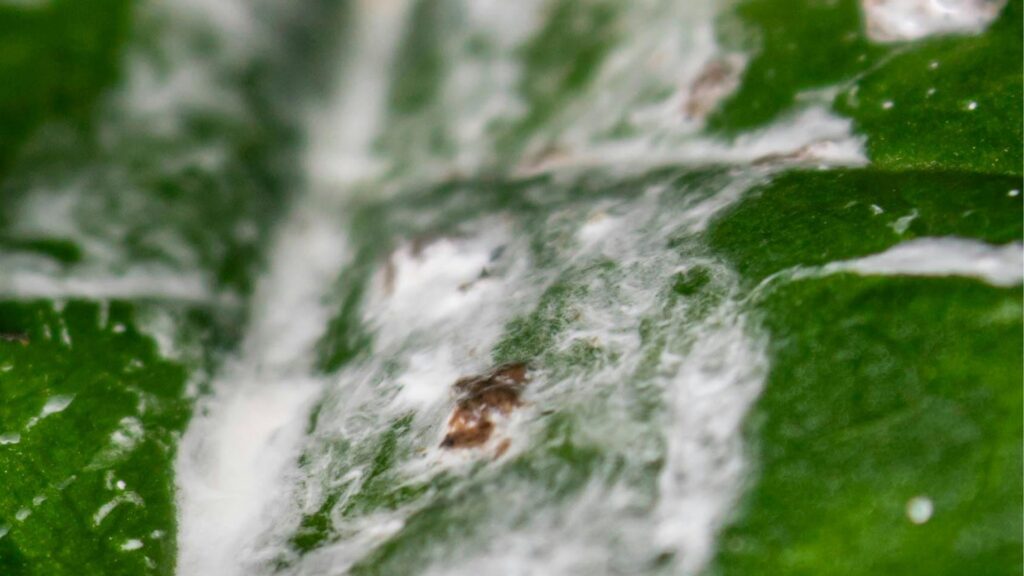
One of the first symptoms of fungal infections is leaf spots. These spots often appear as dark brown or black lesions, which may enlarge and lead to leaf drop. Additionally, powdery mildew is another common fungal issue characterized by a white, powdery coating on leaves. This fungal infection can hinder photosynthesis, ultimately impacting plant health and reducing crop yields. Furthermore, root rot can occur, leading to wilting and stunted growth. To illustrate, plants with root rot may appear to be overwatered, yet the soil remains wet due to fungal activity. Consequently, keeping an eye on these symptoms can help you manage potential fungal threats effectively. Moreover, other signs like fuzzy growths or unusual fruiting bodies on stems and leaves can also indicate the presence of harmful fungi.Differentiating Between Fungal and Non-Fungal Issues
While understanding plant disease symptoms is crucial, it’s equally important to distinguish between fungal infections and other types of plant issues. For example, bacterial infections often present as water-soaked lesions, while nutrient deficiencies may cause yellowing leaves. Additionally, environmental factors like drought stress can mimic fungal symptoms, such as wilting or browning leaf edges. To differentiate, consider the spread and pattern of the symptoms. Fungal infections typically spread rapidly under humid conditions, whereas non-fungal issues may arise from prolonged stress or other systemic problems. Therefore, assessing the context of the symptoms can guide you in identifying the underlying cause effectively. Furthermore, utilizing diagnostic tools, such as soil tests or plant tissue analysis, can provide valuable insights into the specific challenges your plants face. If you want to learn more about managing specific fungal infections, such as powdery mildew, check out understanding plant diseases. By familiarizing yourself with these symptoms and distinctions, you can take proactive measures to ensure your plants remain healthy and productive. Ultimately, early detection and accurate diagnosis are key to mitigating the adverse effects of fungal infections on crop yields.Effects of Fungal Diseases on Crop Yields
Fungal diseases pose a significant threat to agricultural productivity, leading to substantial reductions in crop yields. These diseases, caused by various fungi, can affect different crops in numerous ways, ranging from stunted growth to complete crop failure. Understanding the impact of these diseases is crucial for farmers aiming to maintain high yields and ensure food security. Consequently, evaluating the statistics behind yield losses provides insight into the severity of the issue and highlights the need for effective management strategies. To illustrate the extent of yield loss due to various fungal diseases, the table below summarizes the estimated reductions in crop yields across major agricultural products. These figures underscore the urgency of addressing fungal infections in crops.| Fungal Disease | Crop Type | Average Yield Loss (%) |
|---|---|---|
| Fusarium Head Blight | Wheat | 30 |
| Downy Mildew | Grapes | 20 |
| Powdery Mildew | Cucumbers | 40 |
| Botrytis Cinerea | Strawberries | 50 |
| Rhizoctonia Solani | Potatoes | 25 |
| Sclerotinia Sclerotiorum | Canola | 35 |
| Alternaria spp. | Tomatoes | 15 |
Impact of Fungal Diseases on Major Crops
Fungal diseases particularly affect major crops such as wheat, grapes, and potatoes. For instance, wheat is susceptible to Fusarium Head Blight, which can diminish yields by an average of 30%. This reduction can severely impact the food supply, especially in regions where wheat is a staple. Moreover, grapes face threats from Downy Mildew, leading to a 20% yield loss, illustrating how fungal diseases can jeopardize both agricultural output and the wine industry. Thus, understanding the effects of fungi on these crops is essential for developing targeted management strategies.Long-term Consequences of Fungal Infections
The long-term consequences of fungal diseases extend beyond immediate yield losses. Repeated infections can lead to soil degradation and a decline in plant health over time. For example, Rhizoctonia Solani impacts potato crops, resulting in a 25% yield loss, which can diminish the soil’s overall fertility. Additionally, persistent fungal issues may necessitate increased chemical treatments, raising production costs and potentially harming the environment. Therefore, it is crucial for farmers to address current infections and implement sustainable practices to mitigate future risks. For effective identification and management strategies, you can learn more from How to Identify and Control Common Plant Fungal Diseases. The effects of fungal diseases on crop yields are profound and multifaceted. By recognizing the statistical significance of yield losses and understanding the implications for major crops, farmers can better prepare for and manage these challenges.Preventive Measures and Treatments for Fungal Infections
Preventive measures and treatments for fungal infections are crucial components of effective fungal disease management. By adopting a proactive approach, farmers can minimize the risk of fungal diseases that can severely impact crop yields. Understanding the types of preventive strategies and treatments available empowers agriculturalists to safeguard their crops and ensure robust growth. This multifaceted approach not only protects individual plants but also contributes to the overall health of the agricultural ecosystem. Farmers can employ a variety of strategies to combat fungal infections, ranging from cultural practices to chemical controls. Each method has its own merits and can be tailored to specific crops and environmental conditions. By integrating these approaches, agriculturalists can create a comprehensive plan that addresses the complexities of fungal threats while promoting sustainable farming practices.Cultural Practices
Cultural practices are among the first lines of defense against fungal infections. For instance, crop rotation is a widely recommended preventive measure that disrupts the life cycles of pathogens. By alternating crops, farmers can reduce the buildup of specific fungi in the soil, thereby minimizing the risk of disease recurrence. Additionally, maintaining proper spacing between plants enhances air circulation, which helps in reducing humidity levels that favor fungal growth. Moreover, ensuring that crops are planted in well-drained soil can prevent waterlogging, a condition that fosters fungal development. These simple yet effective cultural practices lay the foundation for a healthier crop environment. Furthermore, incorporating cover crops can improve soil health and suppress weed growth, which may harbor fungal spores.Chemical Controls
In cases where cultural practices are insufficient, chemical controls can provide an additional layer of protection. Fungicides are specifically formulated to target and inhibit the growth of fungi. However, it’s essential to apply these treatments judiciously to avoid resistance build-up. For example, using fungicides with different modes of action can help mitigate this risk. Additionally, timing the applications strategically—such as before a predicted outbreak—can enhance their effectiveness. Alongside these treatments, integrating advanced solutions for fungal problems can also provide comprehensive strategies for tackling persistent fungal issues. These solutions may include biological fungicides that utilize beneficial microorganisms to outcompete harmful fungi, thereby reducing reliance on chemical treatments. Overall, combining cultural practices and chemical controls creates a robust framework for fungal disease management. By implementing these preventive measures, farmers can significantly reduce the likelihood of fungal infections, thereby protecting their crops and optimizing yields. It’s clear that a well-rounded approach is key to successful fungal management, ensuring that crops thrive despite the challenges posed by fungi. Moreover, ongoing education and research into emerging fungal threats will further enhance the effectiveness of these strategies, enabling farmers to adapt and respond to new challenges in the field.Key Takeaways on Plant Fungi and Crop Health
To summarize, understanding the effects of plant fungi on crop health is crucial for optimizing agricultural practices. These microorganisms can significantly influence crop yields, both positively and negatively. Beneficial fungi enhance nutrient uptake, support plant growth, and improve resilience against environmental stressors. Conversely, harmful varieties can cause diseases that threaten food production and lead to substantial economic losses. Therefore, recognizing the dual nature of plant fungi is essential for effective crop management and sustainable agriculture. Moreover, proactive management strategies are vital for mitigating the risks associated with pathogenic fungi. Farmers should consider implementing integrated pest management techniques, crop rotation, and soil health practices to maintain a balanced ecosystem that favors beneficial fungi. For example, introducing cover crops can enhance soil microbiota diversity, which in turn supports beneficial fungi. By doing so, they can protect their crops and ensure sustained yields. Ultimately, the relationship between plant fungi and crop health underscores the need for continual research and education in agriculture. With a deeper understanding of these interactions, farmers can make informed decisions that not only enhance productivity but also promote environmental sustainability. As we look to the future, embracing these insights will be essential for addressing the challenges of food security and sustainable farming practices. Thus, ongoing collaboration between researchers, farmers, and policymakers is crucial to develop innovative solutions that harness the benefits of fungi while minimizing their risks.Watch the Video

Written by
Plant Care Researcher • Horticulture Writer
Maurice Buffer is a plant care researcher and horticulture writer at Flinkool. He focuses on plant health, pest prevention, and practical cultivation techniques that help gardeners grow healthier plants.