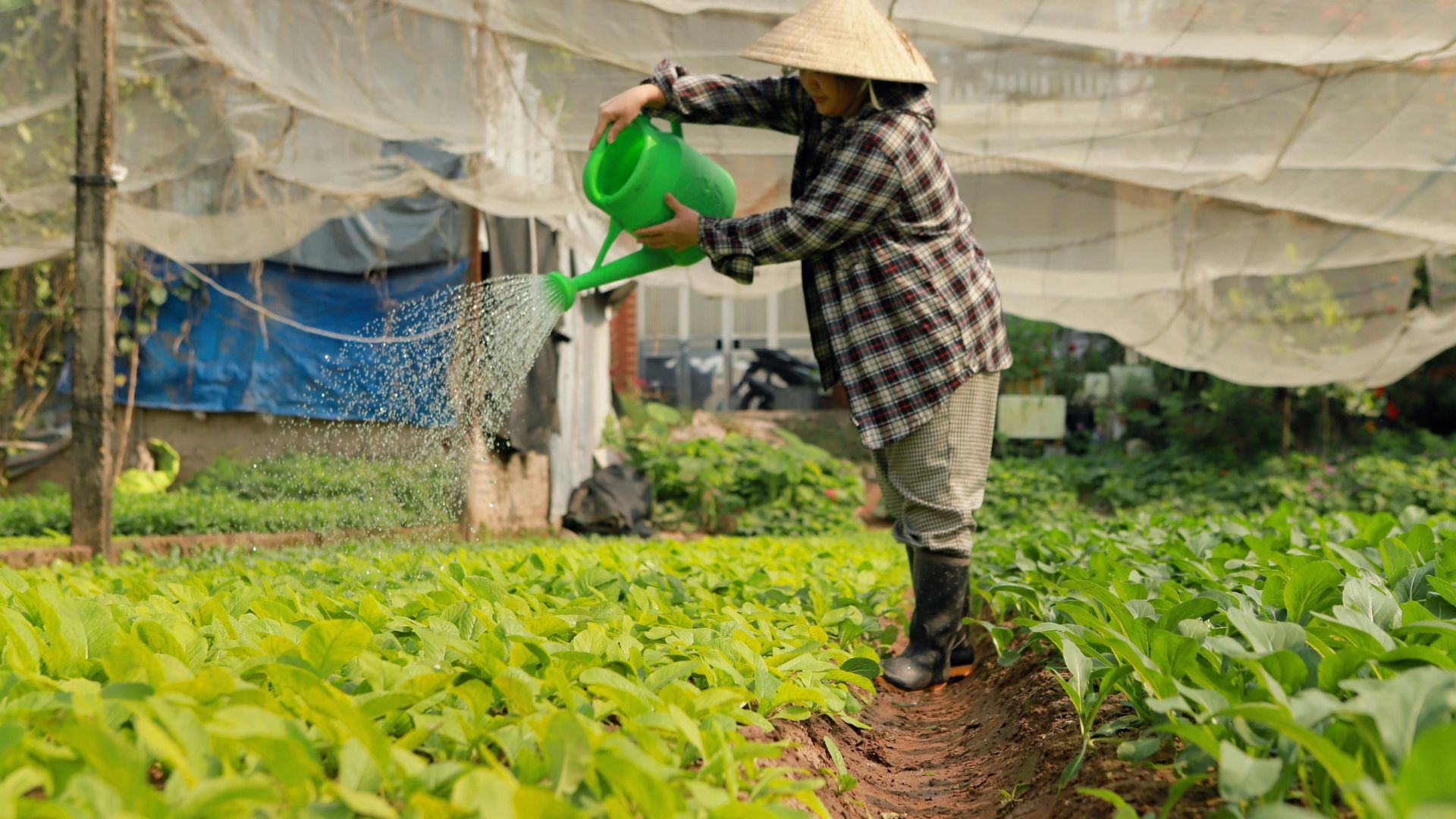
Mastering watering techniques is essential for any gardener who aims to cultivate thriving plants while preventing disease. Proper watering not only nourishes plants but also plays a critical role in maintaining root health, thereby serving as a foundational aspect of successful gardening. By understanding how to apply these techniques effectively, you can ensure your plants receive the right amount of moisture, which is vital for their growth and resilience against diseases.
In this article, we will explore various watering techniques that can transform your gardening practices. Specifically, you will discover methods tailored for different plant types and environmental conditions, along with tips on timing and frequency. Moreover, we will discuss how these practices not only promote healthy roots but also significantly reduce the risk of disease. Consequently, by the end, you’ll be equipped with the knowledge to implement these strategies effectively, ensuring your garden flourishes.
Understanding Effective Watering Techniques for Healthy Roots
Understanding effective watering techniques is crucial for maintaining healthy roots and overall plant health. When plants receive the right amount of water, they can absorb essential nutrients from the soil, leading to robust growth and resilience. Moreover, proper watering helps in developing a strong root system, which in turn supports the plant’s ability to withstand environmental stressors. For instance, deep watering encourages roots to grow deeper into the soil, accessing moisture and nutrients that are often unavailable to surface roots. Therefore, mastering these techniques can make a significant difference in your gardening success, ultimately leading to a more vibrant and productive garden.
The Importance of Watering Techniques
Watering techniques play a vital role in promoting plant health and preventing diseases. For example, overwatering can lead to root rot, a common problem caused by stagnant water at the roots, which can quickly devastate a garden. Conversely, underwatering can stress plants, making them more susceptible to pests and diseases. To illustrate, using a drip irrigation system can deliver water directly to the plant’s roots, minimizing evaporation and ensuring consistent moisture. This method not only conserves water but also promotes healthier root development. Consequently, adapting your watering approach to the specific needs of your plants enhances their health and longevity. Additionally, understanding when to water—during cooler parts of the day—can further optimize moisture retention, allowing plants to absorb water more effectively without the risk of evaporation.
How Watering Affects Plant Health
The method of watering you choose significantly impacts plant health. For example, applying water slowly allows it to penetrate deeply, promoting a strong and extensive root system that can better access nutrients. Similarly, using mulch can help retain soil moisture, reducing the frequency of watering needed and preventing soil erosion. Furthermore, varying your techniques based on the season is essential; during hot summer months, plants may require more frequent watering compared to cooler seasons. Therefore, being attentive to your plants’ responses to watering can inform your practices and lead to better outcomes. For effective strategies, consider exploring A guide to proper watering techniques, which provides detailed insights on proper watering techniques tailored to different plant types and environmental conditions.
Incorporating these effective prevention techniques, like adjusting your watering methods, can significantly contribute to a healthier garden. By implementing the right watering techniques, you not only promote healthy roots but also create a thriving environment for your plants. Moreover, regularly assessing soil moisture levels can help you fine-tune your watering schedule, ensuring that your plants receive the optimal amount of water they need to flourish. For more information, check out the effective prevention techniques to stop disease spread, and empower your gardening journey with knowledge that leads to success.
Seasonal Watering Schedules: Adjusting Techniques for Climate
Understanding how seasonal variations impact watering needs is essential for any gardener striving for a thriving garden. Each season brings unique climate characteristics that influence how much water plants require. For instance, warmer months typically necessitate more frequent watering, while cooler months may require less. Consequently, creating a seasonal watering schedule tailored to your climate can enhance plant health and prevent disease. This proactive approach not only ensures that your plants receive adequate moisture but also minimizes the risk of overwatering, which can lead to root rot and other issues.
To effectively adjust your watering methods according to the season, it’s crucial to recognize the specific needs of your plants during each phase of the year. Additionally, understanding the soil’s moisture retention capabilities will help you determine when and how much to water. For example, sandy soils drain quickly and may require more frequent watering, while clay soils retain moisture longer. The following table summarizes recommended watering schedules based on seasonal changes, providing a helpful reference for gardeners.
| Season | Recommended Watering Frequency | Tips for Effective Watering |
|---|---|---|
| Spring | 1-2 times per week | Water early in the morning or late afternoon to minimize evaporation. |
| Summer | 2-3 times per week | Increase frequency during heatwaves; consider drip irrigation for efficiency. |
| Fall | 1 time per week | Gradually reduce watering as temperatures drop; monitor rainfall. |
| Winter | As needed (1-2 times a month) | Ensure soil remains slightly moist; avoid watering if freezing temperatures are expected. |
Understanding Seasonal Needs
In spring, as temperatures rise, plants actively grow, which means they require more water. This is the time to establish a robust watering routine. Since the soil is often wet from winter, you may not need to water immediately; rather, observe your plants for signs of thirst. For example, wilting leaves or dry soil are indicators that your plants need hydration. In contrast, summer often brings scorching heat, leading to increased evaporation. Therefore, adjusting your watering frequency to 2-3 times a week becomes essential. Additionally, employing methods like drip irrigation can significantly conserve water while ensuring your plants receive adequate moisture. This technique allows water to drip slowly to the roots, reducing evaporation and runoff.
Adjusting Watering Techniques
As fall approaches, plants begin to enter a dormant phase. Consequently, you should gradually reduce watering to about once a week. Monitoring rainfall during this season can be particularly beneficial, as natural precipitation may suffice for maintaining soil moisture. For instance, if you notice consistent rainfall, you might skip a scheduled watering. Finally, winter watering requires special attention. During this season, plants need less water, approximately once or twice a month. However, it’s crucial to check the soil moisture levels regularly, as overwatering during freezing temperatures can lead to root rot. To illustrate, using a moisture meter can help you gauge the soil’s hydration level accurately, ensuring your plants are neither overwatered nor underwatered.
By following these seasonal watering schedules, you can significantly improve your garden’s overall health. Moreover, adapting your techniques in harmony with seasonal changes will not only nurture your plants but also protect them against diseases. For more tips on avoiding common gardening mistakes, check out common gardening mistakes. Ultimately, a well-planned watering strategy tailored to seasonal variations will lead to robust plant growth and a flourishing garden.
Common Watering Mistakes That Lead to Disease
Common watering mistakes can significantly hamper your gardening efforts, leading to disease and plant decline. Many gardeners unknowingly contribute to these issues through improper watering techniques. For instance, overwatering is one of the most prevalent mistakes, resulting in waterlogged soil that suffocates roots and promotes fungal growth. Consequently, diseases such as root rot can devastate your plants, leading to a decline in health and vitality. Conversely, underwatering can also be detrimental, leaving plants stressed and more vulnerable to pests and diseases. Therefore, understanding these common mistakes is the first step toward preventing disease and ensuring your plants thrive. By recognizing the signs of both overwatering and underwatering, you can make informed decisions that will ultimately enhance your gardening success.
Identifying Overwatering Issues
Overwatering is a common mistake that many gardeners struggle with, often due to a lack of understanding of their plants’ needs. Signs of overwatering include yellowing leaves, wilting despite wet soil, and a musty smell in the soil, which indicates anaerobic conditions. Furthermore, consistent overwatering can lead to root rot, a severe condition that can kill your plants. To prevent disease, it’s essential to let the topsoil dry out between watering sessions. Monitoring your plants and assessing their moisture needs based on environmental conditions can help you avoid these issues. Additionally, using pots with proper drainage can mitigate the risk of overwatering, allowing excess water to escape. To illustrate, consider using self-watering pots that provide a reservoir for moisture without saturating the roots. This approach can help maintain an optimal balance of moisture.
Recognizing Underwatering Symptoms
Underwatering, on the other hand, can also lead to serious problems for your plants. Typical symptoms include dry, crispy leaves, stunted growth, and a general lack of vigor. When plants are underwatered, their roots may not absorb enough nutrients, making them susceptible to disease. To prevent disease linked to underwatering, it’s crucial to create a consistent watering schedule based on your plants’ needs and the weather conditions. Checking the soil moisture regularly will help you determine when to water. Moreover, incorporating mulch can retain soil moisture, reducing the frequency of watering while keeping plants healthy. Additionally, consider the type of plants you are growing; some may require more frequent watering than others. For example, succulents thrive in drier conditions, while tropical plants may need more consistent moisture.
In summary, both overwatering and underwatering are common mistakes that can lead to disease. By being aware of these issues and adjusting your watering practices accordingly, you can significantly enhance your plants’ resilience. Remember, proper hydration is key. To learn more about effective watering practices, check out Proper Watering Keeps Plants Healthy. By implementing these strategies, you can cultivate a thriving garden that not only survives but flourishes.
Advanced Watering Techniques: Drip Irrigation and More
Advanced watering techniques are essential for maximizing plant health and ensuring efficient water usage in your garden. Among these methods, drip irrigation stands out as a highly effective approach. By delivering water directly to the root zone, drip irrigation minimizes evaporation and runoff, ensuring that plants receive the moisture they need without waste. Consequently, the benefits of drip irrigation include improved nutrient absorption and reduced water consumption. This method not only conserves resources but also promotes sustainable gardening practices. Furthermore, it allows gardeners to tailor their watering schedules based on specific plant needs, which can lead to healthier growth and increased yields. By adopting drip irrigation, you can cultivate robust plants while being mindful of environmental impacts.
Benefits of Drip Irrigation
One of the primary advantages of drip irrigation is its ability to provide consistent moisture levels. This system allows for precise water application, which encourages deep root growth and increases drought resistance. Moreover, because water is delivered directly to the roots, it significantly lowers the risk of fungal diseases associated with wet foliage. To illustrate, plants grown with drip irrigation often exhibit less stress during dry periods and thrive better in various conditions. Additionally, the system can be automated, allowing for scheduled watering that aligns with the plants’ needs. By investing in a drip irrigation system, you not only enhance plant health but also promote more efficient water use throughout your garden, ultimately leading to a more sustainable and productive gardening experience.
Moisture Retention Techniques
In addition to drip irrigation, employing moisture retention techniques can greatly benefit your plants. Incorporating organic mulches, such as straw or wood chips, helps to retain soil moisture, reducing the frequency of watering. This layer acts as a barrier against evaporation, ensuring that the soil remains consistently moist. Furthermore, using soil amendments like compost or peat moss can improve soil structure, enhancing its ability to hold water. Consequently, these moisture retention techniques create a more stable environment for your plants, allowing them to thrive even during periods of low rainfall. Additionally, techniques such as planting cover crops or using ground covers can further enhance soil moisture retention. Thus, combining these methods with advanced watering systems can lead to a flourishing garden and healthier plants overall.
Integrating Advanced Techniques for Optimal Growth
To achieve the best results, integrating advanced watering techniques with traditional practices is key. For instance, using a combination of drip irrigation and moisture-retaining mulches can create an ideal microclimate for your plants. Similarly, adjusting your watering schedule based on seasonal changes can optimize water usage and plant health. By monitoring soil moisture levels and adapting your approach accordingly, you can ensure that your plants receive the right amount of water at the right time. This holistic approach not only promotes healthy roots but also enhances the overall resilience of your garden, making it more capable of withstanding environmental challenges.
Leaf Care: Keeping Foliage Dry to Prevent Disease
Keeping foliage dry is an essential aspect of leaf care that can significantly impact your plants’ health. Excess moisture on leaves creates an environment conducive to fungal growth and diseases, such as powdery mildew and leaf spot. When water lingers on the surface, it not only hinders photosynthesis but also weakens the plant’s overall resilience. Therefore, managing leaf moisture is vital for effective disease prevention and maintaining robust foliage. In addition to fungal issues, wet leaves can attract pests, further compromising plant health. Thus, understanding and implementing strategies to keep leaves dry is crucial for any gardener aiming for a thriving garden.
Leaf care is crucial for ensuring plants thrive in a healthy environment. When leaves stay wet for extended periods, they become vulnerable to various pathogens. Moreover, diseases can spread rapidly in humid conditions, leading to widespread damage. For instance, a single infected leaf can infect others, resulting in significant crop loss in gardens or agricultural settings. Consequently, paying attention to leaf moisture not only protects individual plants but also enhances overall garden health. Implementing proper leaf care practices can dramatically reduce the risk of disease, ensuring your plants remain vibrant and productive. Additionally, healthy leaves contribute to better photosynthesis, which in turn supports overall plant growth and yield.
Best Practices for Dry Leaves
To keep leaves dry, consider a few practical tips. First, water your plants at the base instead of overhead. This method minimizes moisture accumulation on leaves, allowing them to dry faster. Additionally, watering early in the morning helps prevent prolonged leaf wetness throughout the day. This timing is particularly effective because it allows the sun to dry any residual moisture quickly. Furthermore, ensure proper air circulation around your plants by spacing them adequately. This approach promotes faster drying and reduces humidity levels, which are often breeding grounds for diseases. Regularly check your plants for signs of disease, as monitoring early disease symptoms can help you address potential issues before they escalate. By adopting these best practices, you can significantly enhance your leaf care strategy and promote disease prevention in your garden. Moreover, consider using mulch to retain soil moisture while keeping leaves dry, thus balancing the needs of your plants effectively.
Bringing It All Together: Your Watering Action Plan
Ultimately, bringing together the key watering techniques discussed in this article equips you with the tools to cultivate healthy roots and vibrant plants. By understanding the delicate balance of moisture, you can prevent common diseases and promote resilience in your garden. Remember, the right watering methods—whether it’s deep watering, using mulch, or considering plant types—are crucial for nurturing your garden’s health.
Moreover, implementing these strategies consistently will not only enhance your plants’ growth but also improve their ability to withstand stress factors such as drought or excessive rainfall. Therefore, take the time to evaluate your current watering practices and adjust them as necessary. Embrace the techniques that resonate with you, and watch your garden thrive.
Furthermore, as you embark on this journey towards mastering watering techniques, keep experimenting and learning. Each plant and garden is unique, and what works for one may not work for another. By remaining attentive to your plants’ needs and adjusting your approach accordingly, you will foster an environment where healthy roots can flourish.
Additionally, consider keeping a gardening journal to track your watering habits and plant responses. This practice can provide valuable insights over time, allowing you to refine your techniques further. Start today and enjoy the rewarding experience of nurturing your garden to its fullest potential, ultimately creating a thriving ecosystem that benefits both you and your plants.