Plant wilting is a common yet concerning issue that every gardener and plant enthusiast may encounter. Understanding wilt diagnosis is crucial because it enables you to identify the underlying causes of wilting, which may arise from environmental stress, disease, or nutrient deficiencies. By recognizing the signs early, you can take timely action to prevent your plants from declining and ensure their vibrant health.
In this article, we will explore the various factors contributing to plant wilting and provide practical tips for effective wilt diagnosis. Specifically, we will discuss common symptoms to watch for, the conditions that lead to wilting, and the best methods to address these issues. Furthermore, by gaining a deeper understanding of these elements, you will be better equipped to maintain your plants and foster a thriving garden environment.
Understanding Plant Wilting: Causes and Symptoms
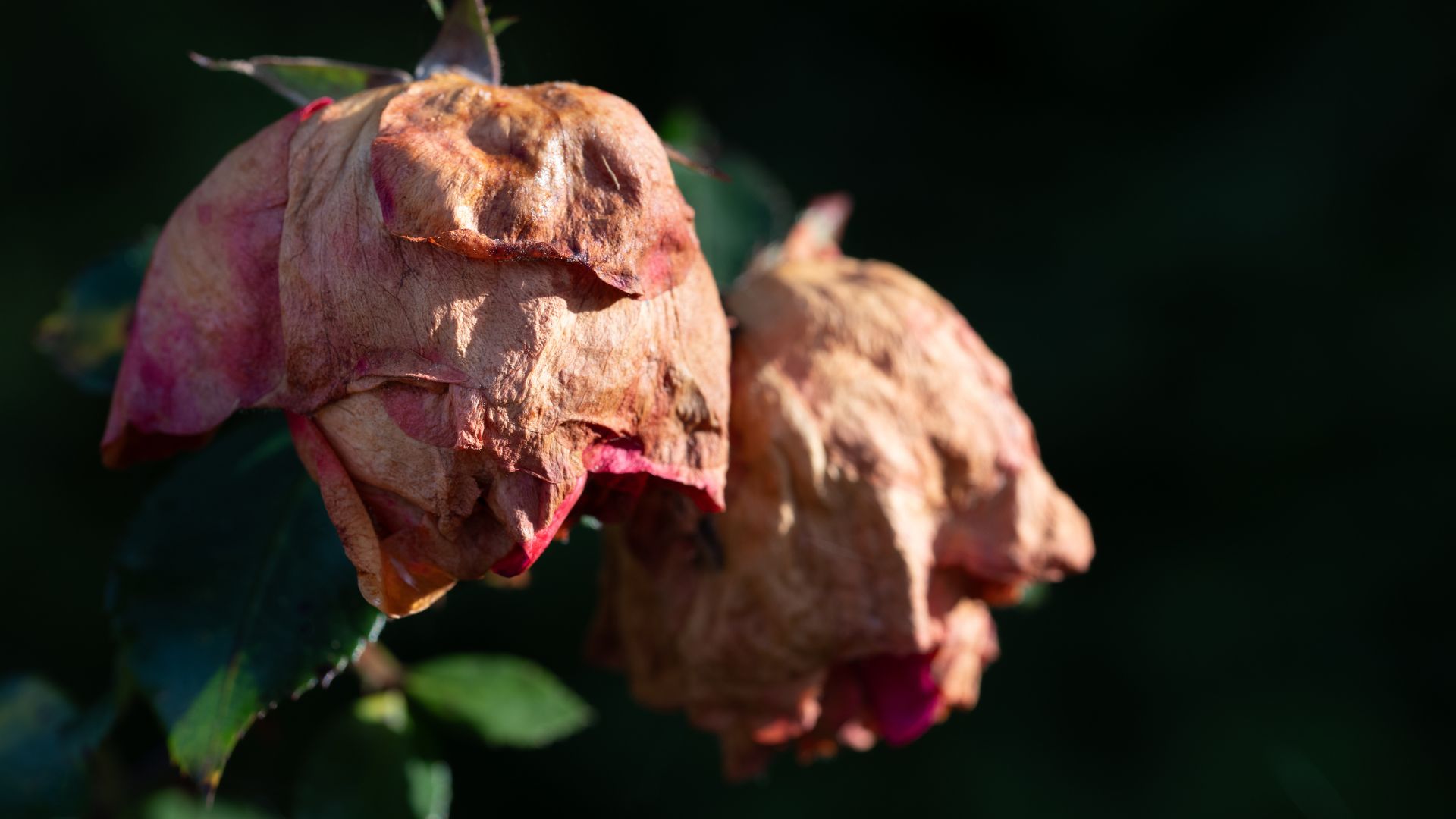
Plant wilting can be attributed to several factors, and recognizing these causes is vital for effective plant care. One of the most common reasons is underwatering. When plants don’t receive sufficient water, their cells lose turgor pressure, leading to drooping leaves and stems. This condition can be exacerbated by environmental factors such as extreme heat or wind, which increase evaporation rates and stress the plant further. Therefore, regular monitoring of soil moisture levels becomes essential. Ensuring your plants are adequately hydrated is crucial for maintaining optimal plant health, particularly during hot weather or dry spells. Additionally, understanding the specific water needs of different plant species can help tailor your watering routine, ensuring that each plant receives the right amount of moisture.
Common Causes of Plant Wilting
Aside from underwatering, diseases can also lead to plant wilting. For instance, vascular wilt diseases, which disrupt the plant’s ability to transport water and nutrients, can be particularly devastating. As noted by Forest Pathology, these diseases often manifest in specific plant species and can lead to rapid decline if not addressed promptly. Moreover, pests such as aphids and spider mites can damage plant tissues, further contributing to wilting symptoms. These pests not only sap nutrients but can also introduce pathogens that exacerbate the wilting process. Therefore, it’s important to regularly inspect your plants for signs of both environmental stress and disease. Implementing integrated pest management strategies can also help mitigate these issues, ensuring a healthier plant environment.
Identifying Symptoms of Wilting
Recognizing the symptoms of wilting is equally important. First, observe the leaves; if they appear limp and lack firmness, it may indicate dehydration. Furthermore, yellowing leaves or browning tips often signal underlying issues, such as nutrient deficiencies or root problems. Additionally, if you notice that the soil remains excessively dry despite watering, it could be a sign of root rot caused by overwatering or other diseases. Consequently, keeping a close eye on these symptoms will help you diagnose the problem early. For more insights on how to identify specific plant diseases, check out this Beginner’s guide on diagnosing plant diseases. By understanding these signs and causes, you can take proactive steps to ensure your plants remain healthy and vibrant. Regularly educating yourself on plant care and maintenance will empower you to create a flourishing garden environment.
Diagnostic Tree for Plant Wilting
Utilizing a diagnostic tree can significantly streamline the process of identifying the causes of plant wilting. This method allows you to visualize various potential issues systematically, guiding you through a series of questions and observations. By following this logical structure, you can narrow down possible causes based on the symptoms observed in your plants. Not only does this approach save time, but it also enhances your ability to tackle the problem effectively.
The diagnostic tree is designed to help gardeners recognize symptoms, evaluate environmental factors, and pinpoint the underlying causes of wilting. This visual representation aids in making informed decisions about necessary interventions. Moreover, understanding these diagnosis methods can empower you to create a more resilient garden.
Utilizing the Diagnostic Tree for Wilt Diagnosis
To effectively use the diagnostic tree for plant wilting, start by closely observing your plant’s symptoms. Begin with the most apparent signs, such as leaf drooping or discoloration. Next, refer to the tree to navigate through possible causes, including overwatering, underwatering, or pest infestations. Each branch will lead you to specific diagnosis methods, helping you rule out options until you reach the most likely issue.
It’s essential to document your findings as you proceed through the tree. This practice not only reinforces your understanding but also allows for better tracking of plant health over time. Consequently, you can identify patterns or recurring issues that may require a more in-depth analysis.
Common Issues Identified in Plant Wilting
The diagnostic tree can uncover various common issues that lead to wilting. For instance, one of the most frequent culprits is improper watering practices, whether it be overwatering or underwatering. Additionally, root rot, caused by excessive moisture, and nutrient deficiencies often manifest as wilting. Pest infestations can also be identified through this method, as they might damage plant tissues, hindering water transport.
To illustrate these points, here’s a visual representation of the diagnostic tree for plant wilting:
| Symptoms Observed | Possible Causes | Suggested Actions |
|---|---|---|
| Leaf drooping | Underwatering | Increase watering frequency |
| Yellowing leaves | Overwatering | Reduce watering and improve drainage |
| Wilting despite watering | Pests or diseases | Inspect for pests, treat accordingly |
| Stunted growth | Nutrient deficiency | Apply appropriate fertilizers |
By utilizing the diagnostic tree, you can effectively identify and address common issues, leading to healthier plants. For further insights, refer to the Overview of main causes of plant diseases. This resource will enhance your understanding and provide valuable context as you diagnose your plants.
Comparing Wilting Diseases: Symptoms and Solutions
Comparing different wilt diseases can significantly enhance your understanding of how to care for your plants effectively. Both fungal and bacterial wilt diseases present unique challenges, and recognizing their differences is vital for successful management. Fungal plant diseases, such as Fusarium wilt and Verticillium wilt, typically enter through the roots, where they block water transport within the plant. This blockage can lead to a gradual decline in plant health, often resulting in stunted growth and eventual death. Conversely, bacterial wilt diseases often spread via contaminated water or soil, causing rapid plant decline and often leading to a swift collapse of the affected plants. Understanding these distinctions not only aids in diagnosis but also helps in tailoring your approach to each disease, ensuring that your plants receive the most appropriate care.
Fungal vs. Bacterial Wilt Diseases
Fungal wilt diseases usually exhibit more gradual symptoms, often starting with yellowing leaves that eventually wilt. For example, Fusarium wilt affects plants like tomatoes and involves a characteristic browning of the vascular tissue, leading to visible wilting and a lack of vigor. This disease can persist in the soil for years, making it particularly challenging to manage. On the other hand, bacterial wilt tends to show sudden wilting, often with a rapid collapse of entire plants. Symptoms such as ooze from cut stems indicate a bacterial infection and can spread quickly, especially in warm, moist conditions. Hence, knowing these signs allows for timely intervention, which is crucial for plant survival. Furthermore, understanding the life cycles and environmental preferences of these pathogens can help in implementing preventive measures.
Identifying Symptoms
Identifying symptoms of wilting diseases is key to effective diagnosis and treatment. First, look for drooping leaves or stems, which may indicate a broader issue. For instance, if you notice wilting alongside discolored vascular tissue, this could signal a fungal infection. Additionally, consider the presence of any foul odors or sticky residues, as these may indicate bacterial wilt. Observing the overall condition of the plant, including growth patterns and leaf texture, can provide further clues. For more details on various wilt diseases, check out Wilt Diseases. By recognizing specific symptoms, you can implement targeted solutions, such as improving drainage for fungal issues or practicing crop rotation to combat bacterial infections. Ultimately, early detection plays a pivotal role in managing these plant diseases effectively, ensuring your garden remains healthy and vibrant. Additionally, consider consulting local agricultural extensions or plant pathology resources for tailored advice based on your region’s specific challenges.
Practical Steps for Diagnosing Plant Wilting
Diagnosing wilting in plants requires a systematic approach to effectively identify the underlying causes. First, assess the environmental conditions surrounding the plant. Check whether the soil is dry or overly saturated, as both conditions can lead to wilting. You can achieve this by sticking your finger into the soil; if it feels dry several inches down, it’s time to water. Conversely, soggy soil suggests overwatering, which can drown roots and impede their ability to absorb nutrients and moisture. Therefore, understanding these basics is the first step in your diagnosis methods.
Step-by-Step Diagnosis Process
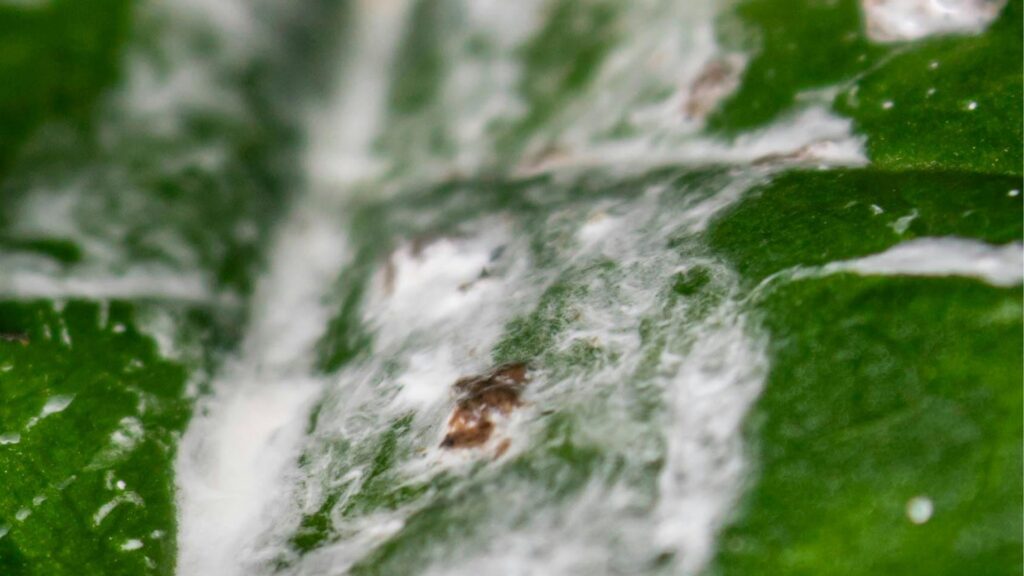
Next, closely examine the plant for any visible signs of pests or diseases. Look for discolored leaves, webbing, or tiny insects on the undersides of leaves, as these can signal pest infestations. Additionally, inspect the stems for lesions or unusual growths that could indicate disease. For instance, if you notice wilting accompanied by yellowing leaves, it may suggest a nutrient deficiency or disease. To illustrate, root rot often presents as wilting despite wet soil, so consider checking the roots for signs of decay. Timely recognition of these symptoms can help you take appropriate action.
Moreover, consider the plant’s location. Is it receiving adequate sunlight? Insufficient light can lead to weak growth, making plants more susceptible to wilting. Adjusting the plant’s position or providing supplemental light can make a significant difference. Similarly, temperature fluctuations or drafts can stress plants; therefore, ensure they are placed in a stable environment. Following these diagnostic steps will provide you with a clearer picture of what might be causing the wilting.
Gardening Tips for Healthy Plants
Prevention is key to ensuring your plants remain healthy and vibrant. Start by implementing a regular watering schedule tailored to the specific needs of each plant. Some plants prefer dry conditions, while others thrive in consistently moist soil. Consequently, familiarize yourself with the watering requirements of your plants to avoid common pitfalls. Additionally, mulching can help retain soil moisture and regulate temperature, providing a more stable environment for root systems.
Furthermore, regularly check for pests and diseases to catch any problems early. For example, you can inspect your plants frequently and learn to recognize early symptoms of plant diseases. If you want to dive deeper into this topic, it’s essential to recognize early symptoms of plant diseases. Lastly, ensure your plants are well-fed by using appropriate fertilizers, as nutrient deficiencies can lead to wilting. By following these gardening tips, you can foster a thriving environment that minimizes the risk of wilting in your plants.
User Experiences: Case Studies on Plant Recovery from Wilt
User experiences in recovering plants from wilt can provide valuable insights into effective plant care strategies. Many gardeners have shared their journeys of revitalizing wilting plants, shedding light on techniques that can make a significant difference. For instance, a gardener faced with a drooping tomato plant discovered that adjusting the watering schedule was crucial. After conducting a thorough plant health assessment, they identified that their soil was compacted, limiting water absorption. By aerating the soil and ensuring consistent moisture, the plant bounced back, producing a fruitful harvest. This case illustrates how simple adjustments can lead to remarkable recoveries, emphasizing the importance of attentive care.
Moreover, these experiences often highlight the trial-and-error nature of gardening. A homeowner struggling with a wilting hydrangea noticed the leaves were yellowing and limp. After researching and consulting experts, she realized that the issue stemmed from root rot due to overwatering. Consequently, she decided to repot the hydrangea in fresh, well-draining soil and adjusted her watering technique. Within weeks, the plant showed signs of recovery, demonstrating resilience and the importance of proper plant care methods. Such stories serve as encouragement for other gardeners facing similar challenges, showcasing that recovery is possible with the right approach.
Real-Life Recovery Stories
In another inspiring case, a gardener revived a wilting snake plant, which is typically known for its hardiness. The owner discovered that the plant was suffering from insufficient light and was placed in a dim corner of the house. By relocating it to a brighter area and adjusting the watering schedule to allow the soil to dry out between waterings, the snake plant began to thrive once again. This experience underscores the significance of understanding specific plant needs, as even resilient species can succumb to neglect.
Lessons Learned from Plant Care
These experiences highlight the significance of understanding specific plant needs. For example, proper drainage and moisture levels are critical for preventing diseases like Verticillium wilt. As noted in the RHS advice on Verticillium Wilt: Prevention & Care, timely interventions can prevent further damage. Additionally, maintaining a routine for plant health assessments can help gardeners catch issues early. Consequently, implementing these lessons can lead to a thriving garden, ensuring that wilting plants can recover and flourish with the right care. Ultimately, these case studies not only provide practical solutions but also foster a sense of community among gardeners, encouraging shared knowledge and support.
Bringing It All Together: Your Path to Healthy Plants
Ultimately, understanding wilt diagnosis is essential for anyone striving to achieve optimal plant health. By recognizing the signs of wilting early, you not only safeguard your plants from potential decline but also enhance your overall gardening experience. Moreover, proactive plant care—such as regular monitoring of water levels and environmental conditions—can significantly impact the vitality of your plants.
To summarize, the key to maintaining healthy plants lies in your ability to identify issues before they escalate. Whether addressing nutrient deficiencies, environmental stress, or pest infestations, timely intervention is crucial. Furthermore, by familiarizing yourself with the common causes of wilting, you empower yourself to take effective measures that promote growth and resilience. Therefore, take the first step today. Equip yourself with the necessary knowledge and tools for accurate wilt diagnosis, and implement a routine that ensures your plants thrive. Remember, a healthy plant not only contributes to a beautiful garden but also enriches your overall well-being. Lastly, as you continue your journey in plant care, remain curious and adaptable, for every season brings new challenges and opportunities for growth.