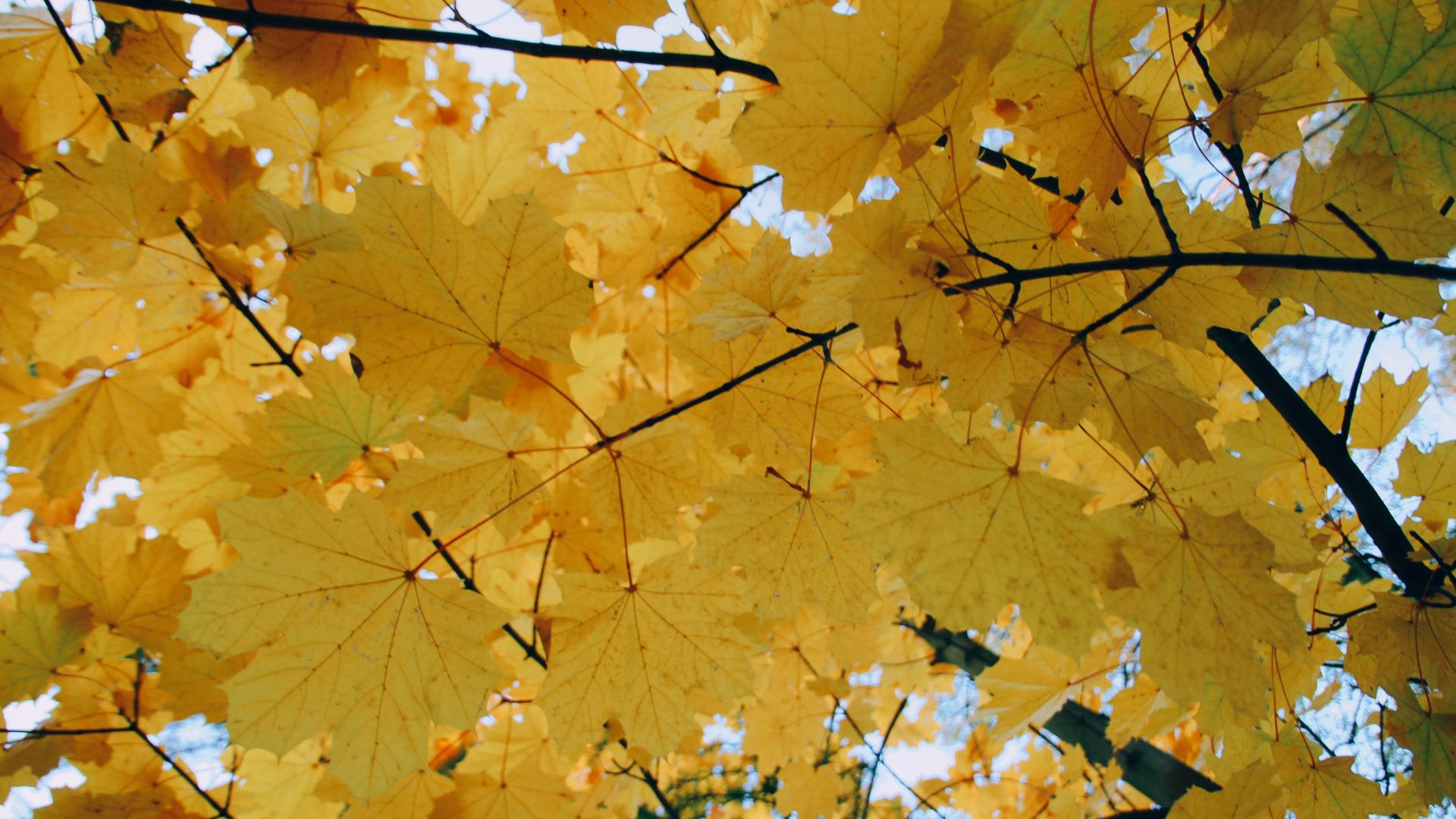
Yellowing leaves can be a gardener’s worst nightmare, signaling distress in your beloved plants. This common issue often indicates underlying problems that may range from nutrient deficiencies to environmental stressors, such as improper watering or inadequate light. Understanding the reasons behind these yellowing leaves is crucial for effective plant care, as it ensures your greenery remains vibrant and healthy. Moreover, recognizing the specific symptoms can help you address issues before they escalate, ultimately saving your plants from further damage.
In this article, we will explore the various causes of yellowing leaves, providing you with practical insights and solutions for diagnosing and treating the issue. We will delve into the role of soil quality, watering practices, and pest infestations, among other factors. Furthermore, we will discuss specific care techniques tailored to different plant types, enabling you to take a proactive approach in maintaining your indoor and outdoor gardens. By the end, you’ll be equipped with the knowledge needed to reverse yellowing leaves and promote thriving, lush plants, ensuring your gardening efforts yield fruitful results.
Common Causes of Yellowing Leaves in Plants
Yellowing leaves can arise from various causes, each indicating a distinct underlying issue that requires attention. Understanding these factors is essential for effective plant care. Two of the most common culprits are nutrient deficiencies and water issues. By identifying these problems early, you can take appropriate measures to restore your plants to optimal health and vitality.
Identifying Nutrient Deficiencies
Nutrient deficiencies are a primary cause of yellowing leaves. When plants lack essential nutrients, such as nitrogen, magnesium, or iron, they struggle to produce chlorophyll, leading to discoloration. For instance, nitrogen deficiency often results in the entire leaf turning yellow, starting from the base and moving outward. Conversely, magnesium deficiencies may cause yellowing between the veins, while the veins themselves remain green. To combat these issues, consider applying a balanced fertilizer tailored to your plant’s specific needs. Additionally, soil testing can help determine which nutrients are lacking, enabling you to make informed decisions about necessary amendments.
Water Issues Impacting Leaf Health
Water issues also significantly impact leaf health and can lead to yellowing. Overwatering or underwatering can stress plants, resulting in symptoms like yellowing leaves. For example, overwatering often suffocates roots, causing them to rot and leading to yellowing as the plant cannot absorb nutrients effectively. Conversely, underwatering can cause leaves to dry out and turn yellow, particularly along the edges. Therefore, it’s crucial to monitor your watering habits and adjust them based on your plant’s specific needs. Always check the soil moisture before watering; a good rule of thumb is to ensure the top inch of soil is dry before adding more water. Consequently, maintaining a consistent watering schedule can greatly improve your plants’ overall health.
Recognizing the signs of nutrient deficiencies and water issues is vital for the well-being of your plants. By addressing these common causes, you can help prevent yellowing leaves and ensure your plants thrive. For further insights on related problems and solutions, you can refer to the Leaf Yellowing Problems of Flowers by the University of Maryland Extension.
Nutrient Deficiencies Causing Yellow Leaves
Nutrient deficiencies can significantly impact plant health, leading to symptoms such as yellowing leaves. Each essential nutrient plays a unique role in plant nutrition, and when these nutrients are insufficient, plants exhibit specific visual signs. By understanding which nutrients are critical and how their deficiencies manifest, gardeners can take proactive steps to remedy the situation. This knowledge not only aids in diagnosing issues but also empowers gardeners to implement effective solutions, ensuring that plants receive the care they need to thrive.
To help you identify the necessary nutrients and their corresponding deficiency symptoms, we’ve compiled a concise table below. This comparison highlights the primary nutrients required for healthy plant growth and the telltale signs when they are lacking. Recognizing these signs early can prevent further deterioration of plant health and promote a more vibrant garden.
Key Nutrients and Their Roles
Plants require various nutrients, but three stand out due to their frequent association with yellowing leaves: nitrogen, magnesium, and iron. Nitrogen is vital for overall growth and chlorophyll production, which is why its deficiency often results in entire leaves yellowing. This can lead to stunted growth and a general decline in plant vigor. Magnesium, on the other hand, is essential for photosynthesis and can cause yellowing between leaf veins when lacking, often referred to as interveinal chlorosis. Lastly, iron is crucial for chlorophyll synthesis and, when deficient, causes young leaves to yellow while older leaves remain green. Understanding these roles helps in diagnosing issues effectively and allows for targeted interventions.
| Nutrient | Role in Plant Nutrition | Deficiency Symptoms |
|---|---|---|
| Nitrogen | Promotes growth and chlorophyll production | Whole leaf yellowing, starting from base |
| Magnesium | Aids in photosynthesis | Yellowing between veins, with green veins |
| Iron | Essential for chlorophyll synthesis | Young leaves yellowing, older leaves remain green |
Symptoms of Deficiency
Recognizing the symptoms of nutrient deficiencies is crucial for timely intervention. A nitrogen deficiency often results in uniform yellowing of leaves, which may affect the entire plant over time, leading to reduced yield in fruiting plants. In contrast, magnesium deficiency typically presents as yellowing between the veins of older leaves, while the veins themselves stay green, which can also result in leaf curling. Iron deficiency manifests in new growth, where young leaves become pale yellow, indicating a lack of chlorophyll. Consequently, addressing these deficiencies promptly can restore plant health and vibrant greenery. Moreover, regularly monitoring your plants and soil can help you identify early plant disease symptoms to ensure they remain healthy and thriving. Additionally, consider conducting soil tests to assess nutrient levels, allowing for more precise fertilization strategies that cater to your plants’ specific needs. This proactive approach not only enhances plant growth but also contributes to a more sustainable gardening practice.
Water Issues: The Hidden Culprit Behind Yellowing Leaves
Water issues are often overlooked when diagnosing yellowing leaves, yet they play a significant role in leaf health. Both overwatering and underwatering can lead to similar symptoms, creating confusion for gardeners. To maintain vibrant foliage, understanding the nuances of water management is essential. When plants receive too much or too little water, their overall health declines, often resulting in yellow leaves. This phenomenon can be particularly frustrating, as it may not be immediately clear whether the plant is suffering from drought stress or root rot. Therefore, developing a keen eye for the signs of water-related issues is crucial for any gardener aiming to preserve their plants’ vitality.
Moreover, the impact of water issues extends beyond just the leaves. It can affect the entire plant structure, including root health and overall growth. For example, over time, consistently poor watering practices can weaken a plant’s immune system, making it more susceptible to pests and diseases. Conversely, underwatering can stunt growth and lead to a lack of flowering or fruiting. Thus, understanding the delicate balance of water management is vital for long-term plant care.
Overwatering vs Underwatering
Overwatering is a common mistake among plant owners. When roots sit in waterlogged soil, they cannot access the oxygen necessary for healthy growth. Consequently, the plant begins to exhibit yellowing leaves, starting with the lower leaves. These leaves may also become soft and mushy, indicating that the plant is struggling to cope with excess moisture. On the other hand, underwatering causes dehydration, leading to stress that can also manifest as yellow leaves. The plant struggles to maintain turgor pressure, and leaf health deteriorates, often resulting in crispy, dry edges. Therefore, it’s vital to strike a balance. Regularly check the moisture level of the soil using your finger or a moisture meter to ensure your plants are receiving the proper amount of water.
Signs of Water Stress in Plants
Recognizing signs of water stress can help you intervene before significant damage occurs. For instance, if you notice yellowing leaves accompanied by wilting, your plant may be underwatered. Conversely, yellow leaves that feel soft or mushy often indicate overwatering. Additionally, roots may start to rot in waterlogged conditions, further complicating recovery efforts. To illustrate, if you see leaves dropping or a general lack of vigor in your plant, these are clear signs of distress related to water issues. Furthermore, you might observe stunted growth or a failure to produce new leaves, which can be alarming. Therefore, monitoring soil moisture and adjusting your watering routine is crucial for maintaining leaf health. By implementing a consistent watering schedule and being mindful of your plant’s specific needs, you can significantly improve its overall well-being. For more details on the causes of yellowing leaves, check out 8 Reasons Why Indoor Plant Leaves Turn Yellow – The Spruce.
Plant Diseases: Identifying the Symptoms of Leaf Discoloration
Leaf discoloration is a common symptom of various plant diseases, often manifesting as yellowing, browning, or other color changes. Identifying these changes early can save your plants from further stress and damage. Leaf discoloration can arise from several plant diseases, which may be due to pathogens like fungi, bacteria, or viruses. Therefore, understanding the specific symptoms associated with these diseases is essential for effective management. Additionally, leaf discoloration can also be a response to environmental stressors such as nutrient deficiencies, improper watering, or inadequate light exposure. By recognizing the signs of these issues, you can take timely action to restore your plants’ health and vitality.
Understanding the nuances of leaf discoloration is crucial for any gardener. For example, yellowing leaves can indicate a range of problems, from overwatering to pest infestations. Conversely, browning tips may suggest underwatering or nutrient burn. Thus, a comprehensive approach to diagnosing plant diseases involves not just identifying the symptoms but also considering the broader context of plant care practices. This holistic understanding can significantly enhance your ability to maintain healthy plants.
Common Plant Diseases Affecting Leaves
One of the most prevalent plant diseases that cause leaf discoloration is fungal infections, such as powdery mildew. This disease typically appears as a white powdery coating on leaves, leading to yellowing and wilting. Additionally, bacterial blight can cause dark spots, which may eventually lead to leaf drop. Viruses, such as the mosaic virus, can produce mottled yellowing patterns on leaves, indicating a serious health concern. Recognizing these symptoms is crucial, as each disease requires a different treatment approach. For instance, powdery mildew may be treated with fungicides or by improving air circulation around the plant.
Moreover, environmental factors can exacerbate these diseases. For instance, high humidity levels can encourage fungal growth, while poor air circulation may lead to bacterial issues. Therefore, keeping an eye on environmental conditions is just as important as monitoring for specific disease symptoms. Furthermore, ensuring proper spacing between plants can help reduce the risk of disease spread, as crowded conditions often create a favorable environment for pathogens.
How to Diagnose Plant Diseases
Diagnosing plant diseases requires careful observation and knowledge of typical symptoms. First, examine the leaves closely for discoloration patterns, spots, or wilting. Take note of any accompanying symptoms, such as stunted growth or abnormal leaf shapes. Additionally, consider the plant’s environment—factors like soil moisture, sunlight exposure, and temperature can significantly influence plant health.
To facilitate diagnosis, you can compare your observations with reliable resources or consult local gardening experts. Resources such as extension services often provide valuable insights into local plant diseases. Furthermore, consider taking photographs of the affected leaves to document changes over time. This practice can help you identify trends and respond promptly to potential plant diseases. Consequently, maintaining a proactive approach will enhance your ability to manage leaf discoloration effectively and keep your plants healthy. By integrating these diagnostic techniques into your routine, you can ensure that your gardening efforts yield thriving, vibrant plants.
Case Studies of Yellowing Leaves in Different Plants
Yellowing leaves can occur in various plants, each presenting unique challenges and requiring tailored responses. By examining specific case studies, we can gain insights into how different species respond to stressors that cause yellowing leaves. This analysis will help gardeners identify symptoms and take appropriate measures in their gardening care practices. Below, we present a table summarizing several case studies of plants affected by yellowing leaves, along with their corresponding causes. Understanding these cases not only aids in diagnosis but also enhances the overall gardening experience by fostering a deeper connection with plant care.
| Plant Species | Symptoms of Yellowing Leaves | Likely Causes |
|---|---|---|
| Tomato (Solanum lycopersicum) | Entire leaves yellowing and wilting | Nitrogen deficiency, overwatering |
| Spider Plant (Chlorophytum comosum) | Yellowing leaf tips and edges | Low humidity, nutrient imbalance |
| Peace Lily (Spathiphyllum spp.) | Yellowing leaves with dark spots | Overwatering, root rot |
| Fiddle Leaf Fig (Ficus lyrata) | Yellowing and dropping lower leaves | Insufficient light, pest infestation |
| Hibiscus (Hibiscus rosa-sinensis) | Interveinal chlorosis (yellowing between veins) | Magnesium deficiency |
Examples Across Various Species
In the case of the tomato plant, yellowing leaves typically indicate a nitrogen deficiency or overwatering. Nitrogen is crucial for leaf growth and development, so addressing these deficiencies through balanced fertilization can make a significant difference. For instance, using a nitrogen-rich fertilizer can rejuvenate the plant, promoting lush green foliage. Conversely, spider plants often exhibit yellowing at the tips due to low humidity or nutrient imbalances. Providing adequate moisture and using a quality fertilizer will enhance their health. Additionally, misting the leaves can help increase humidity levels, creating a more favorable environment for growth.
Similarly, peace lilies develop yellow leaves with dark spots primarily due to overwatering, leading to root rot. Ensuring proper drainage and allowing the soil to dry out between watering sessions can help mitigate this issue. Furthermore, incorporating a well-draining potting mix can prevent excess moisture retention, which is vital for the plant’s health.
Analyzing the Causes
The fiddle leaf fig illustrates how insufficient light can lead to yellowing and dropping of lower leaves. These plants thrive in bright, indirect sunlight, so adjusting their placement can resolve the problem. Additionally, pest infestations, such as spider mites, may also contribute to leaf yellowing. Regular monitoring and treatment with insecticidal soap can keep these issues at bay. To further protect these plants, consider introducing beneficial insects, like ladybugs, which can naturally control pest populations.
Finally, hibiscus plants often show interveinal chlorosis, where the space between leaf veins turns yellow while the veins remain green. This condition indicates a magnesium deficiency. To address this, gardeners should consider amending the soil with Epsom salts or a magnesium-rich fertilizer. Moreover, ensuring that the plant receives adequate sunlight can enhance nutrient absorption, promoting overall health.
Understanding these case studies not only highlights the diverse nature of yellowing leaves across various plant species but also emphasizes the importance of tailored gardening care. By identifying the symptoms and applying targeted solutions, you can effectively prevent plant diseases and ensure vibrant, healthy growth in your garden. This comprehensive approach to plant care fosters a more rewarding gardening experience, allowing you to cultivate a thriving environment for your plants. For further guidance, you can prevent plant diseases effectively.
Effective Plant Care Tips to Prevent Yellowing Leaves
Effective plant care is essential to prevent yellowing leaves and foster healthy growth. By following best practices and maintaining a consistent care routine, you can ensure your plants thrive. First, it’s important to understand the specific needs of each plant type, as some may require more attention than others. For example, tropical plants often need higher humidity levels compared to succulents, which prefer drier conditions. Additionally, addressing environmental factors such as light, temperature, and humidity can significantly impact plant health. Therefore, staying observant and responsive to your plants’ requirements will help you avoid potential issues. Regularly adjusting your care routine based on seasonal changes is also beneficial, as plants may need different levels of care throughout the year.
Best Practices for Soil Health
Soil health plays a crucial role in plant maintenance and overall vitality. A well-aerated, nutrient-rich soil promotes robust root development and prevents yellowing leaves. To achieve this, consider incorporating organic matter like compost or aged manure into your soil mix. This addition not only enriches the soil but also improves its drainage and moisture retention. Furthermore, regularly checking pH levels ensures that the soil remains conducive to nutrient absorption. If the pH is too high or too low, it can hinder nutrient availability, leading to deficiencies. Therefore, utilizing soil testing kits can provide valuable insights into your soil’s condition. Thus, monitoring and adjusting soil health is vital for keeping leaves vibrant and green, ultimately supporting the entire plant’s growth.
Routine Maintenance for Leaf Health
Routine maintenance is key to maintaining leaf health and preventing yellowing. Regularly inspecting your plants for signs of pests or diseases can help you catch problems early. For instance, yellowing leaves may indicate an infestation of aphids or spider mites, necessitating immediate intervention. Additionally, ensuring that you water your plants appropriately is important; overwatering can lead to root rot, while underwatering can cause stress. Consequently, sticking to a consistent watering schedule while allowing the topsoil to dry out between waterings often keeps plants thriving. Moreover, cleaning leaves to remove dust can enhance photosynthesis, thus promoting healthy foliage. Furthermore, providing adequate airflow around your plants can reduce the risk of fungal infections. With these simple yet effective strategies, you can enjoy lush, green plants year-round, creating a vibrant indoor or outdoor space.
Your Action Plan for Healthy Leaves
Ultimately, your action plan for healthy leaves hinges on understanding the causes of yellowing leaves and taking prompt, informed action. By diagnosing the underlying issues—whether they stem from nutrient deficiencies, improper watering practices, or environmental factors—you can ensure your plants receive the proper care they need to thrive.
To summarize, proactive plant care involves regularly checking your plants for signs of distress, adjusting your watering schedule, and providing necessary nutrients. Moreover, investing time in soil testing can yield valuable insights that guide your fertilization efforts, ensuring that your plants have access to essential elements for growth. Additionally, consider the importance of light conditions; plants that are not receiving adequate sunlight may also exhibit yellowing leaves. Therefore, adjusting their placement or using supplemental lighting can significantly improve their health.
Consequently, by implementing these strategies, you will not only reverse yellowing leaves but also promote overall plant health and vitality. Remember, gardening is a journey filled with learning opportunities. Embrace the process, observe your plants closely, and adapt your care techniques as needed. This ongoing engagement will enhance your skills and deepen your connection with your plants. So, take action now—your plants will thank you with lush, green leaves and a vibrant garden that flourishes under your attentive care!