Garden pests can be a gardener’s worst nightmare, wreaking havoc on plants and crops alike. From aphids to caterpillars, these unwanted visitors not only damage your hard work but can also spread diseases that threaten the health of your garden. Understanding how to identify and manage these pests is crucial for anyone looking to cultivate a thriving outdoor space. Moreover, recognizing the signs of an infestation early can make a significant difference in the effectiveness of your control measures.
In this article, we will delve into common insect questions, providing you with essential insights into effective pest management strategies. Additionally, we will explore the different types of garden pests, their behaviors, and the best practices to keep them at bay. For instance, learning about beneficial insects that can help combat harmful ones will empower you to create a balanced ecosystem in your garden. By equipping yourself with this knowledge, you can protect your garden and ensure its continued beauty and productivity, ultimately leading to a more rewarding gardening experience.
Understanding Common Garden Pests: Identification and Management
Garden pests come in many shapes and sizes, making it essential for gardeners to understand how to identify and manage them effectively. Common pests like aphids, spider mites, and caterpillars can cause significant damage if not dealt with promptly. Additionally, recognizing the signs of infestations early can save your plants from serious harm. For example, aphids produce a sticky substance called honeydew, which can attract ants and lead to sooty mold on leaves. Consequently, knowing what to look for is the first step in safeguarding your garden. Furthermore, understanding the life cycles of these pests can enhance your management strategies, as it allows you to anticipate their behavior and plan accordingly.
Identifying Common Garden Insects
Identifying garden insects can be challenging, especially for novice gardeners. Some pests are small and blend in with the foliage, while others may be more conspicuous. To illustrate, caterpillars can be found munching on leaves, often leaving large holes as evidence of their presence. Moreover, beetles may feed on roots, which can be less visible until the plant shows signs of distress. A useful resource is our visual guide for identifying garden insects, which provides images and descriptions to help you distinguish between harmful insects and beneficial ones. This knowledge allows you to act quickly and efficiently when a pest problem arises. Additionally, familiarizing yourself with the specific plants in your garden can help you identify which pests are likely to target them, thereby enhancing your pest management efforts.
Effective Management Techniques
Once you’ve identified the common pests affecting your garden, the next step is effective management. There are numerous strategies you can employ. First, consider introducing beneficial insects, such as ladybugs, which feed on aphids and can help control their population naturally. Additionally, employing physical barriers like row covers can deter pests without using chemicals. However, if infestations are severe, you may need to resort to organic pesticides. These options are less harmful to the environment and can be effective against many garden insects. Furthermore, practicing crop rotation can disrupt the life cycles of pests, making it harder for them to establish themselves in your garden. For more detailed strategies, you can refer to the comprehensive resource provided by Yard and Garden, which answers many common insect-related questions.
By familiarizing yourself with common pests and their management techniques, you can cultivate a healthy garden that thrives despite the challenges posed by garden insects. Being proactive and informed will ultimately lead to a more enjoyable gardening experience. Remember, a well-maintained garden not only provides beauty and sustenance but also serves as a sanctuary for beneficial wildlife, creating a balanced ecosystem that supports both plants and animals alike.
Popular Pest Management Techniques: Pros and Cons
Pest management techniques play a crucial role in maintaining a healthy garden while minimizing the impact on the environment. Gardeners often find themselves torn between using organic solutions for garden pest problems and resorting to chemical pest control methods. Each approach has its own set of benefits and drawbacks, which can significantly influence your gardening practices. Understanding these pros and cons will help you make informed decisions that align with your gardening philosophy and environmental considerations. Moreover, the choice of pest management technique can also affect the long-term health of your garden ecosystem, making it essential to weigh your options carefully.
Below, we compare the most popular pest management techniques, highlighting their effectiveness and environmental impact.
| Pest Management Technique | Pros | Cons |
|---|---|---|
| Organic Pest Control | Safe for beneficial insects; environmentally friendly; promotes soil health | May require more frequent applications; effectiveness can vary; slower results |
| Chemical Pest Control | Quick and effective; broad-spectrum action; often requires fewer applications | Potential harm to beneficial insects; chemical residues; environmental pollution |
Organic Pest Control Methods
Organic pest control methods emphasize the use of natural substances and biological agents to manage pests. These approaches are particularly favored by gardeners who prioritize sustainability and environmental health. For instance, using neem oil or insecticidal soap can effectively manage common pests without harming beneficial insects like bees and ladybugs. Additionally, organic solutions promote a healthier ecosystem and can improve soil health over time. For example, introducing beneficial nematodes can help control soil-dwelling pests without the use of chemicals. However, it’s important to note that organic methods often require more frequent applications and may not work as quickly as chemical alternatives. Thus, patience is essential when opting for organic pest management. Furthermore, gardeners may need to adopt a more proactive approach, regularly monitoring their plants for signs of pests and applying treatments as needed.
Chemical Pest Control Options
On the other hand, chemical pest control options provide a more immediate solution to pest problems. Many chemical pesticides are designed to target specific pests, ensuring a rapid decrease in pest populations. This approach is particularly useful for severe infestations where quick action is necessary to save plants. For instance, systemic insecticides can be absorbed by plants, providing long-lasting protection against pests. However, these chemical solutions come with significant drawbacks. They can harm beneficial insects and may contribute to environmental issues, such as water contamination. Moreover, the overuse of chemical pesticides can lead to the development of pest resistance, making it increasingly difficult to manage infestations effectively. Therefore, while chemical pest control may seem efficient, it is crucial to consider the long-term implications for your garden and the surrounding environment. Additionally, integrating chemical methods with other pest management strategies can help mitigate some of these risks.
In summary, the choice between organic and chemical pest management methods depends on various factors, including your gardening goals, the severity of the pest problem, and environmental considerations. For those looking for effective, sustainable solutions, exploring top pest prevention strategies can further enhance your pest management practices. By weighing the pros and cons of each method, you can create a pest control plan that balances efficacy with ecological responsibility. Ultimately, the goal is to foster a thriving garden that not only produces healthy plants but also supports a diverse and resilient ecosystem.
Frequently Asked Questions About Garden Pests
Gardeners often have numerous questions regarding pests that threaten their beloved plants. To help you navigate these concerns, we’ve compiled a list of frequently asked questions (FAQ) related to common insect questions. Understanding these topics not only equips you with valuable knowledge but also encourages you to engage more with the gardening community. After all, sharing experiences and solutions can lead to healthier gardens and a more vibrant gardening culture. By addressing these common inquiries, you can enhance your gardening skills and foster a deeper connection with your plants and fellow gardeners.
Common Questions and Answers
One common inquiry involves whether all insects in the garden are harmful. The answer is no; many insects play beneficial roles. For instance, ladybugs are natural predators of aphids, making them valuable allies in pest control. Additionally, pollinators like bees and butterflies are essential for the growth of many plants, as they facilitate the pollination process. Therefore, while it’s crucial to control pest populations, it’s equally important to protect beneficial insects that contribute to a thriving ecosystem. Another frequently asked question addresses the best methods for pest control. Organic options, such as neem oil or insecticidal soap, can effectively manage pests without harming the environment or beneficial insects. Moreover, introducing companion planting can deter pests naturally, creating a more sustainable approach to pest management.
User-Generated Questions
Gardeners often turn to forums and social media to seek advice on specific pest problems. For example, some may ask how to deal with a sudden influx of caterpillars. In such cases, handpicking them can be effective, particularly for smaller infestations. Additionally, creating barriers like floating row covers can prevent further damage by physically blocking pests from reaching your plants. Similarly, if you’re dealing with persistent pests, consider rotating your planting strategies. This not only disrupts the life cycle of pests but also promotes healthier soil by preventing nutrient depletion. Furthermore, incorporating beneficial insects, such as parasitic wasps, can provide a natural solution to pest problems.
For more insights, you can explore a variety of common pest questions at Garden Pest Control Questions & Answers | Questions 1 – 7. This resource provides useful information and practical solutions that can help you tackle your gardening challenges more effectively. Engaging with other gardeners through these platforms can enhance your understanding and provide support in managing your garden pests. By sharing your experiences and learning from others, you can develop a more comprehensive approach to pest management, ultimately leading to a healthier and more productive garden.
Visual Guide to Common Garden Insects
Understanding how to identify common garden insects is vital for maintaining a healthy garden. These pests can vary significantly in appearance and behavior, making it crucial for gardeners to familiarize themselves with their characteristics. When you know what to look for, you can take appropriate action to protect your plants. The following table serves as a visual identification guide that can help you spot some of the most common garden pests. By recognizing these insects early, you can implement effective control measures before they cause significant damage to your garden.
| Insect Name | Description |
|---|---|
| Aphids | Small, soft-bodied insects often found in clusters on new growth. They can be green, black, or yellow and suck sap from plants. |
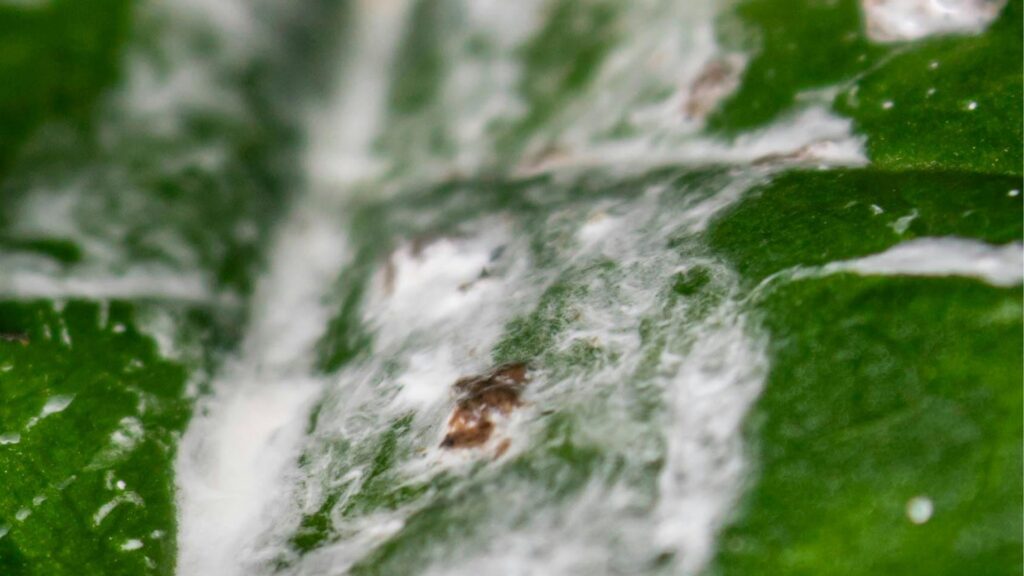
| Spider Mites | Tiny, spider-like pests that create fine webbing on leaves. They thrive in hot, dry conditions and cause yellow speckling on foliage. |
| Caterpillars | Larvae of moths and butterflies, usually green or brown, that feed on leaves. Look for large holes and frass (droppings) on plants. |
| Whiteflies | Small, white, winged insects that fly up in clouds when disturbed. They feed on the undersides of leaves and can cause yellowing. |
| Japanese Beetles | Shiny, metallic green beetles with a coppery shell. They eat leaves, flowers, and fruits, often leaving a skeletonized appearance. |
Identifying Garden Insects
To effectively manage your garden, insect identification is key. Different pests have unique signs that can help you determine their presence. For instance, aphids can leave sticky residues on leaves, while caterpillars often create visible damage, such as large holes in foliage. Furthermore, understanding their life cycles can help you anticipate when they are likely to appear. Consequently, regular monitoring of your plants can lead to early detection of infestations. Additionally, employing traps or sticky cards can assist in identifying the types of pests present in your garden, allowing for a more targeted approach to pest management.
Common Characteristics
Common characteristics of garden pests can aid in their identification. Many insects are attracted to specific plants, making it easier to predict which pests might invade your garden. For example, aphids prefer young, tender growth, while spider mites thrive in dry conditions. Moreover, examining the underside of leaves can reveal hidden pests like whiteflies. By paying attention to these details and utilizing the visual identification guide, you can implement effective garden care tips to keep your plants healthy and thriving. Additionally, understanding the behavior of these pests, such as their feeding habits and preferred environmental conditions, can further enhance your ability to manage them effectively.
Effective Management Strategies
Once you have identified the pests in your garden, the next step is to implement effective management strategies. Integrated Pest Management (IPM) is a holistic approach that combines various techniques, such as biological control, cultural practices, and chemical treatments, to manage pest populations sustainably. For instance, introducing beneficial insects like ladybugs can help control aphid populations naturally. Furthermore, maintaining healthy soil and proper watering practices can strengthen your plants, making them less susceptible to pest damage. By employing these strategies, you can create a balanced ecosystem in your garden, ultimately leading to healthier plants and a more productive growing season.
Frequently Asked Questions
Insect identification can raise many questions among gardeners. For example, how can you differentiate between beneficial and harmful insects? Beneficial insects often have distinct features, such as larger size or different coloration, and they typically do not damage plants. Additionally, gardeners frequently inquire about the best time to apply pest control measures. Timing is crucial; applying treatments during the early stages of an infestation can significantly improve their effectiveness. By addressing these common insect questions, you can enhance your understanding of garden pests and develop a proactive approach to managing them.
Best Practices for Effective Insect Management
Effective insect management is essential for maintaining a healthy garden. By adopting best practices, you can minimize pest problems while promoting a thriving ecosystem. First and foremost, understanding the life cycles and behaviors of pests allows you to implement targeted strategies. For instance, many pests are most vulnerable during specific growth stages, making it a prime time for intervention. Consequently, staying informed about these cycles can help you anticipate and mitigate infestations before they escalate. Moreover, recognizing the environmental factors that contribute to pest outbreaks, such as temperature and humidity, can further enhance your management efforts. By being proactive and informed, you can create a more resilient garden that withstands pest pressures.
Integrated Pest Management
Integrated Pest Management (IPM) is a holistic approach that combines various strategies to control pests effectively. This method emphasizes the use of biological, cultural, and mechanical controls alongside chemical methods only when necessary. For example, you might introduce beneficial insects like ladybugs to prey on aphids, thereby reducing their population naturally. Additionally, rotating crops and using companion planting can disrupt pest life cycles and enhance plant resilience. To illustrate, planting marigolds alongside vulnerable crops can deter nematodes and attract beneficial pollinators. Therefore, employing IPM not only minimizes harm to the environment but also promotes a balanced garden ecosystem. Furthermore, educating yourself about local pest species and their natural predators can empower you to make informed decisions that align with your garden’s unique needs.
Preventive Measures
Prevention is the cornerstone of effective insect management. By implementing proactive measures, you can significantly reduce the likelihood of pest infestations. First, maintaining healthy soil through composting and mulching can strengthen plants, making them less susceptible to pests. Moreover, regular monitoring of your garden allows you to spot early signs of trouble. For instance, inspecting your plants weekly can help you catch insect damage before it becomes severe. Additionally, ensuring proper spacing between plants improves air circulation, reducing the risk of fungal diseases and creating an inhospitable environment for pests.
Furthermore, practicing good sanitation by removing debris and dead plants can eliminate potential breeding grounds. Additionally, you can employ physical barriers like row covers to protect young plants from insect invasion. By following these gardening tips, you create a proactive defense against pests. Moreover, using traps, such as sticky traps for flying insects, can help monitor and control pest populations effectively. For more information on how to manage garden pests effectively, check out our effective strategies for pest management. Adopting these practices will enhance your garden’s health and ensure it flourishes year after year, allowing you to enjoy the fruits of your labor with minimal interference from unwanted pests.
Bringing It All Together: Your Pest Management Action Plan
Ultimately, effective pest management is essential for any gardener looking to protect their plants and ensure a flourishing garden. To summarize, understanding the common garden pests and their behaviors allows you to identify potential threats early. By being proactive and implementing the strategies discussed, you can significantly reduce the impact of these pests on your crops.
Moreover, employing a combination of prevention and control techniques will not only safeguard your garden but also promote a healthier ecosystem. For instance, integrating natural predators, such as ladybugs and lacewings, and practicing crop rotation can prove beneficial in keeping garden pests at bay. Additionally, using organic pest deterrents, like neem oil or insecticidal soap, can help manage infestations without harming beneficial insects. Consequently, this holistic approach to pest control will lead to a more resilient garden, ensuring that your hard work yields abundant rewards.
Therefore, it’s time to take action! Start by assessing your garden for signs of infestations and adopt the necessary measures. Regular monitoring and maintaining healthy soil can also enhance your plants’ resistance to pests. Remember, a little vigilance goes a long way in maintaining your garden’s health. As you continue to learn and adapt your strategies, you’ll find that managing pests becomes a more intuitive part of your gardening journey. Embrace the process, and happy gardening!