Identifying pest damage on plants is essential for maintaining a healthy garden and ensuring the longevity of your greenery. Pests can cause significant harm, leading to stunted growth or even death if not addressed promptly. Therefore, understanding how to recognize the signs of pest infestation is crucial for any gardener. Moreover, being vigilant about identifying pests enables you to take proactive measures before they inflict serious damage.
In this comprehensive guide, we will explore various symptoms of pest damage and the types of pests that commonly affect plants. For instance, you will learn to identify telltale signs such as discoloration, wilting, or unusual spots. Additionally, we will discuss effective strategies for managing and preventing pest issues, thereby ensuring your plants thrive in a healthy environment. With the right knowledge, you can effectively protect your garden from these unwelcome intruders.
Understanding Pest Damage: Symptoms and Signs
Understanding pest damage is vital for effective plant care. By recognizing damage symptoms early, gardeners can take action to prevent further harm. Common signs of pest activity include leaf discoloration, holes in leaves, and sticky residue or webbing. For instance, if you notice yellowing leaves, it may indicate a pest problem, such as aphids or spider mites. Additionally, wilting or stunted growth can signal underlying pest issues that require immediate attention. Therefore, being observant and informed can save your plants from serious threats, allowing them to flourish in a healthy environment.
Common Symptoms of Pest Damage
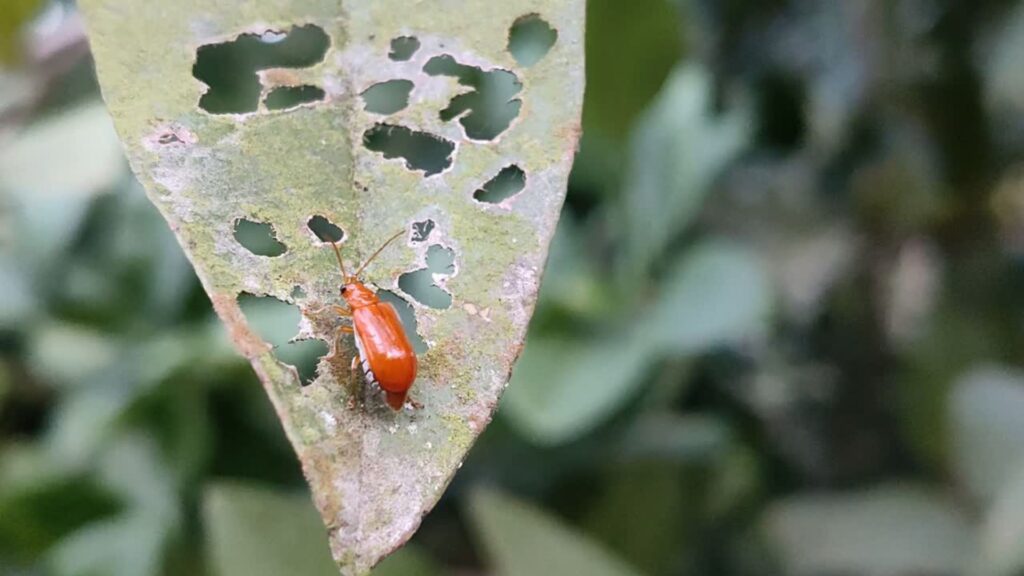
Identifying pest damage symptoms allows gardeners to act quickly and effectively. First, look for physical signs like chewed leaves or frass, which are droppings left by insects. These symptoms can indicate the presence of caterpillars or beetles, which can quickly decimate your plants if left unchecked. Additionally, wilting plants may suggest root damage due to pests like nematodes, which can be particularly insidious as they often go unnoticed until significant damage has occurred. Moreover, spotting webbing on leaves often points to spider mites, which can cause significant harm if not addressed promptly. Keeping an eye on these signs will help you maintain a healthy garden and catch infestations early, thereby minimizing the risk of extensive damage.
Identifying Specific Pest Infestations
Once you recognize damage symptoms, identifying specific pests becomes easier and more systematic. For example, aphids are small, soft-bodied insects often found on new growth, while mealybugs leave a sticky residue and cotton-like masses on plants, which can attract other pests. Conversely, if you observe holes in leaves, you might be dealing with slugs or snails, which are notorious for their destructive feeding habits. Additionally, you can refer to resources like Common Garden Pests: The Ultimate ID & Control Guide for a detailed overview of various pests and their damage. Furthermore, for more guidance on managing these issues, consider identifying pest damage on plants, which offers strategies for prevention and control. Understanding pest identification not only helps you act swiftly but also empowers you to create a thriving garden, ensuring that your plants remain healthy and productive throughout the growing season.
Comparing Pest Damage Symptoms on Different Plants
Understanding how pest damage varies across different plants is essential for maintaining overall plant health. Each plant species can exhibit unique symptoms when affected by pests, making it crucial for gardeners to recognize these differences. By identifying specific symptoms, you can determine the type of pest responsible and implement effective control measures. For example, while some pests may primarily affect the leaves, others might target the stems or roots, leading to distinct signs of damage. Consequently, being knowledgeable about these variations allows for more targeted interventions. The following table provides an overview of common pest damage symptoms across various plants, offering a clear comparison to help you identify and address issues promptly.
| Plant Type | Common Symptoms of Pest Damage |
|---|---|
| Roses | Wilting leaves, holes in petals, black spots |
| Tomatoes | Yellowing leaves, stunted growth, curling foliage |
| Beans | Leaf discoloration, webbing, presence of sticky residue |
| Cucumbers | Powdery mildew, wilting, distorted leaves |
| Potatoes | Brown patches, tuber damage, leaf drop |
Symptoms on Leaves
Pest damage on leaves is often the most visible indicator of an infestation. For example, roses may show wilting leaves and holes in petals due to insects like aphids or spider mites. Similarly, tomatoes can develop yellowing leaves and curling foliage, suggesting the presence of pests such as thrips or whiteflies. Additionally, leaf discoloration can indicate nutrient deficiencies exacerbated by pest activity. Therefore, monitoring leaves closely can help you catch pest issues early and protect your plants. Regular inspections, especially after rainfall or high humidity, can reveal hidden infestations that might otherwise go unnoticed.
Symptoms on Stems and Flowers
The symptoms of pest damage on stems and flowers can vary significantly between plant types. For instance, cucumbers often exhibit distorted leaves and powdery mildew, which can be exacerbated by pests like cucumber beetles. On the other hand, beans may display webbing and sticky residue caused by spider mites. Furthermore, flowers may develop spots or drop prematurely due to pest feeding. Recognizing these symptoms is essential for maintaining plant health and ensuring a bountiful harvest. Timely intervention, such as applying insecticidal soap or introducing beneficial insects, can mitigate damage and promote recovery.
Importance of Early Detection
In conclusion, understanding the various symptoms of pest damage across different plants equips gardeners with the knowledge to identify and manage pest problems effectively. Early detection is crucial, as it allows for prompt action that can prevent further damage and preserve plant vitality. For additional insights, you can refer to the visual guide on garden insects, which will help you further recognize pest types and their impact on your garden. By staying informed and vigilant, you can keep your plants thriving and healthy, ultimately leading to a more productive and enjoyable gardening experience.
Identifying Common Pests: A Step-by-Step Approach
Identifying common pests in your garden is a crucial step in effective garden care. By learning how to inspect plants properly, you can pinpoint pest issues before they escalate. A systematic approach not only aids in pest identification but also equips you with the knowledge to manage infestations effectively. Therefore, developing a keen eye for signs of pest activity is essential for any gardener. In this section, we will outline a step-by-step method to help you identify pests and their damage, ensuring your plants remain healthy and vibrant.
Step 1: Initial Inspection of Plants
Start your pest identification process with an initial inspection of your plants. This involves a visual sweep of your garden or indoor plants, looking for any abnormalities. Specifically, observe leaves, stems, and soil for signs of pests or damage. For instance, check for discoloration, wilting, or sticky residue, which may indicate the presence of pests like aphids or mealybugs. Additionally, examining the undersides of leaves is crucial, as many pests prefer these hidden spots. By conducting this preliminary check, you can quickly identify any areas requiring further scrutiny.
Step 2: Detailed Examination of Suspect Plants
After your initial inspection, it’s time for a detailed examination of the suspect plants. Utilize a magnifying glass to look closely at any unusual marks or spots. For example, small holes in leaves might suggest caterpillars or beetles, while webbing could indicate spider mites. Furthermore, consider the presence of frass, which are tiny droppings left by insects, as a clear sign of pest activity. Moreover, if you suspect a specific pest but are unsure, refer to resources like Identifying Common Garden Pests – Backyard Farming for detailed identification techniques. Consequently, a thorough examination can help you pinpoint the exact pest and determine the best course of action for control and prevention.
By following these steps, you will enhance your pest identification skills, ultimately leading to better garden care. Remember, vigilance is key; the sooner you address pest problems, the healthier your garden will become.
Effective Pest Control Methods After Identification
Effective pest control methods are essential once you’ve identified the presence of pests in your garden. The key to successful garden care lies in choosing the right approach tailored to the specific type of pest you are dealing with. After identification, you can opt for various methods, including natural techniques that are eco-friendly or chemical treatments that offer stronger solutions. Each strategy has its own set of benefits and considerations, which we will explore in detail. Understanding the nuances of these methods can empower you to make informed decisions that not only protect your plants but also contribute to a sustainable gardening practice.
Moreover, the effectiveness of pest control methods often hinges on timing and the specific life cycle of the pests you are targeting. For instance, certain pests may be more vulnerable during their juvenile stages, making it an ideal time to implement control measures. Therefore, being proactive and knowledgeable about your garden’s ecosystem can significantly enhance your pest management efforts.
Natural Pest Control Techniques
Natural pest control techniques can be incredibly effective and are often safer for both plants and the environment. For example, introducing beneficial insects like ladybugs can help control aphid populations naturally, as these insects are voracious predators of aphids. Similarly, using neem oil or insecticidal soap can deter pests without harming beneficial organisms, making them excellent choices for organic gardening. Additionally, planting companion plants can create a more diverse ecosystem that naturally repels unwanted pests. For instance, marigolds are known to deter nematodes and aphids, while basil can repel flies and mosquitoes. Therefore, integrating these methods into your garden care routine can lead to healthier plants while minimizing chemical exposure. To learn more, refer to our top pest prevention strategies.
Chemical Control Options
In some cases, natural methods may not be sufficient to manage severe infestations. Here, chemical control options become necessary. These treatments can range from less toxic insecticides to more potent solutions designed for stubborn pests. However, it’s crucial to use chemical products judiciously to avoid harming beneficial insects and plants. Always read labels and follow application instructions meticulously. For instance, systemic insecticides can be effective against pests like aphids but should be applied with caution. Additionally, timing is critical; applying these treatments during early morning or late afternoon can reduce the risk of harming pollinators, such as bees and butterflies. Consequently, understanding when to switch to chemical treatments can be vital for effective pest control. Furthermore, consider rotating different chemical classes to prevent pests from developing resistance, thereby ensuring long-term efficacy.
By combining natural techniques and chemical options, gardeners can protect their plants while promoting a balanced ecosystem. Remember to assess the situation carefully and choose the method that best fits your garden’s needs. Ultimately, a thoughtful approach to pest control not only safeguards your plants but also contributes to the overall health of your garden environment.
Monitoring Plant Health: Ongoing Vigilance Against Pests
Monitoring plant health is a continuous process that requires diligence and awareness. Regular inspections are key to identifying pests before they escalate into a serious issue. By routinely checking your plants, you can catch early signs of infestation, allowing for timely intervention. This proactive approach not only protects your plants but also enhances their overall health and resilience. For example, a weekly walk through your garden can reveal subtle changes, such as leaf discoloration, unusual growth patterns, or even the presence of small webs, which may indicate the presence of pests. Additionally, being aware of the seasonal changes in pest behavior can further enhance your monitoring efforts, as certain pests are more prevalent during specific times of the year.
Regular Inspection Practices
Establishing a regular inspection routine is critical for effective plant health monitoring. Start by visually scanning your plants for any abnormalities, such as wilting or discolored leaves. Additionally, inspect the undersides of leaves, as pests often hide there. Use a magnifying glass if necessary to identify tiny insects that may be causing damage. Furthermore, keep a journal to track any changes you observe, as this will help you spot trends over time. For example, noticing an increase in leaf damage could prompt you to research potential pest issues or even consult with local gardening experts. By maintaining vigilance through these practices, you create a healthier environment for your plants, ultimately leading to a more vibrant garden.
Signs of Health vs. Infestation
Distinguishing between healthy plants and those infested with pests is crucial for effective intervention. Healthy plants typically exhibit vibrant colors, firm leaves, and consistent growth patterns. Conversely, signs of infestation may include yellowing leaves, stunted growth, or visible pests. Specifically, if you notice sticky residue on leaves or webbing, these are strong indicators of pest activity. As noted by How to spot pest damage on houseplants, identifying these signs early can help prevent significant damage. Therefore, understanding these differences will empower you to act swiftly, safeguarding your plants from further harm. Moreover, educating yourself about the life cycles of common pests can enhance your ability to monitor and respond effectively, ensuring your plants remain healthy and thriving.
Your Action Plan for Plant Health
Ultimately, your action plan for plant health hinges on effective pest identification and proactive care. By recognizing the signs of pest damage—such as discoloration, wilting, and unusual spots—you equip yourself with the knowledge necessary to combat infestations before they escalate. Consequently, being vigilant not only protects your plants but also enhances your gardening experience, allowing you to enjoy the fruits of your labor without the worry of pest-related setbacks.
Furthermore, it is essential to adopt a consistent monitoring routine. Regularly inspecting your plants allows you to catch any issues early, ensuring that pests are dealt with swiftly and efficiently. Additionally, employing preventive strategies—such as introducing beneficial insects like ladybugs or using organic pest control methods—will bolster your garden’s resilience against future infestations. For example, neem oil can be an effective deterrent against various pests while being safe for beneficial insects.
In summary, by prioritizing pest identification and maintaining a proactive approach, you can significantly improve your plant health. Therefore, take the first step today: conduct a thorough inspection of your garden and implement the strategies discussed. With dedication and care, you will foster a thriving environment for your plants. Remember, healthy plants lead to a flourishing garden and a rewarding gardening journey. By investing time and effort into pest management, you not only ensure the vitality of your plants but also contribute to a sustainable ecosystem.